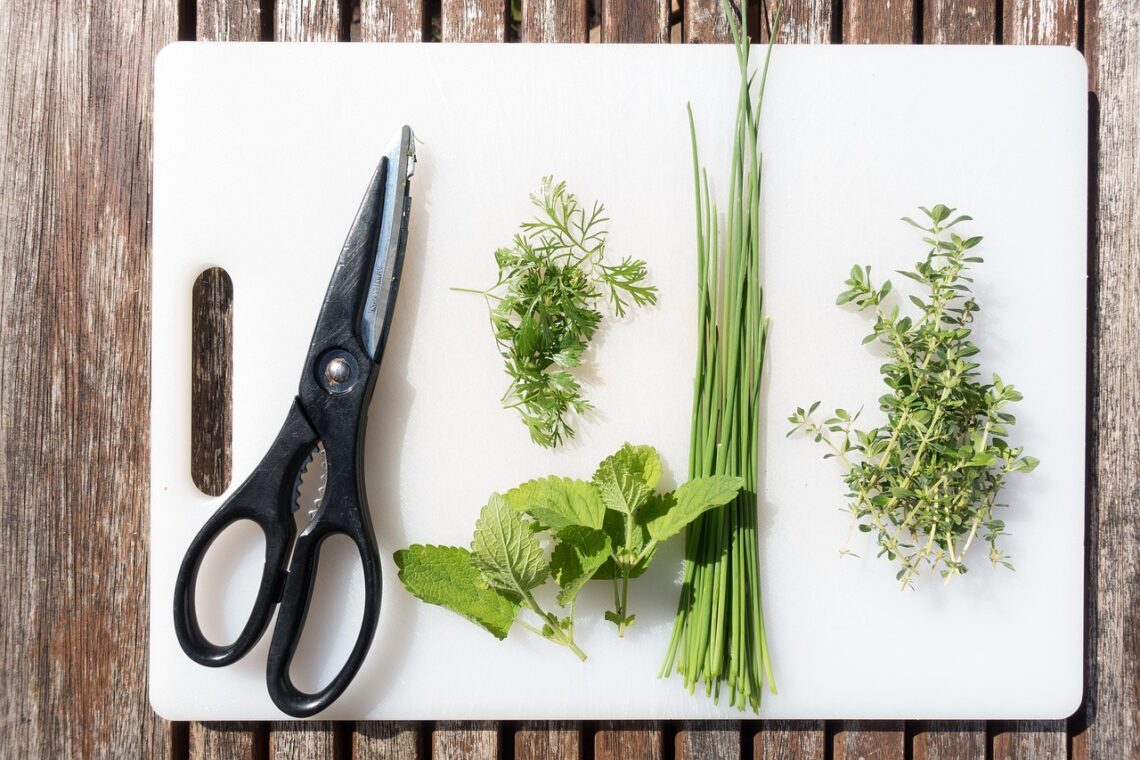
Pruning in the Heat: What You Should and Shouldn’t Do in July
Pruning is an essential part of maintaining a healthy, thriving garden, but when July’s heat is in full swing, it requires a bit more care and consideration. Improper pruning during hot summer days can stress your plants, slow growth, and even make them vulnerable to diseases and pests.
If you want your garden to stay lush and vibrant all summer long, it’s crucial to understand what to prune, when to prune, and how to prune safely during the heat of July. This guide breaks down the do’s and don’ts of summer pruning so you can keep your plants looking their best without unnecessary risk.
Why Pruning in July Requires Extra Caution
July often brings high temperatures, intense sunlight, and dry conditions. These factors can put extra stress on plants, especially those recovering from cuts or trims. When you prune, you’re essentially creating wounds on your plants, and in the heat, these wounds can dry out or become entry points for disease-causing fungi and bacteria.
Key challenges:
- Heat stress: Cuts can increase water loss through exposed tissues.
- Sunscald: Fresh cuts can scorch under direct sun.
- Slow healing: High heat can slow down the plant’s natural healing process.
What You Should Do When Pruning in July
1. Prune Early or Late in the Day
Avoid the midday sun. The best time to prune is either in the early morning or late afternoon/evening when temperatures are cooler and the sun isn’t as intense. This helps reduce stress on your plants and gives wounds a better chance to heal.
2. Focus on Dead or Diseased Branches
July pruning should mostly be about cleanup—removing dead, damaged, or diseased wood. This not only improves plant health but also helps prevent pests and pathogens from taking hold. Use sharp, clean tools to make clean cuts that heal quickly.
3. Prune Lightly
Heavy pruning in the heat can shock your plants. Instead of aggressive shaping or cutting back large portions, opt for light pruning to maintain airflow and remove any problem areas. Save major pruning jobs for early spring or late fall.
4. Hydrate Your Plants Well Before and After Pruning
Ensure your garden is well watered before you start pruning. Freshly cut plants lose moisture quickly, so adequate soil moisture helps reduce stress and encourages healing.
5. Use Proper Pruning Techniques
Make clean cuts at a 45-degree angle just above a bud or lateral branch. This encourages healthy new growth and helps water run off instead of collecting on the cut surface, reducing disease risk.
What You Shouldn’t Do When Pruning in July
1. Don’t Prune During Peak Heat Hours
Avoid pruning during the hottest part of the day, typically from 10 AM to 4 PM. Pruning in intense heat can lead to plant dehydration and sunscald on exposed branches.
2. Don’t Over-Prune
Removing too much foliage can reduce a plant’s ability to photosynthesize, weakening it during a time when energy conservation is critical. Over-pruning also exposes more surface area to sun and pests.
3. Don’t Prune Fast-Growing or Blooming Plants
Avoid pruning plants that are actively blooming or rapidly growing in July. Cutting these back can stunt their development or reduce flower production.
4. Don’t Ignore Tool Hygiene
Using dirty or dull tools can spread disease from plant to plant. Always sterilize your pruning shears between cuts, especially when working with diseased branches.
Special Considerations for Common Garden Plants
- Roses: Deadhead spent blooms to encourage more flowers, but avoid heavy pruning.
- Perennials: Trim back faded flowers lightly to tidy up, but avoid cutting into woody stems.
- Trees and Shrubs: Focus on removing dead or crossing branches; save heavy shaping for dormant seasons.
- Vegetables: Remove yellow or diseased leaves, but don’t cut back vigorous growth too much.
Extra Tips to Protect Your Garden After Pruning
- Apply a light layer of mulch around plants to retain soil moisture and keep roots cool.
- Shade young or newly pruned plants with temporary shade cloths or umbrellas if you expect extreme heat.
- Monitor plants daily for signs of stress such as wilting or browning leaves and adjust watering accordingly.
Final Thoughts
Pruning in July doesn’t have to be a gamble. By timing your cuts wisely, focusing on plant health, and avoiding heavy trimming, you can keep your garden in great shape through the heat of summer. Remember, the goal is to support your plants—not stress them out during their most vulnerable season.
With these smart summer pruning tips, your garden will stay strong, healthy, and ready to burst with fall growth once the heat subsides.

