-
Why Grazing Efficiency Drops Even When Grass Looks Abundant in Summer
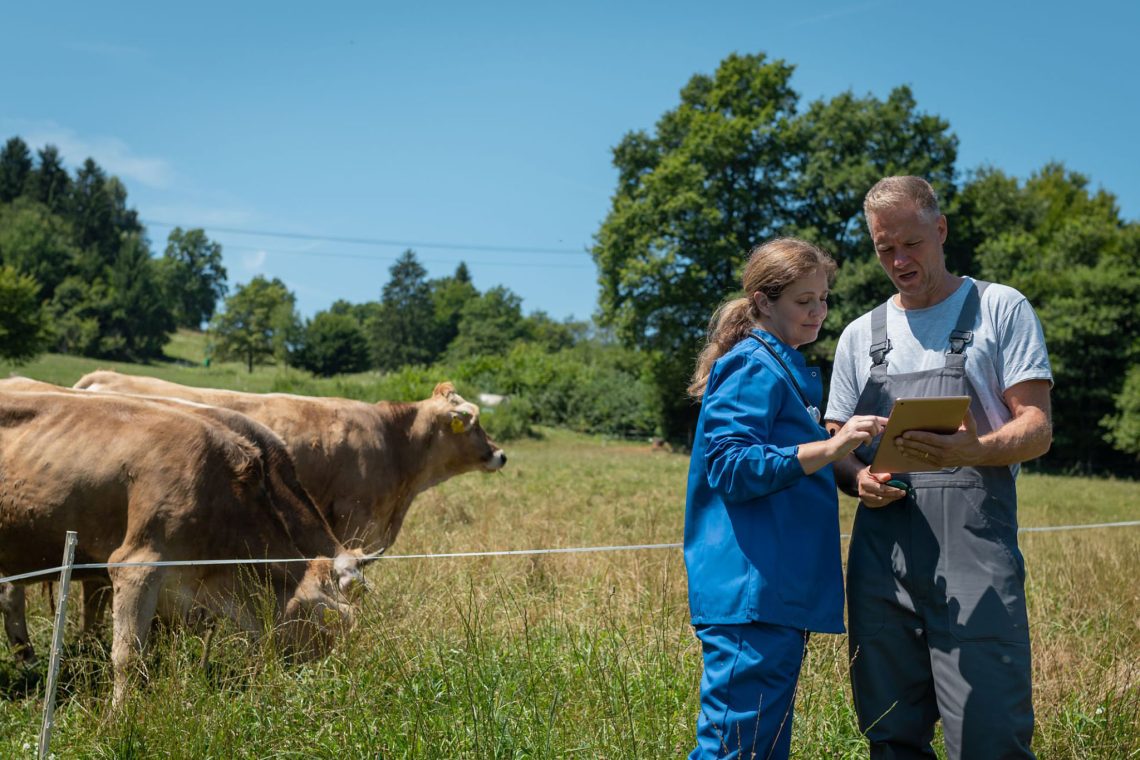
In many U.S. ranching operations, summer creates a frustrating paradox: pastures look green, tall, and full of forage, yet livestock performance drops and grazing efficiency declines. Cattle may spend more time resting, weight gain slows, and intake becomes inconsistent—despite what appears to be “plenty of grass.” This disconnect is one of the most misunderstood issues in seasonal ranch management. The key point is simple but often overlooked: visible pasture abundance does not equal usable forage efficiency. To understand why grazing efficiency drops in summer, you have to look beyond grass quantity and focus on plant physiology, heat stress, animal behavior, and pasture structure. 1. Summer Grass Looks Productive, But Nutritional…
You May Also Like

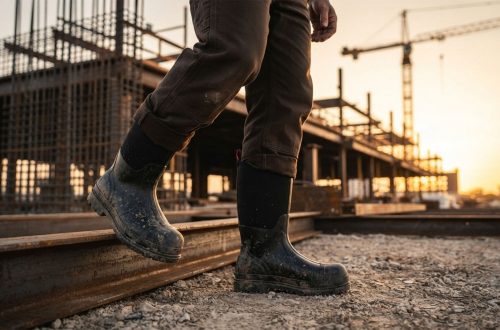
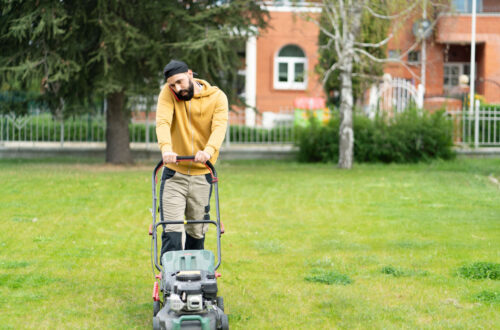
Best Boots for Golf Course Groundskeeping: Waterproof Footwear for Wet Grass, Irrigation, Mud, and Long Maintenance Shifts

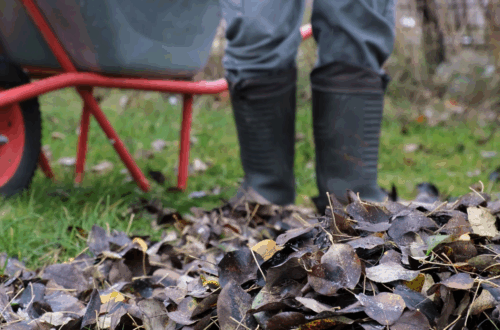
Best Waterproof Boots for Landscaping and Grounds Maintenance
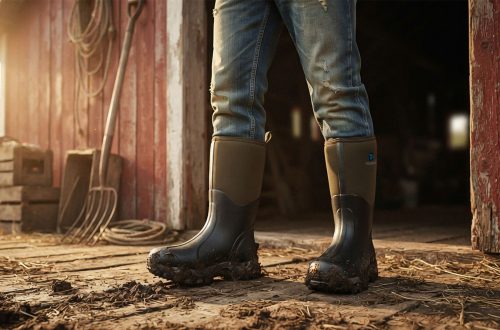
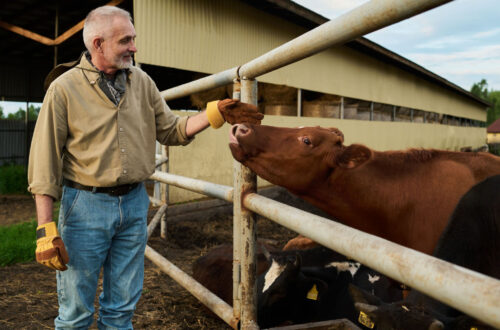
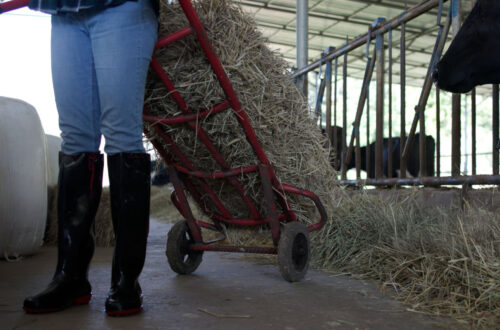
Best Boots for Dairy Farm Work: Waterproof Footwear for Milking Parlors, Wet Concrete, Manure, and Muddy Barnyards
-
How to Prevent Pasture Burnout During Peak Summer Heat Stress
Across many ranches in the United States, summer is the most productive-looking season—but also one of the most damaging for long-term pasture health. At first glance, grass appears abundant and green, and livestock seem to have plenty to graze. But beneath the surface, peak summer heat stress quietly weakens pasture systems, leading to slower regrowth, declining forage quality, and long-term productivity loss. This phenomenon is often referred to as pasture burnout—a gradual breakdown of grass resilience caused by heat, overgrazing pressure, and soil stress. Preventing it requires more than watering or rotating animals. It requires a system-based approach that manages heat, rest cycles, and soil recovery together. What Is Pasture…
-
The Hidden Impact of Soil Temperature on Summer Plant Performance
When summer heat arrives across the United States, most gardeners focus on what they can see above the soil: wilting leaves, slowed growth, or reduced flowering. Watering schedules get adjusted, shade cloth goes up, and fertilizers are applied more frequently. But one of the most important factors influencing plant performance in summer is something largely invisible: soil temperature. While air temperature gets most of the attention, soil temperature quietly determines how efficiently plants absorb nutrients, develop roots, and sustain growth during extreme heat. If the soil is too hot, even well-watered and well-fertilized gardens can struggle. Understanding soil temperature is the missing piece in building a truly resilient summer garden…
-
Heat-Tolerant Gardening: How to Build a Resilient Summer Growing System
As summer heat intensifies across the United States, many home gardeners run into the same frustrating pattern: plants that were thriving in spring suddenly slow down, wilt during the day, drop flowers, or stop producing altogether. Even with regular watering, the garden seems to struggle as temperatures climb. The problem isn’t just heat—it’s the lack of a heat-tolerant gardening system designed to handle sustained high temperatures. A resilient summer garden doesn’t rely on luck or occasional watering adjustments. It is built on structure, timing, soil behavior, and microclimate control. Once these systems are in place, your garden can continue producing even through prolonged heat waves. Why Traditional Garden Methods Fail…
-
Managing Water Access Points When Temperatures Rise Across the Ranch
As summer temperatures rise across the United States, water management becomes one of the most critical—and often underestimated—aspects of ranch operations. While pastures may still look adequate and livestock appear active, water access points quietly become the central factor shaping animal movement, grazing efficiency, and overall herd performance. In hot conditions, water is no longer just a resource. It becomes a behavioral driver, influencing where livestock go, how long they graze, and how evenly they use available forage. Understanding how to manage water access points effectively can make the difference between a balanced, productive ranch and one struggling with uneven grazing, heat stress, and reduced weight gain. Why Water Becomes…
-
Why Livestock Gain Slows Down Even When Pasture Looks Healthy in Summer
During early to mid-summer, many ranchers across the United States notice something confusing: pastures still look green, dense, and healthy, yet livestock weight gain starts to slow down. On the surface, everything appears normal. But under the surface—both in the grass and in animal physiology—important changes are happening. The issue is rarely obvious. It’s not just about how the pasture looks, but about forage quality, heat stress, grazing behavior, and nutrient efficiency all shifting at the same time. Understanding these hidden factors is key to maintaining consistent livestock performance through the summer months. The Illusion of a “Healthy-Looking” Pasture One of the biggest misconceptions in ranch management is assuming that…
-
How to Build a Heat-Resilient Garden That Keeps Producing All Summer
When summer heat settles in across the United States, many gardens hit a wall. Plants that were thriving in spring start slowing down, yields drop, and some crops stop producing altogether. But a heat-resilient garden doesn’t just survive summer—it continues producing consistently through it. The difference isn’t luck or climate. It’s design, soil strategy, and heat-adapted management. If you want a garden that stays productive all summer long, you need to think beyond planting and watering. You need to build a system that works with heat, not against it. What Makes a Garden “Heat-Resilient”? A heat-resilient garden is one that maintains: Key Insight: It’s not about eliminating heat stress completely—it’s…
-
How to Keep Your Garden Productive When Heat Stress Starts Taking Over
When early summer shifts into sustained heat across the United States, many home gardeners notice a familiar problem: plants that were thriving suddenly slow down, stop producing, or start looking stressed. Tomatoes flower less, leafy greens bolt, and fruiting plants struggle to keep up with demand. This is heat stress, and once it takes over, garden productivity can drop fast. But the key isn’t to fight the heat—it’s to adjust your gardening strategy so your plants can keep producing under pressure. What Heat Stress Actually Does to Your Garden Heat stress isn’t just about wilting leaves. It affects your garden on multiple levels. 1. Reduced Photosynthesis Efficiency When temperatures rise:…
-
Early Summer Garden Check: What to Fix Before Problems Spread
Early summer is a turning point for home gardens across the United States. What looked strong and vibrant in late spring can quickly shift under rising temperatures, faster growth, and increasing pest pressure. Small issues—barely noticeable at first—can spread fast and impact your entire garden if left unchecked. That’s why a targeted early summer garden check is one of the smartest moves you can make. It’s not about starting over—it’s about making the right adjustments at the right time. Why an Early Summer Garden Check Matters As the season transitions: Key Insight: Problems that start small in early summer often become major issues by mid-season. A simple check now can…
-
How to Keep Your Garden Thriving When Early Summer Heat Hits Hard
Early summer is when many American gardens either surge—or start to struggle. After the steady growth of spring, rising temperatures, stronger sunlight, and faster soil moisture loss can quickly stress plants. Leaves wilt, growth slows, and productivity drops seemingly overnight. The good news? Heat doesn’t have to damage your garden. With the right strategies, you can not only protect your plants—but help them thrive under pressure. Why Early Summer Heat Is So Challenging Before fixing the problem, it’s important to understand what’s happening beneath the surface. 1. Rapid Moisture Loss Higher temperatures and longer daylight hours cause: 2. Soil Temperature Spikes Hot soil can: 3. Plant Stress Response When heat…