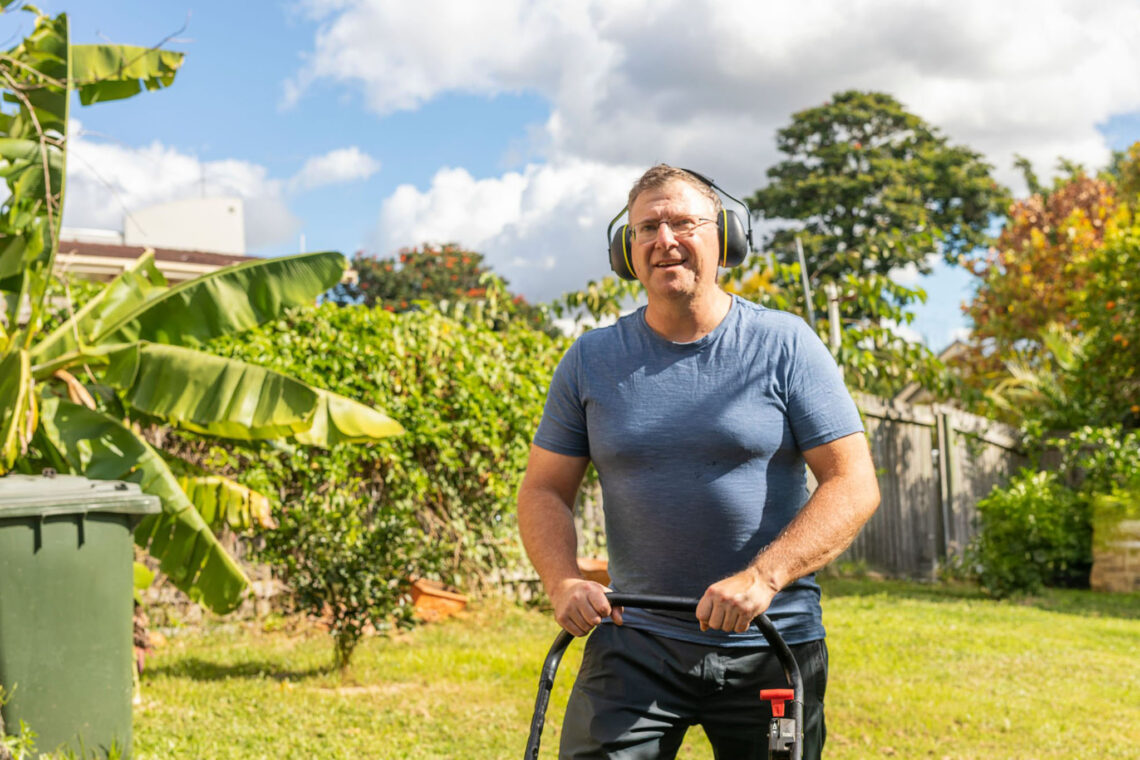
How to Keep Your Garden Thriving When Early Summer Heat Hits Hard
Early summer is when many American gardens either surge—or start to struggle. After the steady growth of spring, rising temperatures, stronger sunlight, and faster soil moisture loss can quickly stress plants. Leaves wilt, growth slows, and productivity drops seemingly overnight.
The good news? Heat doesn’t have to damage your garden. With the right strategies, you can not only protect your plants—but help them thrive under pressure.
Why Early Summer Heat Is So Challenging
Before fixing the problem, it’s important to understand what’s happening beneath the surface.
1. Rapid Moisture Loss
Higher temperatures and longer daylight hours cause:
- Faster evaporation from soil
- Increased plant transpiration
- Reduced water availability at the root level
2. Soil Temperature Spikes
Hot soil can:
- Damage fine root systems
- Reduce nutrient uptake
- Slow overall plant development
3. Plant Stress Response
When heat intensifies:
- Plants conserve energy
- Growth slows or pauses
- Flowering and fruiting may decline
Key Insight: Heat stress isn’t always visible immediately—but it impacts plant performance quickly.
Step 1: Water Deeply and Strategically
One of the most common mistakes is watering too frequently—but not deeply enough.
Best Practices:
- Water early in the morning (before 9 AM)
- Soak soil 6–8 inches deep
- Water less often, but more thoroughly
Why It Works:
- Encourages deep root growth
- Improves drought resistance
- Reduces surface evaporation
Avoid: Light daily watering—it creates shallow, weak roots.
Step 2: Use Mulch to Stabilize Soil Conditions
Mulch is one of the most powerful tools in hot weather gardening.
Benefits:
- Reduces soil temperature
- Retains moisture
- Prevents rapid evaporation
- Suppresses weeds
Best Materials:
- Straw
- Wood chips
- Shredded leaves
- Grass clippings (thin layers only)
Apply 2–3 inches around plants, keeping space around stems to prevent rot.
Step 3: Protect Plants from Intense Sunlight
Not all plants handle direct sun equally, especially during heat waves.
Simple Shade Strategies:
- Shade cloth (30–50% coverage)
- Garden fabric
- Temporary structures using stakes
Natural Shade:
- Taller plants shading smaller ones
- Strategic planting near fences or structures
Key Insight: Even a few hours of midday shade can significantly reduce stress.
Step 4: Adjust Your Feeding Strategy
Rapid growth in early summer increases nutrient demand—but heat can reduce nutrient uptake.
Tips:
- Use balanced, slow-release fertilizers
- Avoid heavy feeding during extreme heat
- Apply nutrients during cooler parts of the day
Watch for Signs of Deficiency:
- Yellowing leaves
- Stunted growth
- Poor fruit development
Step 5: Improve Soil Health for Heat Resilience
Healthy soil holds water better and supports stronger root systems.
Focus on:
- Adding compost regularly
- Increasing organic matter
- Improving soil structure
Benefits:
- Better moisture retention
- Improved nutrient availability
- Stronger plant resilience
Step 6: Choose Heat-Tolerant Plant Varieties
Some plants naturally handle heat better than others.
Heat-Resilient Crops:
- Tomatoes
- Peppers
- Okra
- Sweet potatoes
- Eggplant
More Sensitive Crops:
- Lettuce
- Spinach
- Broccoli
Adjust planting choices based on seasonal conditions.
Step 7: Manage Container Plants Carefully
Container gardens are especially vulnerable to heat:
- Soil dries out faster
- Roots heat up more quickly
- Nutrients leach out faster
Solutions:
- Water more frequently (sometimes daily)
- Use larger containers for better insulation
- Move pots to partial shade during peak heat
- Use high-quality potting mix with moisture retention
Step 8: Watch for Heat Stress Signs Early
Early detection prevents major damage.
Common Warning Signs:
- Wilting despite moist soil
- Leaf curling or browning edges
- Blossom drop (especially in tomatoes and peppers)
- Slowed or halted growth
When you see these:
- Increase watering depth
- Add shade
- Reduce stress immediately
Step 9: Adjust Your Gardening Schedule
Timing matters more in hot weather.
Best Times for Garden Work:
- Early morning
- Late evening
Avoid:
- Midday watering (high evaporation)
- Pruning during peak heat
- Transplanting in hot conditions
Step 10: Maintain Consistency
Plants handle heat better when conditions are stable.
Avoid:
- Irregular watering
- Sudden nutrient changes
- Frequent disturbance
Key Insight: Consistency reduces stress more than any single action.
Common Mistakes to Avoid
1. Overwatering shallowly
Leads to weak root systems.
2. Ignoring soil temperature
Hot soil can damage plants even when watered.
3. Fertilizing too aggressively in heat
Can burn roots and worsen stress.
4. Waiting too long to respond to stress signs
Early action is critical.
Final Thoughts
Early summer heat is not the end of a productive garden—it’s a turning point. The strategies that worked in spring need to evolve as temperatures rise and plant demands change.
By focusing on deep watering, soil protection, shade management, and consistent care, you can help your garden not just survive—but thrive through the hottest part of the season.
Because in gardening, success isn’t about avoiding heat—
it’s about learning how to grow stronger in it.


You May Also Like
Why More Homesteaders and Garden Growers Are Switching to Waterproof Rain Boots for Everyday Outdoor Work
The Grip Guide: Which Trudave Rain Boot Outsole Is Right for Your Terrain?