- Uncategorized
New USDA Rules on Country of Origin Labeling: What You Need to Know
In a world increasingly concerned with food transparency, the United States Department of Agriculture (USDA) has introduced new rules regarding Country of Origin Labeling (COOL). The goal is to provide consumers with clearer, more detailed information about where the food they purchase comes from, ensuring that U.S. shoppers can make more informed choices when it comes to supporting domestic farmers, understanding the supply chain, and addressing food safety concerns. As these rules are put into action, it’s important for consumers, farmers, and industry stakeholders to understand the implications, changes, and potential impact of these updated regulations. What is Country of Origin Labeling (COOL)? Country of Origin Labeling (COOL) refers to…
- Uncategorized
Regenerative Agriculture: Our Path Forward
In recent years, a new wave of sustainable farming practices has been gaining traction—one that goes beyond merely minimizing harm to the environment and focuses on regenerating the soil, ecosystems, and communities. This movement, known as regenerative agriculture, holds the potential to reshape the future of farming, improve food security, and combat climate change. But what exactly is regenerative agriculture, and why is it seen as the path forward for our agricultural systems? What is Regenerative Agriculture? Regenerative agriculture refers to a holistic approach to farming and land management that seeks to restore and enhance the health and biodiversity of the soil, ecosystems, and communities. Unlike conventional agriculture, which often…
- Uncategorized
Essential Gear for Gardeners: The Best Rain Boots for All-Weather Gardening
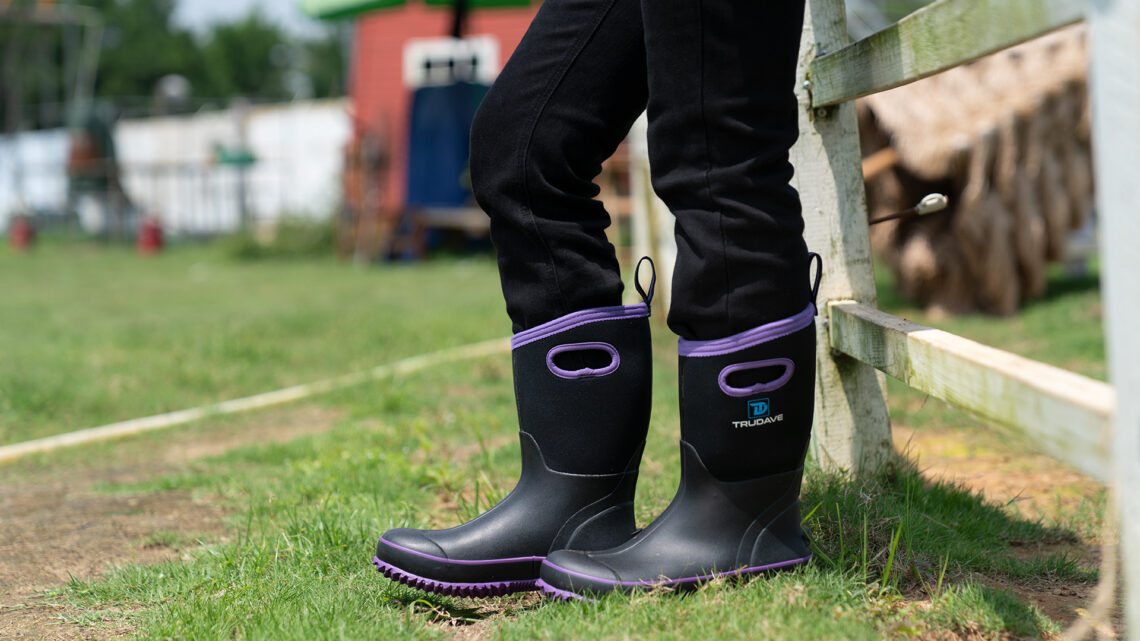
Gardening is a year-round passion, and any seasoned gardener knows that the weather can be unpredictable. Whether you’re planting in the spring, weeding in the summer, or preparing your garden for fall, one thing is for certain: you need durable, comfortable, and waterproof footwear. Rain boots are a must-have for any gardener, providing essential protection against mud, puddles, and wet soil while allowing you to work efficiently, even in soggy conditions. If you want to keep your feet dry and comfortable while working in your garden, choosing the right pair of rain boots can make all the difference. In this article, we’ll dive into the benefits of high-quality rain boots…
- Uncategorized
Grow Light Strength Recommendations by Plant: Finding the Perfect Light for Your Garden
Whether you’re an indoor gardener looking to cultivate houseplants, an herb enthusiast, or someone growing vegetables indoors, selecting the right grow light strength is crucial for plant health and successful growth. Each plant species has unique light requirements, and understanding the specific needs of each can help you provide the best growing environment. In this guide, we’ll explore how to determine the appropriate grow light strength for various types of plants and how to adjust lighting based on your plant’s specific needs. Understanding Grow Light Strength Before diving into specific plant needs, it’s important to grasp the concept of “grow light strength.” Light strength is typically measured in two ways:…
- Uncategorized
The Greener Choice: How Pasture-Raised Farming Benefits Health and the Environment
In an era where sustainability and conscious consumerism are at the forefront of many people’s minds, the agricultural practices that supply our food are being scrutinized more than ever. Among these, pasture-raised farming is gaining recognition for its myriad benefits to both human health and the environment. Unlike traditional factory farming, pasture-raised systems emphasize natural, ethical, and sustainable practices, offering a greener alternative that aligns with the needs of the planet and the well-being of its inhabitants. But what exactly does “pasture-raised” mean, and how does it compare to conventional farming methods? In this article, we’ll delve into the specific advantages of pasture-raised farming, exploring its positive impact on human…
- Uncategorized
Reforesting the Home Place: Row Crops, Regenerative Grazing, and Timber Carbon
As the world grapples with the challenges of climate change, environmental degradation, and the loss of biodiversity, many landowners are turning to sustainable practices to restore their properties and improve land health. A growing movement focuses on the integration of row crops, regenerative grazing, and timber management as a holistic approach to reforesting rural homesteads and farmlands. By combining these agricultural systems, landowners can promote biodiversity, sequester carbon, and enhance the long-term productivity of their properties. This article explores how the integration of row crops, regenerative grazing, and timber carbon practices can support a sustainable and thriving home place. The Importance of Reforestation and Land Stewardship Reforestation, or the process…
- Uncategorized
Save Plants: February 2025 Newsletter
As winter begins to take hold and the first signs of spring feel a little distant, February is a crucial time for gardeners and plant lovers to start preparing for the upcoming growing season. In this month’s newsletter, we’ll be focusing on how to save plants during the colder months, ensuring that they thrive when the weather warms up. From protecting tender perennials to starting seeds indoors, now is the time to make sure your plants are ready for the growing season. Protecting Your Plants in Winter: The Basics Even though plants are generally in dormancy during the colder months, there are still steps you can take to ensure their…
- Uncategorized
What Does “Grass Fed” or “Grass Finished” Mean?
In recent years, there has been an increasing demand for meat products that are not only healthy but also ethically produced. Among the various labels you might encounter at the butcher’s counter or on a menu, terms like “grass fed” and “grass finished” are some of the most popular. But what do these terms really mean? And how do they affect the quality of the meat you eat? In this article, we’ll dive deep into the definitions of “grass fed” and “grass finished,” explore the differences, and explain why these labels matter to consumers in 2025. Understanding Grass Fed vs. Grass Finished First, let’s define the key terms, as they’re…
- Uncategorized
Methane from Grassfed vs Grain-fed Cattle: Understanding the Environmental Impact
The debate over the environmental impact of livestock farming has grown in recent years, particularly with regards to methane emissions. Methane, a potent greenhouse gas, is a byproduct of cattle digestion, and as awareness of climate change intensifies, understanding the sources of methane has become more important. While both grassfed and grain-fed cattle produce methane, the quantity and overall environmental implications differ significantly between the two farming systems. This article will explore the factors that contribute to methane emissions from both grassfed and grain-fed cattle and what this means for the environment and sustainability in agriculture. The Basics of Methane Emissions in Cattle Methane is produced during the digestion process…
- Uncategorized
Same Pasture, More Grass: Boost Grass Production and Grazable Acres with Mesquite Control
Mesquite trees are a prevalent invasive species that have spread across the rangelands of the Southwest United States, particularly in areas that experience semi-arid climates. While mesquite trees may appear to be an inconspicuous part of the landscape, their rapid spread and dense growth can drastically reduce the productivity of rangelands. For landowners and ranchers, mesquite control is a necessary management practice to restore forage production, maintain grazing capacity, and support biodiversity on the land. Mesquite’s Impact on Forage Production Mesquite trees thrive in the Southwest’s harsh conditions and can quickly dominate vast stretches of land. As these trees proliferate, they shade out desirable grasses and forbs that are essential…