-
Morning Ranch Routines That Save Hours and Cut Feed Costs in Half
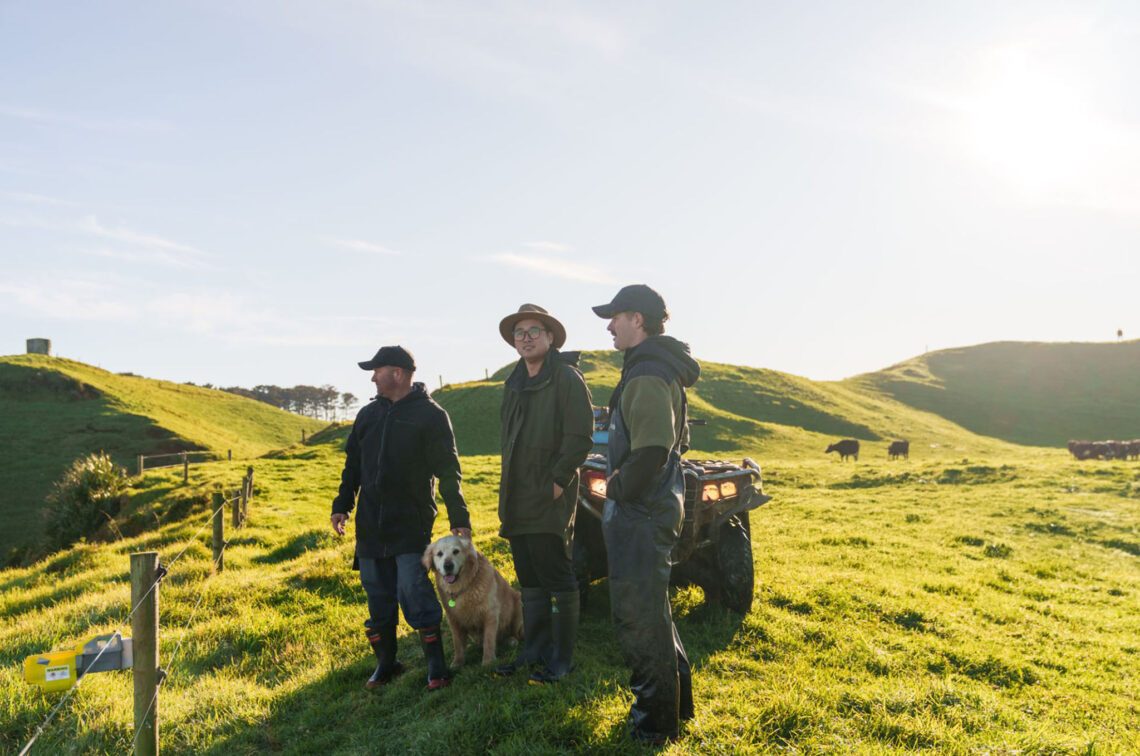
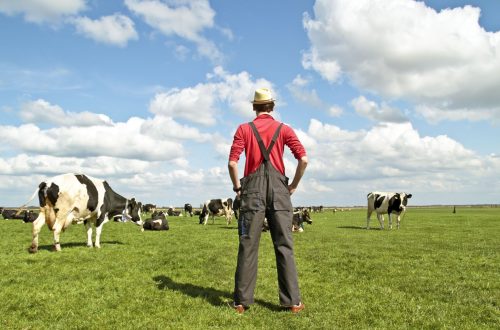
On a busy ranch, a good morning routine is worth more than any piece of equipment. The most efficient American homesteads—whether five acres or five hundred—run on systems that front-load daily tasks, reduce wasted feed, and keep animals healthier while saving hours of labor every week. If feed costs are climbing and mornings feel chaotic, the problem isn’t your animals—it’s your routine. Here’s how the most productive ranchers start their day to maximize efficiency, protect their livestock, and cut feed expenses by 30–50% without sacrificing performance. 1. Start With a Quick Pasture Assessment Before Touching Any Feed Efficient ranchers don’t begin the day by feeding—they begin by evaluating what’s already…
-
Small Ranch, Big Output: Productivity Systems Used by America’s Most Efficient Homesteads
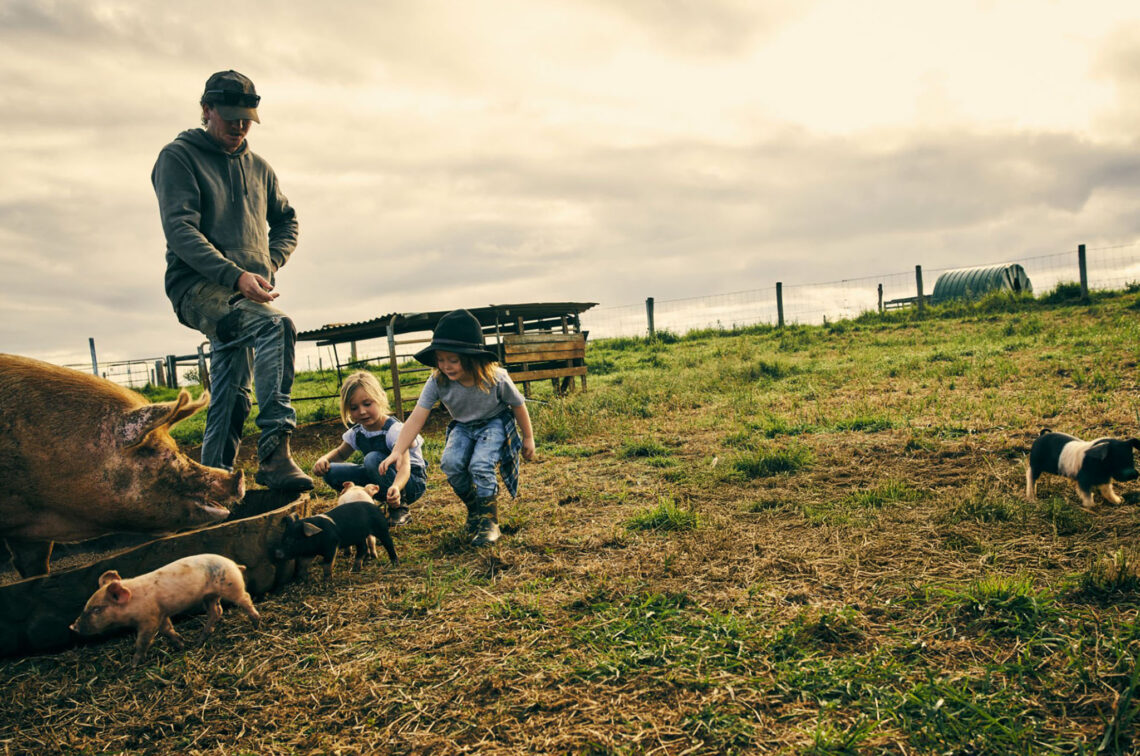
A small ranch doesn’t have to mean small results. Across the country, homesteaders with just a few acres are proving that efficiency, planning, and smart systems often outperform sheer land size. These ranches raise more livestock per acre, grow more feed on limited ground, and reduce wasted labor—all by adopting methods designed to maximize output without burning out the rancher. Whether you run a compact cattle operation, a mixed livestock setup, or a diversified homestead, the systems below are the backbone of America’s most productive small ranches. You don’t need more land—just better processes. 1. Rotational Grazing: The Ultimate Efficiency Engine Large ranches often rely on continuous grazing, but small…
-
How to Grow More Food in Less Space: Smart Layout Tricks Every Gardener Should Steal
For many gardeners, space is the biggest limitation—not time, not soil, not energy. Whether you’re working with a suburban backyard, a tight side yard, or a compact homestead plot, the challenge is always the same:How do you grow more food when your space refuses to grow with you? The good news? A small garden can produce huge harvests if you design it with intention. With smart layouts, vertical layers, strategic companion planting, and a few efficiency hacks, you can double—or even triple—your yield without expanding your footprint. Here are the layout strategies seasoned growers swear by and every gardener should steal. 1. Go Vertical: Create Layers Instead of Rows In…
-
The Backyard Microclimate Hack That Turns Weak Gardens Into Powerhouses
Most gardeners blame poor soil, a lack of fertilizer, or the wrong seeds when their garden underperforms. But experienced growers—the ones who always seem to produce bigger tomatoes, richer greens, and unstoppable yields—know the truth: Microclimates make or break a backyard garden. A single yard can contain five, ten, even fifteen microclimates, each with its own temperature, wind pattern, moisture level, and sunlight intensity. Tapping into these hidden zones is the fastest, most reliable way to transform a struggling garden into a high-output powerhouse. This guide breaks down what microclimates are, how to find them, and the simple hack that turns them into a garden-boosting advantage. What Exactly Is a…
-
Hay Quality Check: Avoiding Mold and Loss in Subzero Storage
Storing hay through the winter may seem easy—bales stacked, barn doors closed, temperatures freezing—but subzero weather brings its own set of challenges. Many ranchers assume the cold naturally preserves hay, yet winter storage mistakes can still lead to mold growth, nutrient loss, and wasted feed long before spring arrives. Keeping hay safe in freezing conditions takes strategy, routine inspection, and an understanding of how cold weather interacts with moisture, airflow, and bale composition. By taking the right steps early, cattle producers can reduce spoilage, protect feed value, and ensure their herd gets clean, nutrient-rich forage all winter long. Why Hay Still Spoils in Subzero Temperatures It’s a common misconception that…
You May Also Like
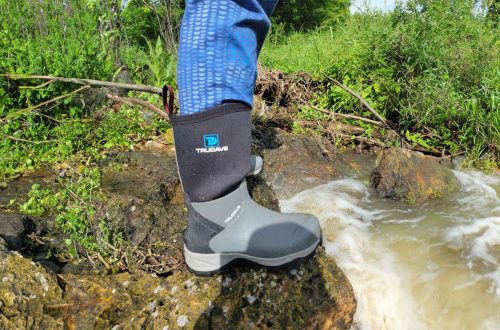
Best Boots for Blueberry Farm Work: Waterproof Footwear for Wet Grass, Muddy Rows, and Long Harvest Days
Best Boots for Fish Farm Work: Waterproof Footwear for Hatcheries, Wet Concrete, Muddy Pond Banks, and Aquaculture
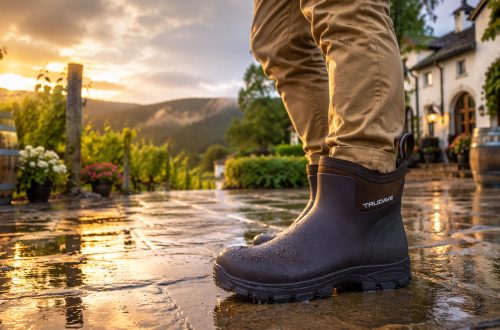
Best Boots for Horse Barn Work: A Practical Guide for Stalls, Paddocks, and Long Days at the Stable
-
Frost-Safe Feeding: How to Keep Cattle Healthy When Grass Is Gone
When winter locks down the pasture and frost turns grass into crunchy, useless stubble, cattle producers face one of their toughest seasonal challenges: keeping the herd healthy, well-fed, and productive. Once natural forage disappears, ranchers must shift into a strategic winter-feeding plan that protects body condition, maintains immune strength, and supports safe weight gain through the coldest months of the year. Whether you run a small homestead herd or manage hundreds of beef cattle across a large spread, understanding the principles of frost-safe feeding can be the difference between smooth overwintering and costly health setbacks. Why Winter Feeding Matters More Than You Think Cold weather dramatically increases a cow’s energy…
-
December Soil Secrets: Prepping Beds for an Early Spring Advantage
December may feel like the end of the gardening season, but for growers, homesteaders, and ranch-side gardeners across the U.S., it’s actually the starting line for a strong spring. While the soil rests on the surface, a lot is happening underneath—microbial shifts, moisture changes, and temperature swings that influence how well your garden performs next year.Preparing your beds now gives you a head start the moment warm weather returns. Below are the essential December soil strategies that create healthier beds, stronger plants, and a noticeable springtime advantage. Why December Is the Real Soil-Building Month Winter soil looks frozen and lifeless, but it’s anything but dormant. Even in the coldest regions:…
-
Frost-Guard Foliage: Protecting Perennials Through January Blasts
January is notorious for its bitter cold, high winds, and unpredictable weather swings. For gardeners and landscape enthusiasts in the United States, this month can pose a serious threat to perennials, which are the backbone of any long-lasting garden. Protecting these plants during deep winter blasts is not just about survival—it’s about ensuring vibrant growth when spring finally arrives. Understanding Winter Stress on Perennials Perennials, unlike annuals, must survive year after year. However, sub-zero temperatures, frost, and desiccating winds can damage foliage and roots. Common winter stressors include: Knowing these threats helps gardeners implement the most effective protective strategies. Strategies for Protecting Perennials in January 1. Mulching for Insulation A…
-
Hay Storage Mistakes That Cost Farmers Thousands Every Winter
Hay is one of the most expensive inputs on any farm or ranch—whether you raise cattle, horses, goats, or sheep. And yet, every winter, farmers across the country watch thousands of dollars’ worth of hay disappear into mold, moisture damage, spoilage, or poor storage decisions. What most don’t realize is that hay losses are rarely accidental. They’re almost always the result of avoidable storage mistakes, many of which have simple—often cheap—fixes. If you’re seeing bales turn black on one side, watching your stacks collapse midseason, or noticing your herd wasting more hay than they eat, it’s time to take a hard look at how you’re storing your forage. Here are…
-
Shelter Placement Secrets: How to Keep Wind Chill From Draining Your Herd
Winter is tough on livestock—tougher than many new ranchers realize. While deep cold is one challenge, wind chill is the real energy thief. A 25°F day can feel like 0°F when a north wind is ripping across an open pasture, and that temperature drop affects animals the same way it affects humans: they burn more calories just to stay warm. For cattle, goats, sheep, and horses, unnecessary exposure to wind chill increases feed costs, slows weight gain, and weakens immune systems. For pregnant livestock or young animals, it can even turn dangerous. But here’s the good news: you can dramatically reduce winter stress on your herd simply by placing shelters…