From Garden to Pantry: Preserving Your Fall Harvest
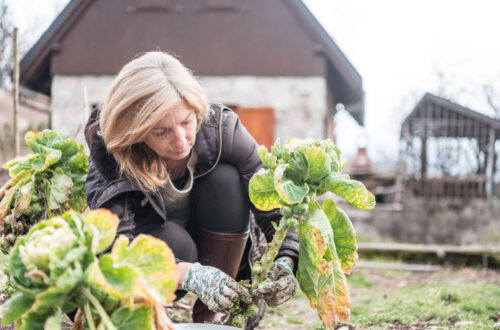
Fall isn’t just about crisp mornings and vibrant leaves—it’s the season when gardens reach their peak of abundance. Tomatoes ripen faster than you can pick them, squash and pumpkins spill across the ground, and herbs seem endless. But as the days grow shorter, gardeners know that fresh produce won’t last forever. That’s why fall is the perfect time to shift focus from harvesting to preserving. With the right methods, you can stretch the flavors of your fall bounty well into winter.
Why Preservation Matters
Preserving food isn’t just about saving what you’ve grown—it’s about reducing waste, saving money, and eating healthier year-round. Store-bought canned or frozen produce can’t compete with the quality of fruits and vegetables you picked at their peak. Plus, putting up your own harvest connects you to the same traditions that sustained homesteaders and farmers for generations.
Freezing: Locking in Freshness
Freezing is one of the simplest and most effective ways to preserve your fall produce. Vegetables like beans, broccoli, and carrots hold up beautifully when blanched and frozen. Fruits such as berries, peaches, and even apples can be frozen for pies, smoothies, or sauces later.
- Tip: Spread cut produce in a single layer on a baking sheet before bagging to avoid clumping.
- Best Crops for Freezing: Green beans, corn, spinach, peppers, apples, and berries.
Canning: Shelf-Stable Goodness
Canning may sound intimidating, but once you learn the basics, it becomes second nature. Water-bath canning works perfectly for high-acid foods like tomatoes, jams, and pickles. Pressure canning, on the other hand, is necessary for low-acid vegetables such as beans, carrots, and meats.
- Tomatoes: Turn them into pasta sauce, salsa, or crushed tomatoes for soups.
- Pickling: Cucumbers, beets, and even green beans make excellent tangy snacks.
- Jams & Jellies: Capture the sweetness of fall fruits like apples, pears, or grapes.
Drying & Dehydrating: Concentrated Flavor
Drying is one of the oldest preservation methods—and still one of the best. Dehydrated foods are lightweight, nutrient-dense, and perfect for snacking or cooking.
- Herbs: Basil, thyme, oregano, and rosemary dry quickly and store well.
- Fruits: Apple slices, pears, and plums turn into chewy, naturally sweet treats.
- Vegetables: Dried peppers and tomatoes add flavor to soups and stews.
Fermentation: Probiotics and Flavor
Fermentation not only preserves food but also boosts nutrition and adds complex flavors. Sauerkraut, kimchi, and fermented pickles are fall staples that can be made with just salt, water, and fresh produce.
- Cabbage: A fall garden classic, perfect for sauerkraut.
- Root Vegetables: Carrots, radishes, and turnips ferment beautifully.
- Bonus: Fermented foods promote gut health thanks to natural probiotics.
Root Cellaring: Nature’s Refrigerator
If you have the right conditions, a root cellar (or even a cool basement) can keep crops fresh for months without processing. Root vegetables like potatoes, carrots, and beets store best in slightly damp sand or sawdust to maintain moisture.
- Best for Storage: Potatoes, squash, onions, carrots, and apples.
- Tip: Keep crops separated—apples release ethylene gas that can cause potatoes to sprout faster.
Turning Harvest into Winter Meals
Preservation doesn’t have to stop at raw ingredients. Prepare soups, stews, and sauces in big batches and freeze them for quick winter dinners. A hearty butternut squash soup or a jar of homemade pasta sauce can bring the comfort of fall to a snowy January night.
Final Thoughts
From freezing and canning to fermenting and drying, there are countless ways to preserve your fall harvest. The effort you put in now will reward you with flavorful, homegrown food all winter long. Whether you’re making jars of salsa, drying apple rings, or tucking potatoes into a root cellar, you’re doing more than storing food—you’re capturing a season.
So as you head out to your garden this fall, don’t just think about the next meal. Think about how you can carry the taste of autumn into the cold months ahead.


You May Also Like

Best Boots for Rice Farm Work: Waterproof Footwear for Flooded Fields, Deep Mud, and Long Agricultural Days

Mud, Sweat, and She-Sheds: How Trudave Gear Is Finally Giving Women the Rain Boots They Deserve