-
Calm Herd, Easy Winter: Low-Stress Handling Methods for Cold Months
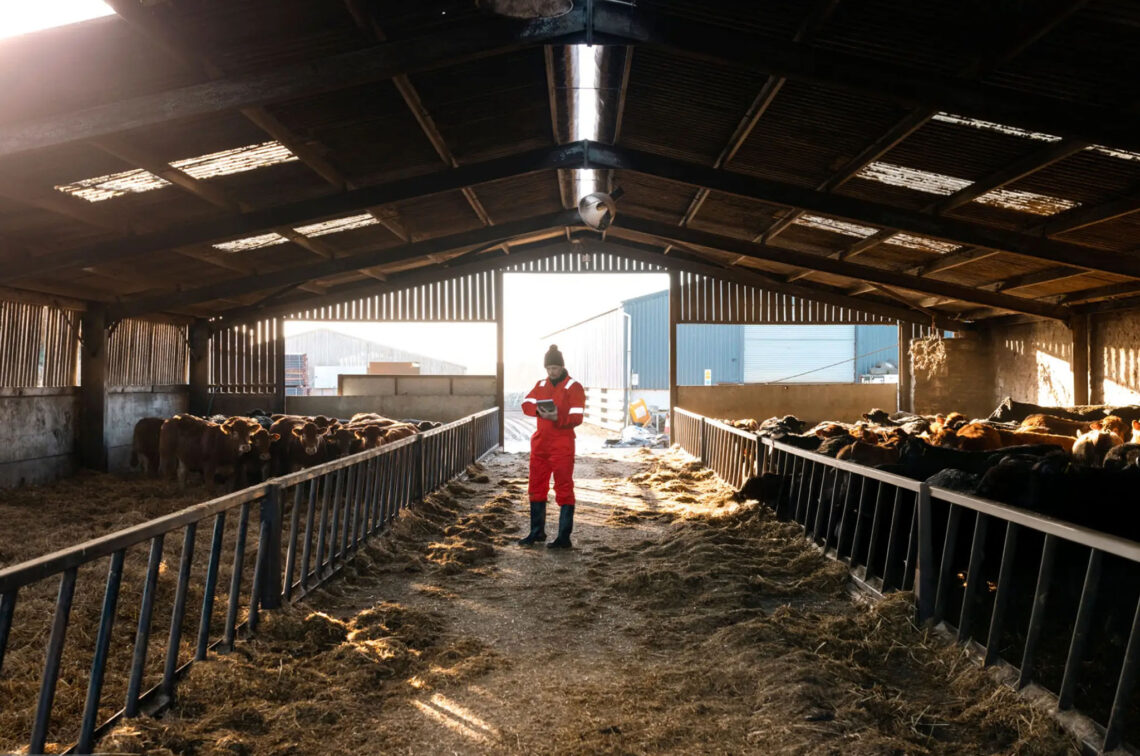
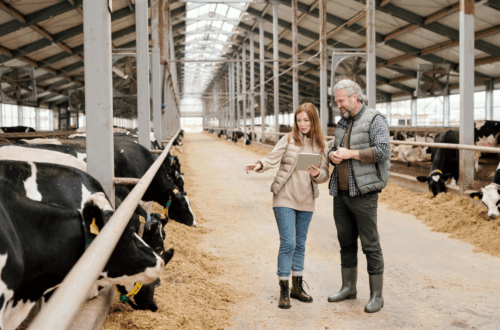
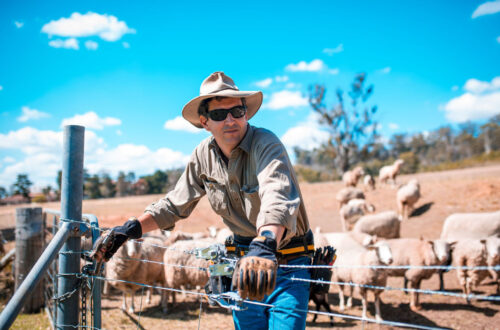
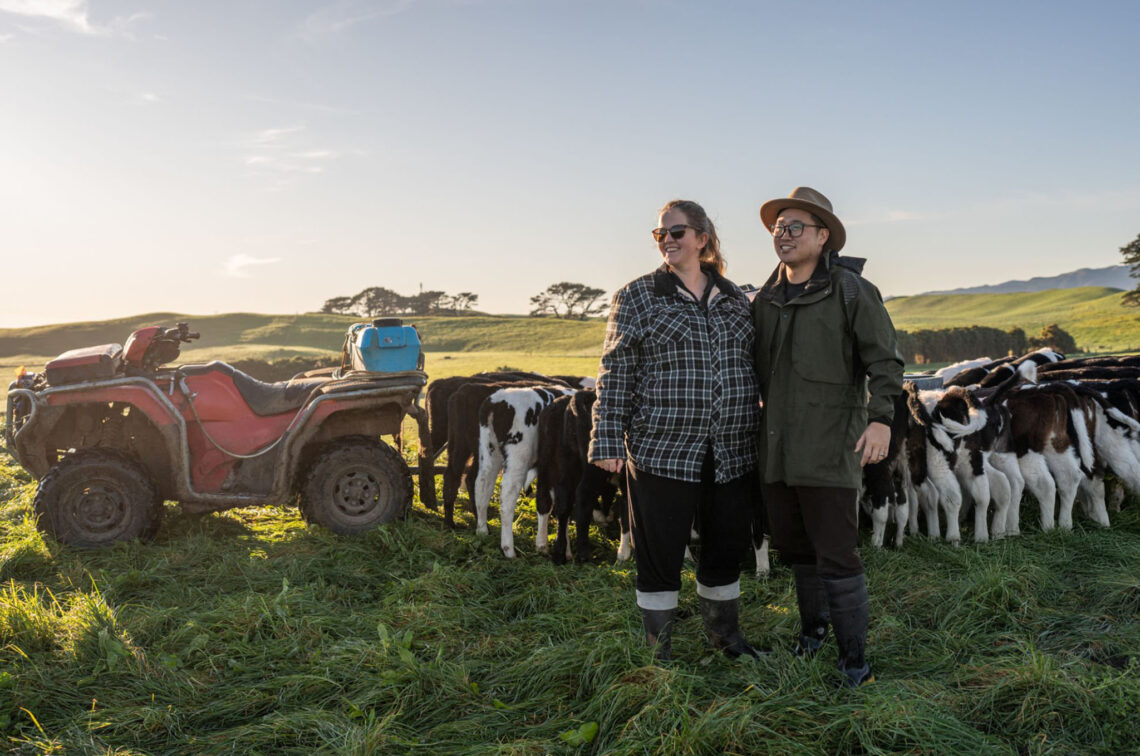
Winter puts more pressure on livestock—and on the people caring for them—than any other season. Cold winds, frozen ground, and limited daylight reduce an animal’s tolerance for stress. At the same time, ranchers must perform tasks that inevitably disrupt the herd: feeding, moving, treating, sorting, checking body condition, and repairing winter shelters. But the most successful ranchers know a simple truth:A calm herd is easier to manage, healthier through winter, and far more productive in spring. Low-stress handling isn’t just a warm-weather strategy. In the cold months, it becomes essential. Here’s how to build a calm, cooperative herd all winter long—and save yourself hours of work, money, and frustration in…
-
Small Ranch, Huge Output: Winter Systems That Cut Chores in Half
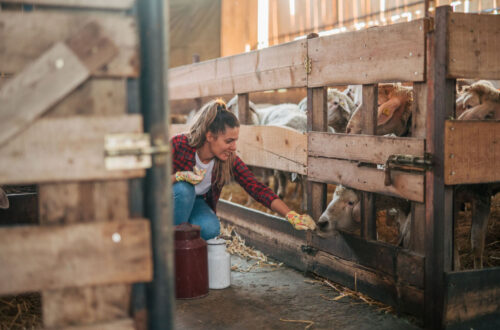
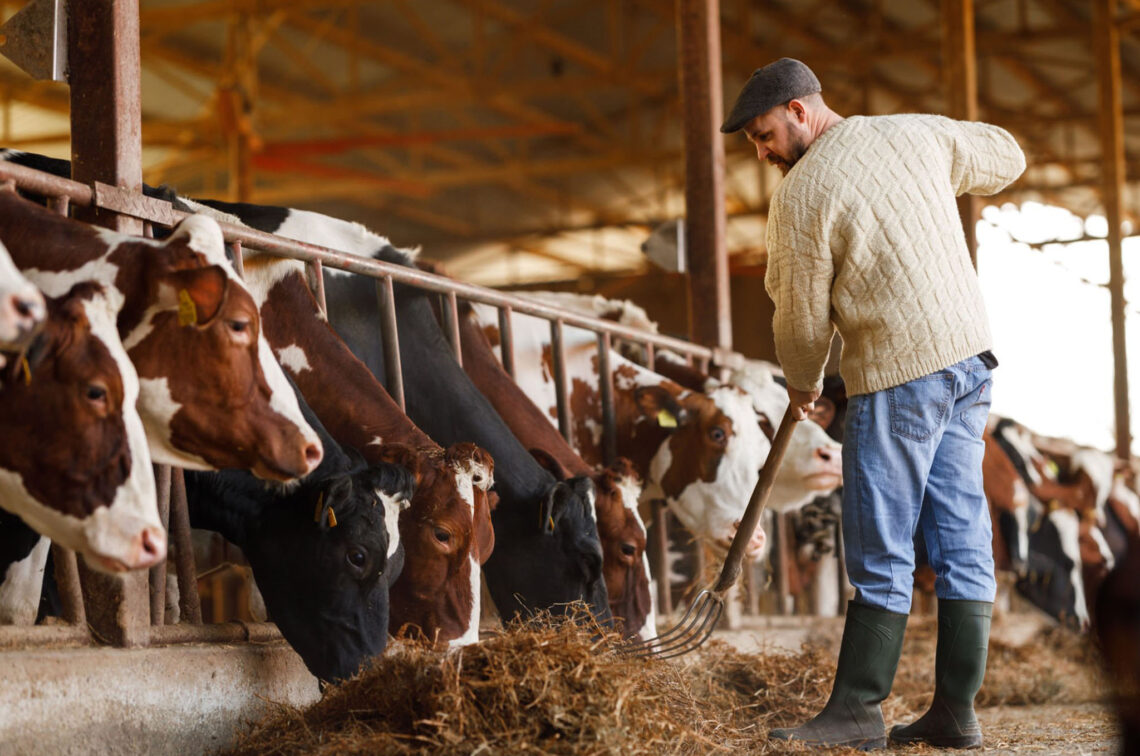
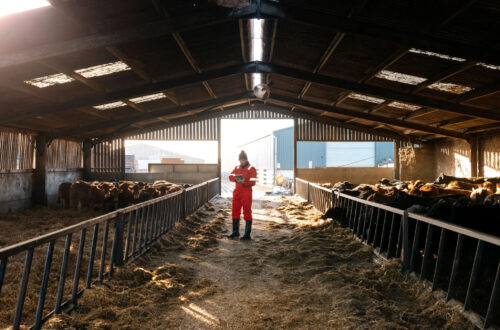
Running a small ranch in winter can feel like a never-ending cycle of breaking ice, hauling feed, cleaning pens, checking fences, and trying to keep livestock warm. Short days and freezing temperatures only make everything take longer. But the most efficient ranchers—those who consistently produce more with fewer resources—don’t push harder in winter. They build systems that allow the ranch to function with minimal daily effort, even during the harshest months. If you’re operating on limited acreage or managing a small herd, the right winter systems can double your output and cut your workload in half. Here’s how to turn your small ranch into a high-efficiency winter operation without sacrificing…
-
The Nighttime Frost Strategy Gardeners Wish They Learned Sooner
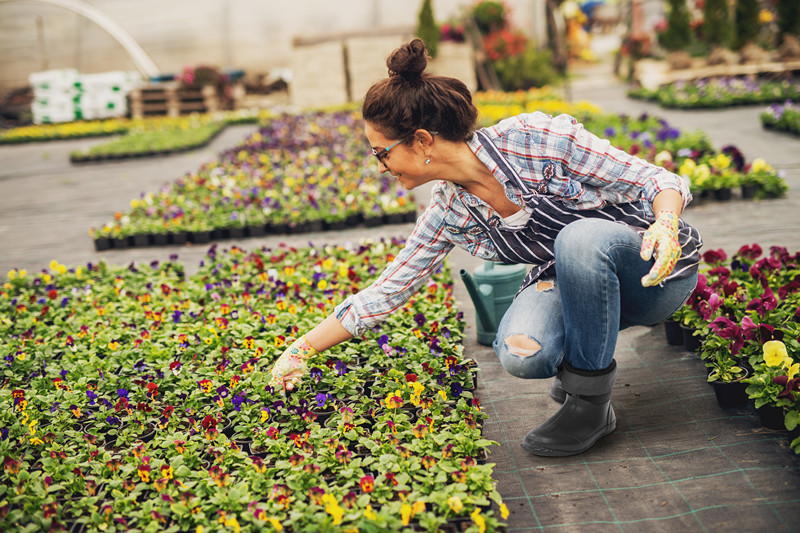
Every gardener knows the sting of losing a promising bed of seedlings to an unexpected cold snap. One night of frost can undo weeks of planning—wilting leaves, blackened stems, and entire rows of young plants slumped over like they’ve given up. But what many gardeners don’t realize is that frost damage isn’t just about temperature; it’s about timing, preparation, and how you use the nighttime hours to your advantage. There’s a strategy veteran growers swear by—something that protects tender crops, preserves early blooms, and even strengthens soil health through the freeze–thaw cycle. And once you understand how nighttime frost truly behaves, you’ll wish you learned this trick much sooner. Why…
-
Snow Melt Magic: Using Thaw Cycles to Rehydrate Depleted Soil
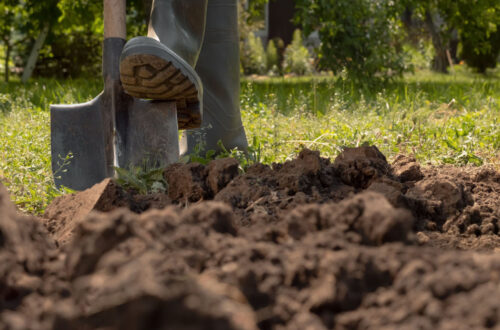
When winter loosens its grip and temperatures bounce between freezing nights and mild afternoons, something remarkable happens beneath your feet. Snow begins to soften, ice layers crack, and slow, steady meltwater starts working its way down into the soil profile. For gardeners, homesteaders, and ranchers across the U.S., these thaw cycles are far more than just a sign of spring creeping closer—they’re a natural irrigation event that can revive depleted soil, boost microbial life, and prepare fields for a stronger growing season. In a world where water conservation matters more than ever, understanding how to harness snowmelt can make a noticeable difference in soil structure, plant vitality, and long-term land…
-
January Fertility Check: Preparing Pastures for Early Spring Grazing
January may seem like the quietest month for pasture management, but it’s actually the perfect time to set the stage for a productive spring grazing season. Early preparation ensures your pastures are nutrient-rich, resilient, and ready to support healthy livestock growth as soon as temperatures rise. By performing a thorough fertility check and making targeted adjustments, you can maximize forage production and improve overall pasture health. Why January is Critical for Pasture Fertility Even though pastures may appear dormant in winter, soil processes continue beneath the surface. Nutrient availability, soil compaction, and pH levels all influence early spring growth. A January fertility check allows you to: Taking proactive steps now…
-
Livestock Warmth Hacks: Affordable Shelter Adjustments for Freezing Temperatures
When winter temperatures plummet, keeping your herd safe and healthy becomes a top priority. Cold stress can reduce feed efficiency, slow growth, and even cause illness or death in extreme conditions. The good news is that you don’t need a multimillion-dollar barn renovation to provide effective protection. With some practical, low-cost adjustments, you can ensure your livestock stays warm and productive during the coldest months. Understanding Cold Stress in Livestock Animals experience cold stress when their bodies must expend extra energy to maintain core temperature. Common signs include: Addressing cold stress early prevents serious health issues and keeps your farm operations running smoothly. Affordable Shelter Adjustments That Work 1. Strategic…
-
Winter Composting: Turning Cold Weather Into Nutrient Gold for Spring Gardens
Many gardeners think that composting comes to a halt once the temperature drops and winter sets in. However, winter can be one of the most productive times to prepare nutrient-rich compost for your spring garden—if done correctly. With some planning and smart management, your cold-season compost can become a powerhouse of fertility, ready to boost your soil and plants as soon as the thaw arrives. Why Winter Composting Matters Even in cold weather, organic materials continue to decompose, albeit more slowly. Winter composting allows gardeners to: Choosing the Right Winter Compost Method Different composting strategies work best in winter depending on your climate and available space. 1. Traditional Outdoor Compost…
-
Winter Green Boosters: Using Cold Frames to Extend Your Growing Season
For many American gardeners, the winter months bring a natural pause to planting. Frost, snow, and frigid temperatures can make outdoor gardening nearly impossible. But for those looking to maximize their growing potential, cold frames offer a simple, effective way to extend the season and keep fresh greens thriving even in the coldest months. What Is a Cold Frame? A cold frame is essentially a low, box-like structure with a transparent top—usually glass or clear plastic—that captures sunlight while providing insulation. Think of it as a mini greenhouse that protects plants from harsh wind, frost, and snow. By trapping solar heat during the day and holding warmth at night, cold…