Calm Herd, Easy Winter: Low-Stress Handling Methods for Cold Months
Winter puts more pressure on livestock—and on the people caring for them—than any other season. Cold winds, frozen ground, and limited daylight reduce an animal’s tolerance for stress. At the same time, ranchers must perform tasks that inevitably disrupt the herd: feeding, moving, treating, sorting, checking body condition, and repairing winter shelters.
But the most successful ranchers know a simple truth:
A calm herd is easier to manage, healthier through winter, and far more productive in spring.
Low-stress handling isn’t just a warm-weather strategy. In the cold months, it becomes essential. Here’s how to build a calm, cooperative herd all winter long—and save yourself hours of work, money, and frustration in the process.
Why Winter Stress Is More Dangerous for Livestock
Cold temperatures intensify every stressor an animal experiences.
The risks of winter stress include:
- Lower feed efficiency
- Weakened immune systems
- Higher risk of respiratory illness
- Increased feed consumption
- Reduced weight gain or body condition
- Harder handling and greater risk of injury
- Damaged fences and panels from panicking animals
A calm herd conserves energy, stays warmer, and requires less intervention.
1. Move Slower—Because the Cold Makes Animals React Faster
This may sound backward, but winter actually makes animals more reactive:
- Cold air sharpens senses
- Animals conserve heat and don’t want to run
- Snow and ice make footing uncertain
- Wind noise masks cues and startles them
The winter rule:
Move at half-speed in cold weather.
Slow steps, steady movements, and wide angles prevent cattle, goats, sheep, or horses from slipping or rushing.
Tips:
- Keep hands low and movements predictable
- Avoid sudden pressure from behind
- Approach animals from their shoulder, not directly head-on
- Let livestock take time to choose safe footing
This single adjustment can lower stress more effectively than any piece of equipment.
2. Reduce Handling Frequency by Increasing Handling Quality
In winter, unnecessary contact equals unnecessary stress. Instead of multiple short disruptions, consolidate tasks.
Combine responsibilities during one calm session:
- Body condition scoring
- Worming or injections
- Hoof checks
- Tag replacements
- Shelter adjustments
- Moving to a fresh paddock
- Refilling mineral and salt blocks
By doing more in one controlled moment, you drastically reduce the total stress load on the herd.
3. Use Natural Barriers and Existing Winter Behavior to Your Advantage
Animals behave differently in cold months. They group tighter, seek windbreaks, and follow predictable routes between:
- Feed
- Shelter
- Water
Instead of fighting that behavior—use it.
How:
- Place handling lanes where animals already walk
- Set portable panels near natural funnels like hedgerows or snowdrift edges
- Use feeding areas as gathering points, eliminating the need to chase livestock
- Sort animals directly from the hay ring or feed bunk when they are naturally calm
Low-stress winter handling is about positioning—not force.
4. Voice and Sound Management: The Winter Advantage
Winter landscapes are quieter:
snow absorbs noise, cold air carries sound farther, and winds shift unpredictably.
Livestock hear everything.
To keep them calm:
- Avoid yelling—use firm, consistent tones
- Let animals hear you before they see you
- Use soft claps instead of metal banging
- Keep dogs under control unless they’re trained for quiet pressure
In winter, sound is pressure. Use it carefully.
5. Winter Sorting and Moving: Keep Groups Together
Separating individuals during cold months increases anxiety.
When you must sort or move:
- Move entire sub-groups or family units
- Keep calves with familiar companions
- Avoid isolating weaker animals—stress can cause them to quit eating
- Use large, open angles rather than tight funnels
Animals follow herd confidence. In winter, confidence drops, so maintaining group integrity matters more than ever.
6. Improve Winter Handling Infrastructure—Simple Fixes, Big Results
You don’t need an expensive handling system to reduce stress. Even small ranches can make high-impact improvements.
Key upgrades for calm winter handling:
Non-slip footing
- Sand on icy spots
- Straw mats in alleyways
- Rubber mats where animals transition surfaces
Smooth flow design
- Wide corners for easy turning
- Avoid sharp shadows from winter lighting
- Remove dangling tarps or objects that flap in the wind
Quiet gates
Grease hinges, repair rattles, and replace clanging chains with:
- Rubber tie-downs
- Heavy-duty carabiners
- Quiet latches
Small fixes prevent big spooks.
7. Use Feed as a Calm-Handling Tool
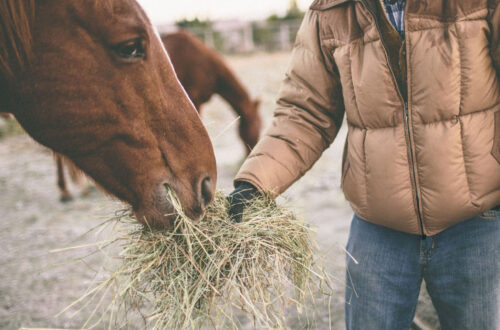
A hungry or cold animal is a stressed animal. Feed brings calm to a herd faster than anything else.
Use feed strategically:
- Scatter hay lightly to encourage slow entry into handling areas
- Place grain buckets in sorting alleys
- Use small flakes to lead animals without pushing them
- Offer minerals at the end of a handling session to reset herd behavior
Feed reduces tension and creates positive winter associations.
8. Consistency: The Most Overlooked Low-Stress Winter Tool
Animals rely on predictable routines. Winter disrupts those routines—but ranchers shouldn’t.
Keep consistency in:
- Feeding times
- Route patterns
- Voice cues
- Gate movements
- Water breaks
- Night checks
When animals know what to expect, they behave calmly even in freezing temperatures.
9. Know When to Step Back: Winter Is Not the Time for Force
If animals:
- Crowd a gate
- Refuse to enter a pen
- Get nervous around new equipment
Step back, remove pressure, and let them reset. Forcing livestock in cold weather leads to:
- Slips
- Sprains
- Broken panels
- Fence damage
- Herd panic that takes days to reverse
Winter handling rewards patience more than strength.
10. Monitor Herd Behavior—Your Calmness Shows in Their Actions
A low-stress herd shows clear signs:
- Slow, wide-eyed blinking
- Even breathing
- Loose tails
- Forward ears
- Walking instead of rushing
- No bunching at corners
- Willingness to eat around you
If your herd behaves like this in winter, your systems are working.
A Calm Herd Makes Winter Easier—for Everyone
Winter ranching is demanding, but it doesn’t have to be chaotic.
Low-stress handling allows you to:
- Cut total chore time
- Reduce vet visits
- Prevent injuries
- Maintain body condition
- Improve feed efficiency
- Strengthen herd trust
- Move livestock quickly and safely
- Enter spring with healthier animals and healthier pastures
A calm herd isn’t just a pleasure to manage—it’s a productivity powerhouse.
Keep yourself calm, keep your movements deliberate, and build winter routines that reduce stress at every turn.
Do that, and winter becomes smoother, safer, and far more efficient for your ranch.


You May Also Like
Reading Grass Recovery Without Guessing or Waiting Too Long
Cold-Hardy Crops for Late Fall Planting: What You Can Still Grow This Season