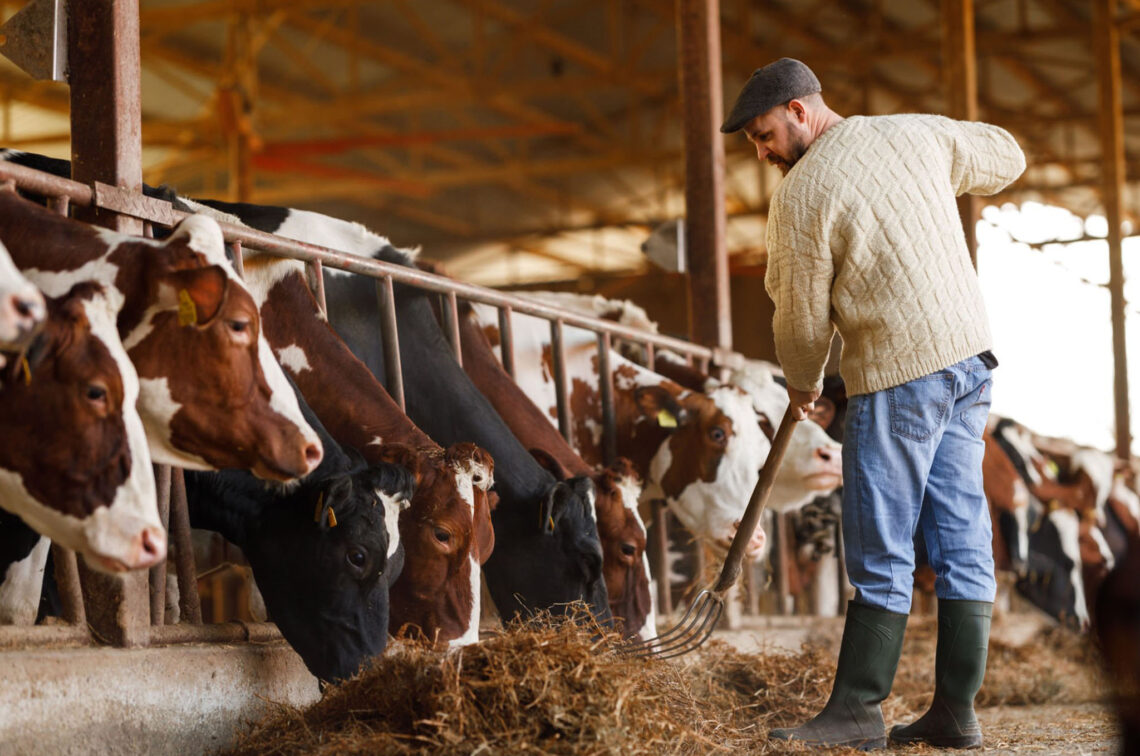
January Fertility Check: Preparing Pastures for Early Spring Grazing
January may seem like the quietest month for pasture management, but it’s actually the perfect time to set the stage for a productive spring grazing season. Early preparation ensures your pastures are nutrient-rich, resilient, and ready to support healthy livestock growth as soon as temperatures rise. By performing a thorough fertility check and making targeted adjustments, you can maximize forage production and improve overall pasture health.
Why January is Critical for Pasture Fertility
Even though pastures may appear dormant in winter, soil processes continue beneath the surface. Nutrient availability, soil compaction, and pH levels all influence early spring growth. A January fertility check allows you to:
- Identify nutrient deficiencies before the growing season
- Adjust soil pH for optimal grass and legume uptake
- Reduce springtime stress on plants and animals
- Plan supplemental feeding more effectively
Taking proactive steps now can prevent costly interventions later and ensure early forage is abundant and high-quality.
Step 1: Soil Testing
The foundation of any fertility plan is understanding your soil’s current condition.
- Collect Soil Samples: Take 10–15 samples across different paddocks at a 3–4 inch depth.
- Test for Key Nutrients: Nitrogen (N), phosphorus (P), potassium (K), calcium, and magnesium are essential for spring growth.
- Check pH Levels: Most cool-season grasses and legumes thrive between 6.0–6.5 pH. Adjusting acidity now allows lime or sulfur treatments time to react with the soil.
Tip:
Avoid sampling frozen soil directly. Wait for a thawed layer or collect samples from areas not heavily compacted.
Step 2: Address Nutrient Deficiencies
Once soil tests are complete, apply amendments carefully to avoid runoff or nutrient loss.
- Lime for Acidic Soil: Spread lime if pH is below optimal levels. Winter application allows time for it to react before spring.
- Phosphorus & Potassium: Apply according to soil test recommendations to encourage root growth and plant resilience.
- Nitrogen Timing: Minimal or slow-release nitrogen can be added in late winter to kickstart spring growth without stimulating excessive early growth that could be frost-damaged.
Step 3: Assess Pasture Condition
A fertility check isn’t just about soil—it’s about the overall health and structure of your pasture.
- Remove Debris and Dead Growth: Clear fallen branches, old fencing, and excessive thatch that can harbor pests.
- Check for Soil Compaction: High-traffic areas may need aeration to improve root penetration and water absorption.
- Plan Reseeding: Identify bare or thin patches that could benefit from early spring overseeding.
Step 4: Grazing Management Prep
Planning pasture rotations now reduces stress on both plants and livestock once grazing resumes.
- Divide Pastures into Paddocks: Setting up rotational grazing areas ensures even nutrient distribution and prevents overgrazing.
- Mark Water Points and Fencing: Ensure all livestock infrastructure is functional before spring.
- Plan Rest Periods: Healthy pastures need recovery time, especially after winter dormancy.
Step 5: Winter Supplement Planning
Even with well-prepared pastures, supplemental feeding may be necessary.
- Stockpile Hay or Silage: Evaluate current inventory and plan for quality feed to bridge late winter and early spring gaps.
- Mineral Supplements: Provide trace minerals to support fertility and animal health.
- Strategic Feeding Zones: Place feed in areas that benefit pasture recovery and nutrient distribution.
Conclusion
January is the perfect time to perform a fertility check and set your pastures up for a successful early spring grazing season. By combining soil testing, nutrient adjustments, pasture assessment, and smart grazing planning, you can ensure robust forage growth and healthier livestock. Proactive preparation reduces spring stress, improves productivity, and maximizes the return on your pasture investment.


You May Also Like
Just Tell Me Which Rain Boot to Buy: A Decision-Driven Guide to Trudave Rubber Boots
From Frost to Flavor: Growing Late-Season Greens That Thrive in the Cold