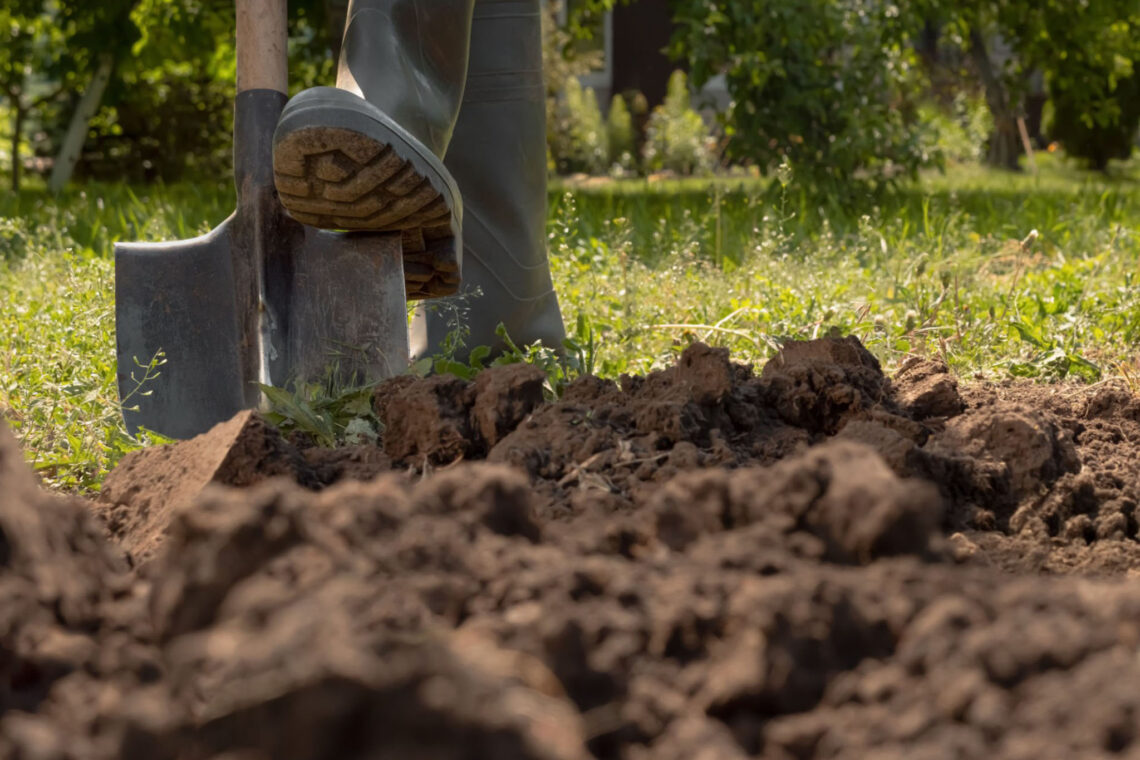
Winter Soil Wake-Up: The Secret December Prep That Protects Your Garden for Spring
When temperatures drop and the garden looks like it’s gone to sleep, most people assume the soil is resting too. But December is actually one of the most important months of the year for soil health. What you do right now can decide whether your spring garden bursts to life—or struggles from day one.
Winter soil prep isn’t loud, glamorous, or fast. It’s quiet work beneath frozen ground, biological shifts that happen slowly but significantly. And December is the moment when you can put the right ingredients, structure, and microbial support in place before spring even shows up.
Here’s how to “wake up” your winter soil and build a foundation so strong that your spring garden grows with almost no setbacks.
1. Start With a Soil Reset: The December Clean-Up That Matters
Even if your garden is covered in frost, what lies on top still affects what’s happening beneath.
Remove Disease-Catching Debris
Dead plant material harbors fungus, overwintering insects, and late-season blights. While fallen leaves can be beneficial, decaying crop debris often is not. Clearing beds in December prevents issues like:
- Early spring fungal outbreaks
- Soil-borne pests that survive the winter
- Mold growth in wet, cold conditions
Compost only the healthy stuff. Anything spotted, mildewed, or insect-infested should be removed entirely.
Keep the Mulch—But Refresh It
A thin mulch layer protects the soil, but a thick, soggy layer traps moisture and slows soil warming in spring. In December, pull back mulch where it’s piled too deep and replace it with a fresh, breathable layer like:
- Straw
- Shredded leaves
- Pine needles
This creates insulation without smothering the soil.
2. Feed the Microbes: December Is Prime Time for Soil Biology
Winter soil prep isn’t about feeding plants—it’s about feeding microbes.
Add Organic Matter Before the Deep Freeze
Cold slows decomposition, but it doesn’t stop it. Adding organic material now gives microbes months to break it down slowly, creating a nutrient-rich base for spring.
Best materials for December soil building:
- Mature compost
- Aged manure
- Leaf mold
- Worm castings
Spread 1–2 inches over your beds and let winter weather work it in for you.
Why This Matters
Healthy soil bacteria and fungi continue to operate—even at temperatures below freezing. Winter moisture moves nutrients deeper, frost heave mixes materials, and microbes get a steady food source.
Winter is slow magic, but magic nonetheless.
3. Protect Soil Structure During Freeze–Thaw Cycles
Repeated freezing and thawing can compact soil, destroy aeration channels, and damage root space. December is the month to guard against this.
Add a Protective Soil Blanket
A light mulch layer keeps the soil surface from crusting over and prevents compaction caused by winter rain or melting snow.
Avoid Walking on Garden Beds
Even one step on winter soil can crush pore spaces and force water to pool in the wrong places. If you need to reach a bed, use a board or plank to distribute weight.
Consider a Winter Cover Crop
If your ground is not frozen yet, sow fast-establishing winter crops like:
- Winter rye
- Hairy vetch
- Crimson clover
These cover crops anchor the soil, support microbes, and add nutrients when cut down in spring.
4. Recharge Winter Soil With December Amendments
Some amendments work better in cold months than in spring, when plants are already feeding heavily.
Best December Soil Amendments
- Bone meal – slow-release phosphorus for strong root growth
- Greensand – improves soil texture and trace minerals
- Rock phosphate – ideal for low-P soils
- Wood ash (lightly applied) – adds potassium and raises pH in acidic beds
These amendments break down slowly over winter, making them highly available by planting time.
5. Lock In Moisture and Prevent Nutrient Loss
Winter rain and snow can wash nutrients out of unprotected soil. December is when you make sure they stay put.
Mulch Edges and Pathways
Bare edges are erosion hot spots where nutrients escape. A ring of mulch around beds keeps soil contained.
Shape Beds to Promote Drainage
If your soil is wet or clay-heavy:
- Create gentle slopes
- Form raised mounds
- Avoid flat, waterlogged surfaces
Better drainage means warmer soil in spring and healthier microbial activity through winter.
6. Prepare Your Garden for a Warm Start in Spring
December soil prep isn’t just about surviving winter—it’s about hitting spring running.
Warm the Soil Early With These Tricks
- Use black plastic or landscape fabric in late winter
- Pull mulch back temporarily in early March
- Install cloches or small hoop tunnels over key beds
Your soil warms days or even weeks earlier, allowing you to plant ahead of the crowd.
Final Thoughts: December Soil Work Pays Off All Year
While most gardeners think December is the end of the season, it’s actually the beginning of next year’s success. Winter soil doesn’t sleep—it’s adjusting, balancing, and building under the surface. When you feed and protect it now, your spring garden will reward you with:
- Faster growth
- Earlier harvests
- Fewer pest and disease problems
- Better moisture retention
- Stronger plants with deeper roots
December soil prep is quiet work, but it’s the kind of work that separates thriving gardens from frustrating ones.


You May Also Like

The Rain Boot You Actually Need: How to Stop Guessing and Find Your Perfect Match

Why Midday Activity Windows Matter Most During Deep Cold