Preparing Calves for Cold Weather: Immunity, Bedding, and Comfort
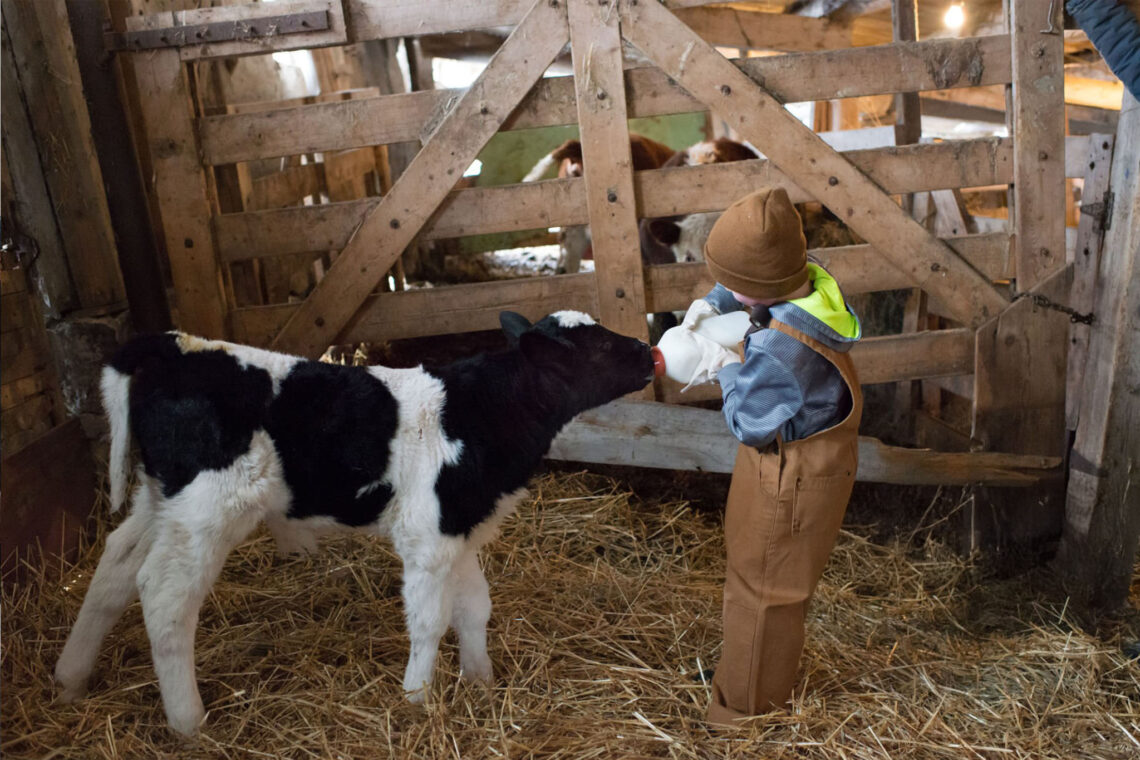
As the temperature drops and frost begins to cover the morning pastures, ranchers across the country know what’s coming — the long stretch of winter that tests both livestock and management. While mature cattle are naturally equipped to handle cold with their thick coats and body fat, young calves are far more vulnerable. Their immune systems, energy reserves, and thermoregulation are still developing, making them susceptible to illness, stress, and stunted growth.
Preparing calves for cold weather isn’t just about keeping them warm — it’s about building resilience from the inside out. From boosting immunity to perfecting bedding systems and maintaining comfort, every decision you make in fall can mean the difference between healthy growth and costly losses.
This guide walks through essential strategies to protect your calves when winter hits hard.
🧬 Strengthening Immunity Before the Freeze
Calf health starts with immunity. A strong immune system is the calf’s best defense against cold-weather stress, respiratory infections, and scours.
1. Colostrum Intake Is the Foundation
If you’re managing fall or winter calving, ensure every newborn calf receives high-quality colostrum within the first two hours of life. Colostrum provides vital antibodies that jump-start immunity and help calves fight early pathogens. Use a colostrometer or Brix refractometer to confirm quality — readings above 22% on the Brix scale indicate strong colostrum.
2. Pre-Winter Vaccinations
Calves should be vaccinated against BVD, IBR, and respiratory complex diseases well before cold weather sets in. Vaccinate during mild weather — not during cold snaps — to avoid suppressing the immune response. Consult your vet to time boosters properly and reduce stress during the transition period.
3. Proper Nutrition and Energy Balance
Cold stress increases a calf’s energy needs by up to 30% or more. Make sure their diet includes enough protein and digestible energy to maintain growth and heat production. Supplement with high-quality hay, grain, or creep feed when pasture quality declines.
Adding vitamin E, selenium, and zinc can further support immune function during cold months.
🧣 Bedding: Insulation from the Ground Up
Calves lose more heat through the ground than through the air. That’s why proper bedding is one of the most effective — and often overlooked — tools for cold-weather protection.
1. Choose the Right Bedding Material
- Straw: Excellent insulation and moisture absorption; allows calves to “nest” and stay warm.
- Wood shavings or sawdust: Good secondary layers but less insulating than straw.
- Sand: Useful in wet environments but offers minimal warmth.
A good rule of thumb: when a calf lies down, its legs should disappear into the bedding. That indicates enough insulation to trap body heat.
2. Keep It Dry and Deep
Wet bedding destroys insulation and invites bacteria. Replace wet spots daily and add fresh straw or shavings regularly. Deep bedding — at least 12 inches in colder regions — helps prevent hypothermia and frostbite on ears or tails.
3. Elevate and Ventilate
A warm barn isn’t always a healthy one. Poor airflow can lead to high humidity and respiratory disease. Keep bedding dry by ensuring proper drainage and ventilation. Cold, clean, and dry air is far better than warm, damp air.
🧤 Maintaining Comfort in Harsh Conditions
Even the healthiest calves struggle when environmental comfort is ignored. Comfort involves more than warmth — it’s about reducing stress, conserving energy, and preventing disease.
1. Provide Windbreaks and Shelter
Use natural windbreaks like tree lines or constructed barriers such as plywood walls, hay bales, or snow fences to shield calves from prevailing winds.
If using calf huts or sheds, make sure they face away from the wind and are raised slightly off the ground to prevent water pooling.
2. Monitor Temperature Thresholds
The lower critical temperature (LCT) for calves — the point where they must burn extra energy to stay warm — is around 50°F (10°C) for newborns and 32°F (0°C) for older calves.
Once temperatures dip below that, increase feed energy or provide additional bedding to maintain body condition.
3. Keep Water Accessible and Unfrozen
Hydration is often overlooked in winter. Dehydration suppresses feed intake and digestion. Check waterers daily to prevent ice buildup and ensure water remains between 40–60°F (4–16°C). Heated buckets or insulated troughs are a worthwhile investment.
4. Minimize Handling Stress
Stress from handling or crowding weakens immunity. Maintain consistent routines and avoid unnecessary movement during extreme cold. Group calves by age and size to reduce competition for feed and warmth.
🧪 Monitoring and Early Intervention
Even with the best preparation, cold stress can sneak up. Ranchers should watch closely for early signs of trouble.
Watch for:
- Lethargy or huddling
- Shivering or cold ears/legs
- Reduced appetite
- Coughing, nasal discharge, or labored breathing
Act quickly. Move affected calves to a warm, dry area and provide warm electrolytes if necessary. Use heat lamps or calf blankets only as short-term aids — not replacements for proper shelter and nutrition.
🌾 Preparing for the Long Haul
Preparing calves for winter isn’t just about surviving the cold — it’s about maintaining steady growth and resilience for the spring ahead. Healthy, comfortable calves turn into strong, productive cattle, setting the tone for your herd’s future performance.
Here’s a quick seasonal checklist for reference:
Fall-to-Winter Calf Prep Checklist:
✅ Ensure timely vaccinations and parasite control
✅ Provide clean, dry, deep bedding
✅ Set up reliable windbreaks and drainage
✅ Monitor feed intake and adjust for cold stress
✅ Check water supplies daily for ice
✅ Keep handling calm and minimal
❄️ Final Thoughts: Comfort Equals Performance
Every extra step taken before the freeze pays off in fewer vet bills, higher weight gains, and a stronger herd come spring. A warm, well-fed, and low-stress calf is one that thrives — not just survives — through winter.
Cold weather may be inevitable, but its impact on your calves doesn’t have to be. With strong immunity, smart bedding, and consistent comfort, your herd will head into spring healthier, hardier, and ready to grow.


You May Also Like
Why Livestock Gain Slows Down Even When Pasture Looks Healthy in Summer
Why Cattle Move More in Early Spring and What It Means for Your Herd