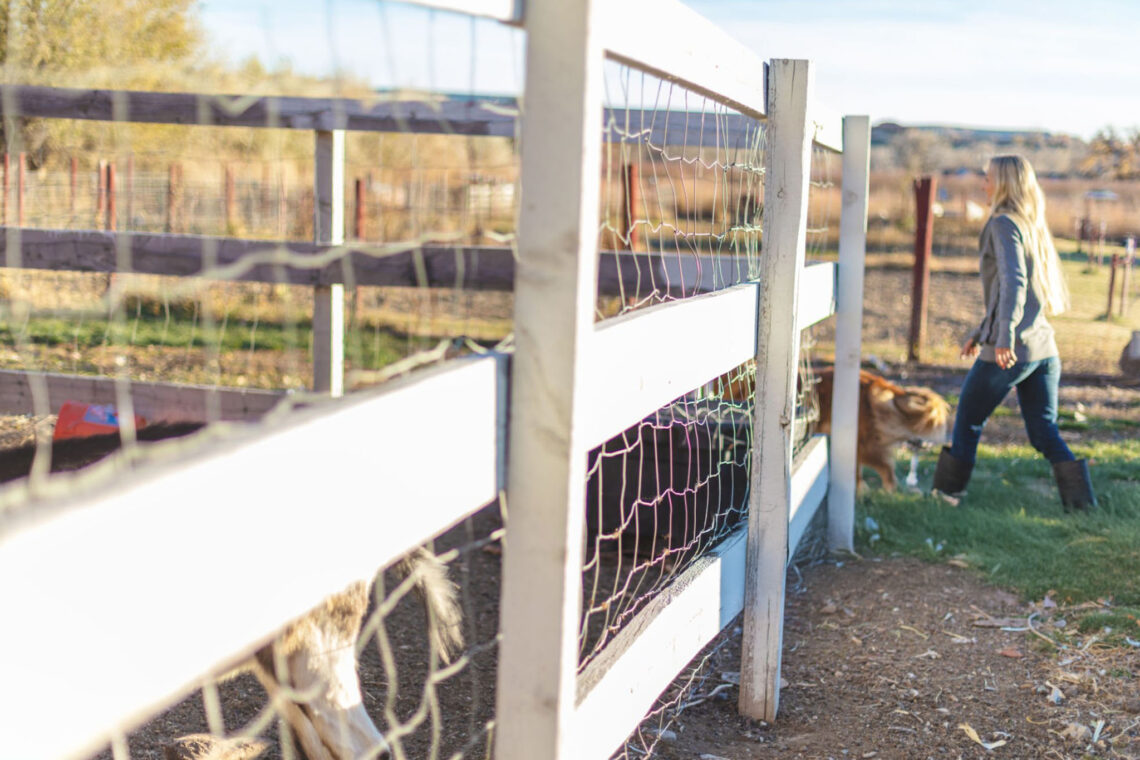
Deep Roots, Strong Herds: Building Better Pasture Resilience for Next Spring
As fall winds down and the first frosts begin to settle across open fields, ranchers know this is no time to relax. The work done now — when the grass is fading and the soil is still workable — sets the stage for next spring’s success. Building pasture resilience isn’t just about what grows above the surface; it’s about nurturing the deep, living network beneath it. Strong roots make strong forage, and strong forage builds strong herds.
In this guide, we’ll explore how to strengthen your pastures through smart fall management, focusing on root development, soil health, and strategic grazing.
🌾 Understanding Pasture Resilience
Pasture resilience means more than just surviving the winter. It’s about how well your forage recovers in the spring, handles drought, resists compaction, and supports consistent nutrition for livestock. Healthy pastures can bounce back from grazing pressure, wet seasons, or dry spells — all thanks to the strength of their roots and soil.
The secret lies underground. Root systems that extend deep into the soil profile can access moisture and nutrients long after surface grasses have browned. They also improve soil structure, encouraging microbial activity and reducing erosion through the colder months.
🌱 Step 1: Encourage Deep Root Growth Before the Freeze
Once the summer heat fades, cool-season grasses like fescue, ryegrass, and orchardgrass enter a phase of active root growth. This window — between mid-fall and early winter — is the perfect time to boost root reserves.
How to promote deep rooting:
- Avoid overgrazing: Leave at least 3–4 inches of stubble height. Grazing too short weakens root energy reserves.
- Manage moisture: Pastures need consistent soil moisture for root expansion, so consider controlled irrigation if conditions are dry.
- Apply balanced nutrients: A fall application of phosphorus and potassium supports root energy storage and resilience. Skip high-nitrogen fertilizers this late in the season, as they encourage tender top growth that won’t survive the cold.
Healthy roots now mean stronger, faster regrowth when the soil warms again.
🐄 Step 2: Rotate and Rest Grazing Areas
Rotational grazing isn’t just a summer strategy — it’s vital in fall, too. Resting certain paddocks before winter gives grass crowns and roots a chance to recover and build carbohydrate reserves.
Pro tip: Create a “sacrifice area” for late-season feeding. This small, designated lot can handle heavier animal traffic during wet or frozen conditions, protecting your best pastures from compaction and mud damage.
Additionally, avoid feeding hay directly on healthy pasture during wet weather. Livestock trampling can destroy crowns and create bare patches that invite weeds come spring.
🌿 Step 3: Overseed and Rejuvenate Bare Spots
Fall is an excellent time for overseeding cool-season grasses or legumes to fill in thin areas. The soil is still warm enough for germination, and fall rains provide steady moisture.
Best overseeding choices for fall:
- Perennial ryegrass – Fast establishment and winter hardiness.
- White clover or red clover – Adds nitrogen naturally while improving forage diversity.
- Tall fescue (endophyte-free varieties) – Deep-rooted and ideal for grazing longevity.
Lightly harrow or drag pastures after broadcasting seed to improve soil contact, and if possible, roll the ground afterward to ensure better germination.
🌾 Step 4: Feed the Soil Life
Soil isn’t just dirt — it’s a living system. A pasture’s resilience depends heavily on its soil biology, especially in the off-season.
Apply composted manure or organic amendments in fall to feed soil microbes, increase organic matter, and improve structure. Avoid over-tilling, which breaks up root channels and disrupts soil fungi that help nutrient uptake.
If you’ve battled compaction from heavy rains or equipment, consider aerating your fields before the ground freezes. This allows air, water, and nutrients to penetrate deeper into the root zone.
❄️ Step 5: Prepare for Winter Protection
Once growth stops, your goal shifts to preserving what you’ve built. Frozen soils and repeated thaw cycles can damage crowns and reduce stand density.
To prevent this:
- Leave standing cover: A few extra inches of grass helps insulate roots from extreme cold.
- Use snow as protection: Light snow cover actually benefits dormant grass by reducing frost heave.
- Limit traffic: Keep livestock and machinery off saturated or thawing fields.
Even small steps like these can make the difference between a pasture that struggles to recover and one that explodes with growth next April.
🌤️ Step 6: Plan Ahead for Spring
Resilient pastures don’t happen by accident — they’re built on good timing and consistency. As you wrap up fall chores, take notes on:
- Which paddocks stayed healthiest under grazing pressure.
- Areas that need soil testing or reseeding next spring.
- How last year’s fertilizer or rotational schedule performed.
Use those observations to fine-tune your management plan. That foresight — not luck — will deliver stronger forage and healthier livestock when the growing season returns.
🌿 Final Thoughts: Deep Roots, Strong Herds
Fall is the season of preparation — not dormancy. The choices you make now quietly determine your pasture’s resilience, your herd’s nutrition, and ultimately, your operation’s profitability next year.
Focus on root health, soil balance, and controlled grazing, and you’ll enter spring with stronger grass, fewer weeds, and livestock that thrive on rich, nutritious forage.
Strong roots build strong herds — and the work starts now, beneath the frost.


You May Also Like
Why Cattle Performance Improves Faster Than Pasture Conditions
Best Boots for Pumpkin Farm Work: Waterproof Footwear for Muddy Fields, Wet Vines, Fall Harvest, and U-Pick Farms