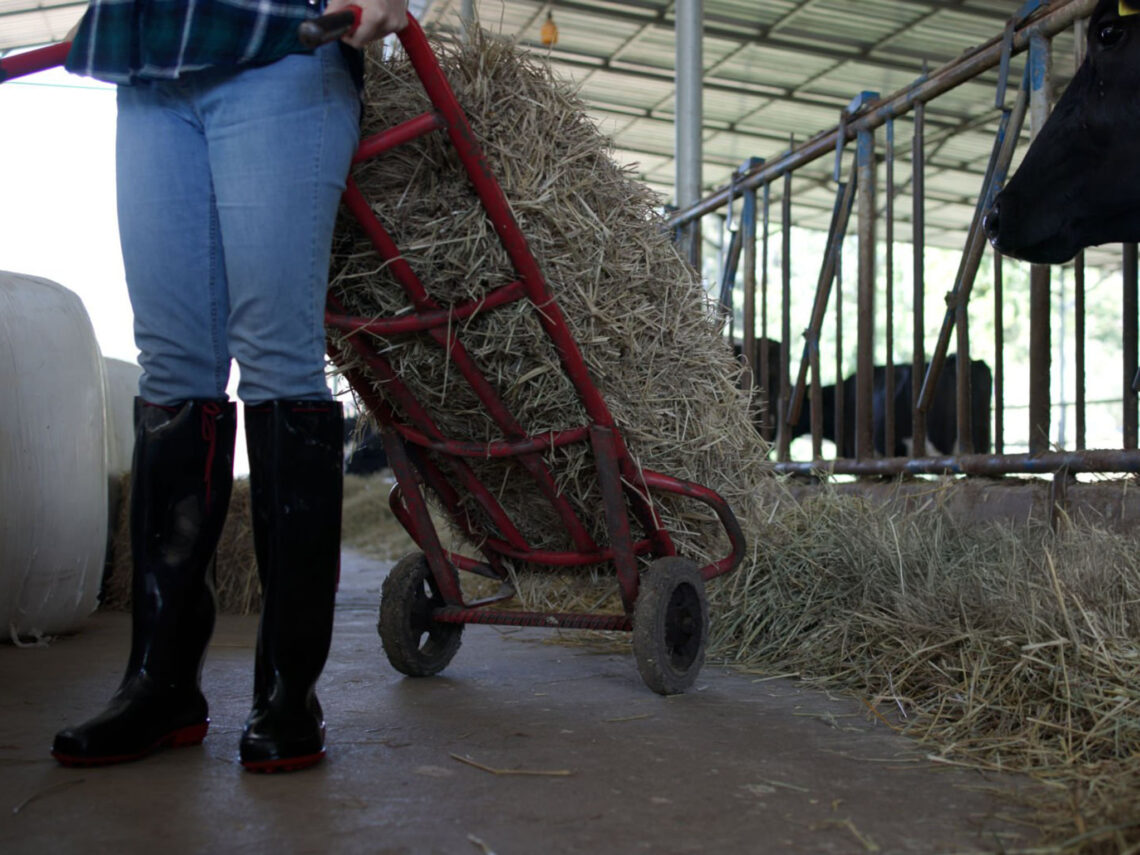
Cold-Weather Feed Planning: Keeping Cattle in Top Shape All Winter
When temperatures drop and pastures lie dormant, livestock managers face one of the toughest challenges of the year: keeping cattle healthy, strong, and productive through winter. Cold weather increases energy demands, reduces forage availability, and places extra stress on animals. Without a solid feed strategy, herds can lose condition, reproductive performance may suffer, and veterinary issues can arise.
The good news? With careful cold-weather feed planning, you can maintain body condition scores (BCS), support immune health, and set your cattle up for success when spring arrives.
Why Winter Feed Planning Matters
Cold stress begins when temperatures drop below an animal’s lower critical temperature (LCT)—the point where cattle must burn additional energy just to stay warm. For many beef cows with a dry winter coat, this is around 32°F, but if their coat is wet or winds are strong, the threshold rises significantly.
- Increased energy needs: Every 1°F below the LCT can increase energy requirements by 1–2%.
- Forage shortages: Dormant pastures and frozen ground limit grazing, putting more pressure on stored feed.
- Reproductive health: Thin cows entering calving season risk weaker calves and lower milk production.
Planning ahead ensures you’re not scrambling when snow covers the pasture.
Step 1: Evaluate Body Condition Before Winter
A Body Condition Score (BCS) check in late fall is the foundation of winter feed planning. Cows should ideally enter winter at a BCS of 5–6 (on a 9-point scale) for beef cattle, ensuring they have enough reserves to handle cold stress.
- Thin cows (BCS 4 or below): Require higher-quality feed or supplemental grain.
- Over-conditioned cows (BCS 7+): Can handle lower-quality forages but still need balanced nutrition.
Grouping cattle by BCS allows more efficient feed allocation.
Step 2: Test and Balance Forages
Not all hay bales are created equal. Forage testing is a low-cost step that prevents underfeeding or wasting expensive supplements.
- Analyze crude protein, energy (TDN), and fiber levels.
- Match hay quality to cattle needs:
- High-producing or late-gestation cows → higher-quality hay.
- Dry cows in early gestation → lower-quality forage.
- Fill nutrient gaps: If protein or energy levels fall short, add supplements like distillers’ grains, soybean meal, or range cubes.
Step 3: Adjust Energy for Cold Stress
When temperatures plummet, the biggest challenge is meeting higher energy requirements.
- Increase forage intake: Provide free-choice hay and ensure access isn’t restricted by frozen feed rings or mud.
- Add energy supplements: Grain, corn silage, or high-energy blocks can help when hay alone doesn’t cut it.
- Avoid sudden ration changes: Make gradual adjustments to protect rumen health.
Step 4: Don’t Forget Protein and Minerals
Energy often takes the spotlight, but protein and minerals are equally critical for cattle health in winter.
- Protein: Supports rumen microbes that break down fibrous hay. Without enough protein, cows can’t fully use low-quality forages.
- Minerals and vitamins: Provide free-choice mineral with added magnesium, copper, and selenium. Vitamin A and E supplementation is important when green forage is absent.
Step 5: Provide Plenty of Water
It’s easy to overlook water in freezing weather, but intake is crucial for digestion and feed efficiency.
- Keep tanks thawed: Use heated waterers or tank heaters.
- Monitor ice buildup: Break ice daily if heaters aren’t available.
- Encourage intake: Cattle drink more when water temperature is above freezing, improving forage utilization.
Step 6: Manage Feed Delivery and Access
Even the best ration fails if cattle can’t access it fairly.
- Space out feeding areas: Reduce competition by providing at least 24–30 inches of bunk space per head.
- Rotate feeding sites: Prevent mud and manure buildup in one area, which can reduce feed intake and increase health risks.
- Feed at consistent times: Helps cattle maintain stable rumen function.
Step 7: Monitor and Adjust Throughout Winter
No feed plan is “set it and forget it.” Keep watch on your herd’s condition and the weather forecast.
- Body condition checks every 30–45 days help catch weight loss before it becomes critical.
- Adjust rations for cold snaps: Temporary energy boosts during arctic fronts can prevent weight loss.
- Plan for late gestation: Increase energy and protein needs as cows near calving.
Final Thoughts
Winter feeding is about more than just keeping cattle alive—it’s about positioning your herd for reproductive success, healthy calving, and strong spring performance. By testing forages, balancing rations, monitoring body condition, and planning for cold stress, you can ensure your cattle stay in top shape all winter long.
A proactive feeding program not only saves money on wasted supplements but also reduces health risks, making your herd more resilient year after year.


You May Also Like

How to Tell When Your Garden Soil Is Ready to Be Worked After Winter

Best Boots for Deer Hunting in Rain: Waterproof Footwear for Wet Woods, Muddy Trails, and Long Sits