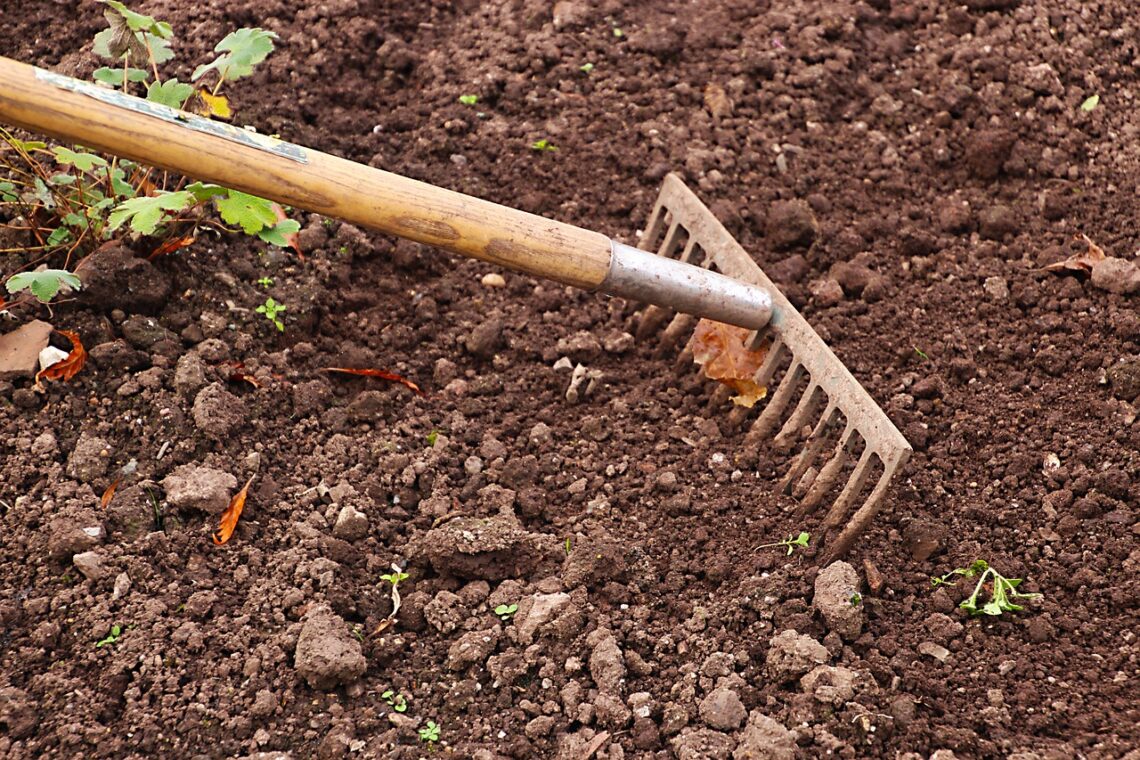
Garden Bed Reset: Preparing Soil for a Strong Spring Start
As the gardening season winds down, many growers turn their attention to one of the most important tasks of the year: resetting garden beds. A thoughtful fall reset doesn’t just tidy up the landscape; it lays the foundation for healthier, more productive crops in the spring. By taking time to prepare the soil now, you’ll be rewarded with stronger root systems, higher yields, and fewer pest and weed problems when warm weather returns.
In this guide, we’ll walk through the key steps to resetting your garden beds in fall and early winter so your soil is primed for a vibrant spring start.
Why a Fall Garden Bed Reset Matters
Many gardeners are tempted to call it quits once the harvest is over, but leaving beds untouched can create challenges down the road. Spent plants, weeds, and compacted soil don’t just look messy—they harbor pests, disease, and nutrient imbalances.
A proper reset:
- Breaks disease cycles by removing infected plant material.
- Restores soil nutrients depleted by heavy-feeding summer crops.
- Improves structure and aeration before winter’s freeze-thaw cycle.
- Prevents erosion and weed growth with mulch or cover crops.
Think of it as giving your soil a well-deserved recharge before its next big job.
Step 1: Clear Out Spent Plants and Weeds
Start by pulling up any remaining annuals and vegetables that are past their prime. While it may be tempting to leave stalks in place, many crops—especially tomatoes, cucumbers, and squash—carry diseases that overwinter in stems and roots.
- Compost healthy debris: If the plants are free of disease or pests, chop them up and add them to your compost pile.
- Dispose of diseased material: Burn or bag diseased plants instead of composting to avoid reintroducing pathogens into your garden.
- Weed thoroughly: Fall weeds set seed quickly, and leaving them behind guarantees headaches in spring.
Step 2: Loosen and Aerate the Soil
After a season of growth and harvesting, soil often becomes compacted. Loosening it now helps oxygen and water penetrate more easily in spring.
- Hand till or broadfork: Work the top 6–8 inches of soil gently, being careful not to over-till and destroy beneficial soil structure.
- Add organic matter: Mix in compost, leaf mold, or well-aged manure to enrich the soil. This replenishes nutrients and improves microbial activity.
Step 3: Test and Amend the Soil
Fall is the ideal time to test your soil since amendments have months to break down and take effect before spring planting.
- Soil test kits: Check for pH, nitrogen, phosphorus, and potassium levels.
- pH adjustments: Add lime if the soil is too acidic, or elemental sulfur if it’s too alkaline.
- Nutrient boosts: Incorporate bone meal, kelp meal, or rock phosphate based on deficiencies.
These targeted amendments will ensure that your garden beds start spring with the right nutrient balance.
Step 4: Add Mulch or Cover Crops
Bare soil left through winter is vulnerable to erosion, compaction, and nutrient leaching. Protect it with one of two strategies:
- Mulching: Spread a 2–3 inch layer of organic mulch such as shredded leaves, straw, or wood chips. This insulates soil, prevents weeds, and slowly breaks down into organic matter.
- Cover cropping: Plant hardy species like winter rye, clover, or hairy vetch. These “green manures” add nitrogen, suppress weeds, and improve soil structure when tilled under in spring.
Step 5: Edge, Define, and Plan
A garden bed reset isn’t just about soil—it’s also about structure. Take this time to:
- Re-edge beds: Sharpen the borders with a spade for clean lines.
- Repair raised beds: Replace warped boards, fix loose corners, and top off with fresh soil.
- Plan rotations: Map out where each crop will go next year to reduce disease pressure and improve yields.
Step 6: Let the Soil Rest
Perhaps the most overlooked step in a garden bed reset is simply letting the soil rest. By covering it and avoiding disturbance during winter, you allow microbial life to rebuild and organic matter to break down naturally.
Come spring, you’ll find rich, crumbly soil that’s easy to work and full of life.
Final Thoughts
Resetting your garden beds in fall is one of the smartest investments you can make as a gardener. It doesn’t require expensive equipment or complicated techniques—just some thoughtful cleanup, soil enrichment, and protection.
When you step into your garden next spring, you won’t be starting from scratch—you’ll be building on months of quiet preparation. With beds already primed for planting, your crops will have the best possible foundation for vigorous growth and abundant harvests.


You May Also Like

Best Waterproof Boots for Farm Work: A Complete Buying Guide for Farmers and Ranchers

Early Spring Forage Assessment: Knowing When Pastures Are Ready