Leaf Mold Magic: Turning Autumn Piles into Rich Garden Soil
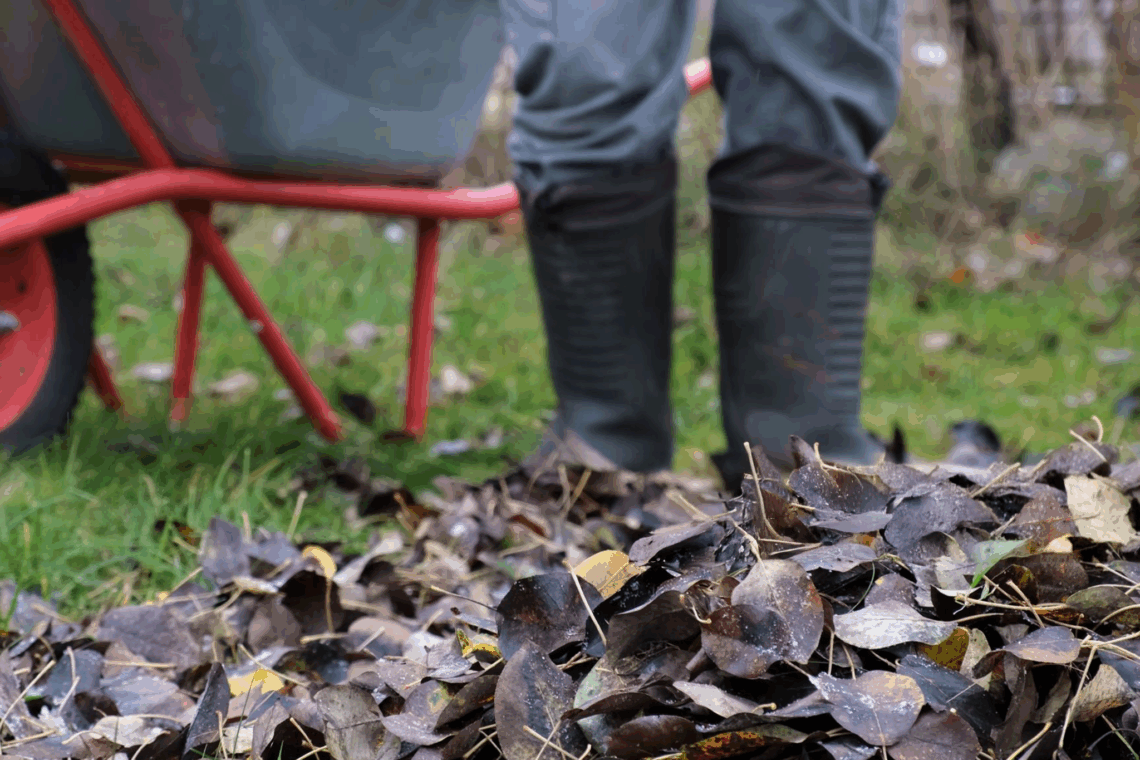
As autumn leaves drift to the ground, many homeowners see them as a messy chore to rake up and discard. But savvy gardeners know that those colorful piles hold a secret treasure: leaf mold. This dark, crumbly, earthy-smelling material is one of the best soil conditioners you can add to your garden. It’s free, natural, and simple to make—all while keeping waste out of landfills.
In this guide, we’ll explore what leaf mold is, why it’s so valuable, and how you can transform autumn leaves into rich garden gold that sets your soil up for long-term success.
What Is Leaf Mold?
Leaf mold is created when leaves break down through fungal decomposition rather than bacterial composting. Unlike traditional compost, which is nutrient-rich, leaf mold is primarily a soil conditioner. Its greatest strength lies in improving soil structure, moisture retention, and aeration. Think of it as nature’s version of peat moss, but far more sustainable.
When finished, leaf mold looks like dark, crumbly soil and feels spongy in your hands. It can take anywhere from 6 months to 2 years to fully mature, depending on the method you choose.
Why Gardeners Love Leaf Mold
Adding leaf mold to your garden comes with several benefits that go beyond recycling autumn leaves:
- Improves Soil Structure – Sandy soils hold water better, and clay soils drain more easily when amended with leaf mold.
- Moisture Retention – Leaf mold can hold up to 500% of its weight in water, making it a lifesaver during dry spells.
- Boosts Microbial Life – The fungal breakdown process enriches the soil food web, supporting healthier root growth.
- Eco-Friendly – By using leaves instead of bagging them for disposal, you reduce waste and create a sustainable soil amendment.
- Cost-Free Soil Amendment – Unlike store-bought compost or peat moss, leaf mold costs nothing but a little time and effort.
How to Make Leaf Mold
Creating leaf mold is one of the easiest gardening projects you can take on. Here are two popular methods:
1. The Pile Method (Hands-Off Approach)
- Step 1: Rake your leaves into a large pile in a shady, out-of-the-way spot.
- Step 2: Moisten the pile so it’s damp but not soggy.
- Step 3: Let nature take its course. Turn the pile once or twice a year to speed up decomposition.
👉 Timeframe: About 1–2 years, depending on climate and leaf type.
2. The Bag Method (Space-Saving Approach)
- Step 1: Shred your leaves with a mower or leaf shredder. Smaller pieces break down faster.
- Step 2: Stuff the shredded leaves into black plastic bags.
- Step 3: Moisten lightly, tie the bags, and poke a few air holes for airflow.
- Step 4: Store them in a shady spot and check periodically.
👉 Timeframe: 6–12 months, much quicker than the pile method.
Tips for Faster Breakdown
- Shred Leaves First – Whole leaves, especially oak and sycamore, take longer to decompose. Shredding speeds the process dramatically.
- Keep Moist – Like a wrung-out sponge, not too dry and not too soggy.
- Mix Leaf Types – Softer leaves (maple, birch, fruit trees) decompose quicker than tougher ones. A mix balances the pile.
- Add a Little Nitrogen – A sprinkle of grass clippings or blood meal can help fungi get a head start.
How to Use Leaf Mold in the Garden
Once your leaf mold has transformed into rich, dark material, the possibilities are endless:
- Soil Conditioner: Work it into garden beds to improve texture and drainage.
- Mulch: Spread a 2–3 inch layer around perennials, shrubs, or vegetable crops to conserve moisture.
- Seed Starting Mix: Blend with compost and sand for a lightweight, moisture-retentive medium.
- Top Dressing for Lawns: Sift leaf mold over your yard in spring to improve soil health without smothering grass.
The Bottom Line
Leaf mold is one of gardening’s best-kept secrets—an easy, no-cost way to enrich your soil while recycling autumn leaves. By transforming what many see as yard waste into a powerful soil amendment, you’ll boost your garden’s resilience, cut down on watering needs, and build healthier, more productive soil for years to come.
This fall, instead of bagging your leaves for the curb, try starting a pile or filling a few bags. A little patience will reward you with black gold for your garden—proof that sometimes, the simplest solutions are the most effective.


You May Also Like
Late Fall Pruning: Setting Trees and Shrubs Up for Spring

Best Boots for Plant Nursery Work: Waterproof Footwear for Irrigation, Wet Gravel, Mud, and Long Workdays