
Spring Rain and Runoff: Protecting Your Pastures and Streams
Spring brings life back to pastures across the United States, but it also brings heavy rain, snowmelt, and the risk of runoff that can damage pastures and pollute nearby streams. For ranchers, managing water flow during early spring is essential to protect soil, forage, livestock, and the surrounding environment. With proper planning and management, you can reduce erosion, prevent nutrient loss, and maintain healthy pasture ecosystems.
Understanding Spring Runoff and Its Risks
Spring runoff occurs when rainwater or melting snow flows over saturated ground instead of being absorbed into the soil. This runoff can have several negative impacts on ranch operations:
- Soil Erosion: Topsoil, which is rich in nutrients, can be washed away, reducing pasture productivity.
- Water Pollution: Nutrients, fertilizers, and manure can enter streams, affecting water quality for livestock and wildlife.
- Pasture Damage: Muddy areas become compacted, reducing grass regrowth and pasture usability.
- Infrastructure Stress: Fences, gates, and water systems near runoff paths can be damaged.
Key Strategies to Protect Pastures and Streams
1. Assess and Map Your Land
- Identify low-lying areas prone to standing water or fast runoff.
- Mark stream banks, ponds, and wetlands that need protection from livestock or sediment.
- Create a simple map showing pasture slopes, water sources, and high-traffic areas for better planning.
Pro Tip: Mapping runoff patterns helps you prioritize interventions and prevent costly damage.
2. Implement Rotational Grazing
- Move livestock off wet or heavily impacted pastures to prevent soil compaction.
- Rotate paddocks to allow grass recovery and reduce erosion in high-traffic areas.
- Use sacrifice paddocks with firm ground to limit pasture damage during wet periods.
Pro Tip: Avoid grazing during heavy rains or immediately after snowmelt to protect fragile soil.
3. Improve Drainage
- Ditches and Swales: Divert water away from critical pasture areas and fence lines.
- French Drains or Rock Beds: Direct water from gates, feeding areas, and access roads.
- Grass Buffers: Plant native grasses or clover along stream banks to filter runoff and stabilize soil.
Pro Tip: Well-designed drainage reduces mud, prevents erosion, and protects water quality.
4. Protect Stream Banks and Riparian Zones
- Fencing: Keep livestock away from stream banks to prevent bank collapse and contamination.
- Vegetative Buffers: Plant willows, shrubs, or grasses along streams to absorb nutrients and sediment.
- Water Access Points: Build controlled watering areas with gravel pads to reduce direct bank erosion.
Pro Tip: Healthy riparian zones improve water quality and provide habitat for wildlife while sustaining pasture health.
5. Manage Manure and Fertilizers
- Avoid spreading manure or fertilizers on saturated soils, as rain will wash nutrients into streams.
- Compost manure before spreading to reduce nutrient runoff and pathogen risk.
- Apply fertilizers based on soil tests and pasture needs, not just tradition.
6. Maintain Infrastructure
- Gates and Fences: Inspect and reinforce areas near water flow paths.
- Access Roads: Build gravel or raised pathways to reduce erosion and mud near pastures.
- Water Systems: Ensure pumps, troughs, and pipelines are secure against flooding or runoff damage.
Pro Tip: Early spring inspections prevent small issues from turning into costly repairs after heavy rains.
7. Monitor and Adjust Throughout Spring
- Observe pasture recovery and runoff patterns regularly.
- Adjust grazing, drainage, and feeding strategies based on rainfall and soil conditions.
- Keep records of water flow, erosion areas, and repair needs for future planning.
Seasonal Considerations for Spring Runoff
- Heavy Rain Events: Be prepared to move livestock or reinforce vulnerable areas during storms.
- Snowmelt: Early spring thaw often contributes more runoff than rainfall alone.
- Temperature Swings: Freeze-thaw cycles can create ice layers that prevent water absorption, increasing runoff.
Final Thoughts
Protecting pastures and streams during spring rain and runoff is essential for long-term pasture productivity, livestock health, and environmental stewardship. By assessing land, implementing rotational grazing, improving drainage, protecting riparian zones, managing nutrients, and maintaining infrastructure, ranchers can reduce erosion, maintain healthy pastures, and prevent water contamination.
Early spring attention to runoff management not only safeguards your ranch investment but also ensures your pastures thrive and streams remain clean for livestock, wildlife, and the surrounding community.


You May Also Like
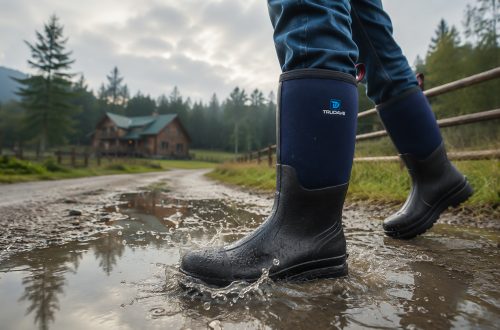
Stop Buying the Wrong Rain Boots: A Field Guide to Picking the Perfect Pair

Frozen Pastures: Managing Grazing When the Grass Stops Growing