Rotational Grazing in Early Spring: Best Practices
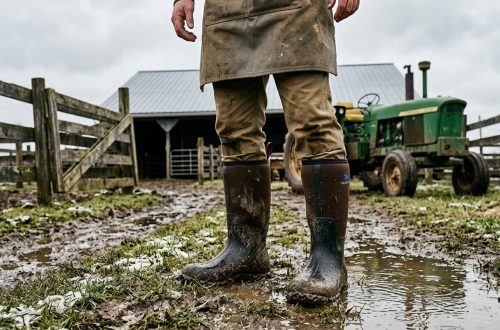
Early spring is a critical time for U.S. ranchers to implement effective rotational grazing practices. As pastures awaken from winter dormancy, careful management can maximize forage growth, prevent soil damage, and support healthy livestock. Improper grazing during this season can lead to soil compaction, pasture overuse, and reduced forage productivity for the rest of the year. Understanding the best practices for early spring rotational grazing ensures a strong start to the grazing season.
Why Early Spring Rotational Grazing Matters
Winter leaves pastures vulnerable: snowmelt, frozen ground, and early rains create muddy, fragile soils. Overgrazing or unrestricted livestock movement during this time can:
- Damage Grass Roots: Early regrowth is delicate and easily trampled.
- Increase Soil Compaction: Muddy soil plus heavy livestock can reduce water infiltration and aeration.
- Spread Parasites: Concentrated grazing in wet areas promotes parasite transmission.
- Reduce Forage Productivity: Mismanaged grazing limits pasture growth throughout the season.
By using rotational grazing, ranchers can protect pastures while allowing animals to access fresh forage.
Planning Your Early Spring Rotation
1. Assess Pasture Conditions
- Walk the fields to evaluate soil firmness, grass height, and wet spots.
- Identify areas prone to flooding or heavy mud and restrict access temporarily.
- Map pastures into manageable paddocks for controlled grazing.
Pro Tip: Avoid grazing in pastures until the ground is firm enough to support livestock without excessive compaction.
2. Determine Stocking Density
- Adjust livestock numbers based on pasture condition and size.
- In early spring, reduce stocking density to protect fragile forage and soil.
- Use temporary fencing to subdivide larger paddocks for better control.
3. Set Rotation Intervals
- Allow grazed paddocks enough rest time for grass to recover.
- In early spring, grass growth is slow, so longer rest periods (3–4 weeks) may be needed.
- Track pasture use to prevent overgrazing and uneven regrowth.
Pro Tip: Use a grazing calendar to plan rotations and rest periods, adjusting based on rainfall and soil moisture.
4. Manage High-Traffic and Muddy Areas
- Protect areas near gates, water sources, and feeding sites with gravel, straw, or portable panels.
- Avoid grazing when soils are saturated to prevent rutting and compaction.
- Consider sacrifice paddocks for early spring supplemental feeding.
5. Monitor Forage and Soil Health
- Measure grass height regularly to ensure livestock are not overgrazing.
- Check soil for compaction and signs of erosion.
- Maintain proper rest and recovery for paddocks to support early-season growth.
6. Implement Animal Health Practices
- Early spring rotational grazing can help reduce parasite exposure by moving livestock off contaminated areas.
- Monitor livestock for weight gain, hoof health, and overall condition.
- Adjust nutrition if pasture growth is limited.
Pro Tip: Rotational grazing combined with pasture rotation for parasite management improves herd health naturally.
7. Use Flexible Fencing Systems
- Portable electric fencing allows quick adjustments to paddock sizes.
- Adjustable fencing helps protect muddy areas and manage forage efficiently.
- Plan fencing layouts in advance to optimize rotation and minimize labor.
8. Plan for Long-Term Pasture Productivity
- Early spring rotational grazing sets the stage for summer and fall forage availability.
- Incorporate rest periods, soil amendments, and reseeding as needed.
- Monitor pasture recovery to make informed decisions for mid-season rotations.
Seasonal Considerations
- Weather Variability: Early spring can have sudden rains and cold snaps—adjust grazing schedules accordingly.
- Soil Moisture: Avoid grazing when soils are too wet to prevent damage.
- Forage Growth: Grass may grow slowly at first; patience ensures long-term pasture health.
Final Thoughts
Early spring rotational grazing is a cornerstone of successful ranch management in the U.S.. By assessing pasture conditions, adjusting stocking density, rotating paddocks, protecting muddy areas, and monitoring livestock health, ranchers can maximize forage production, maintain healthy soils, and reduce long-term pasture damage.
Starting the grazing season with a thoughtful rotational strategy ensures that both pastures and livestock thrive, setting the stage for a productive year ahead.


You May Also Like
Best Boots for Seaweed and Kelp Farming: Footwear for Workboats, Wet Docks, Harvest Lines, and Cold Saltwater
Best Boots for Corn Farm Work: Waterproof Footwear for Muddy Fields, Planting, Harvest, and Grain Handling