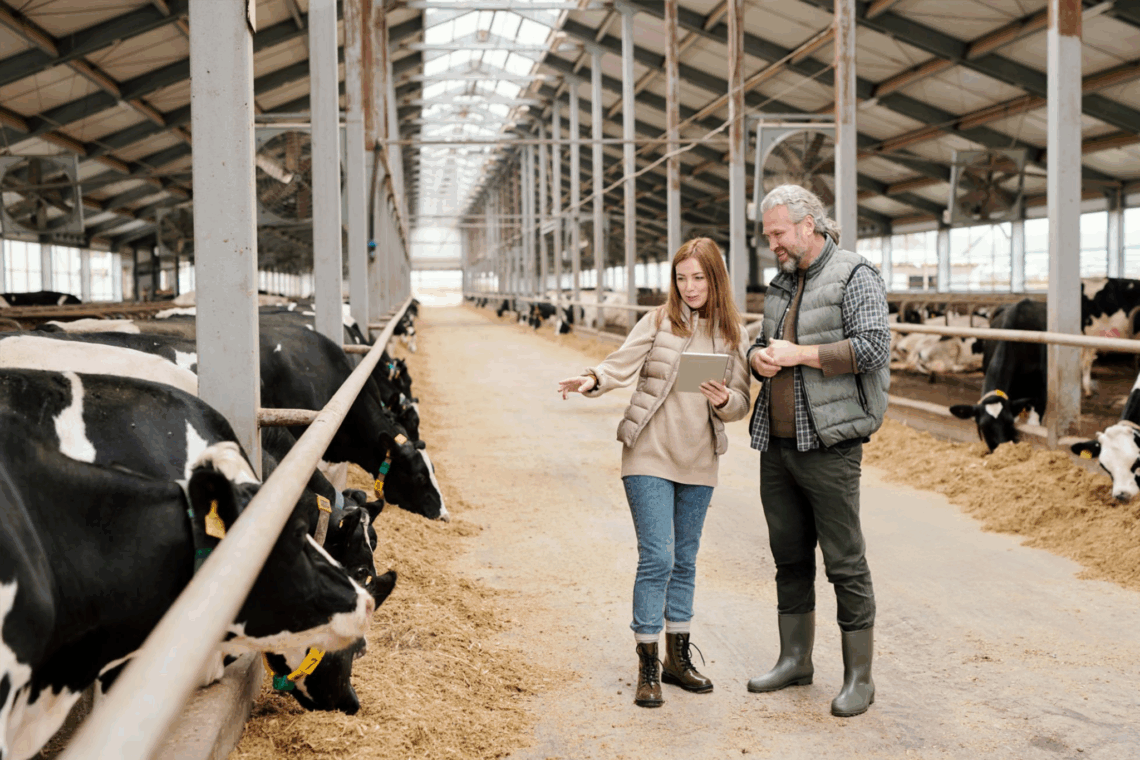
Lighting Up the Long Nights: Power Solutions for Remote Barns
When winter settles in and daylight fades early, a well-lit barn becomes more than a convenience—it’s a necessity. Whether you’re checking livestock at 5 a.m., repairing equipment after dark, or keeping waterers from freezing, reliable lighting and power make ranch life safer and more efficient. Yet for remote barns located far from the main power grid, finding the right energy solution takes planning, creativity, and a bit of modern technology.
In this article, we’ll break down smart, practical ways to keep your barns bright and powered through long nights—without draining your wallet or depending solely on the grid.
1. Why Barn Lighting Matters More in Winter
Shorter days and longer nights mean ranchers spend more hours working in the dark. From feeding and calving to equipment checks, lighting directly affects safety and productivity. Poor lighting can lead to slips, injuries, or missed signs of animal distress.
Beyond visibility, proper lighting also reduces livestock stress—animals are calmer and easier to manage in evenly lit spaces. For poultry and dairy barns, consistent light cycles even influence production levels.
But when your barn sits at the edge of your property—or miles from a power line—you need dependable, stand-alone solutions that handle cold, wind, and isolation.
2. Solar Power: Harnessing the Free Resource Above
One of the most efficient and sustainable ways to power remote barns is through solar energy. Today’s off-grid solar systems are rugged, reliable, and cost-effective—perfect for agricultural applications.
Advantages of Solar Barn Systems:
- ✅ Independent power — no need to run long, expensive utility lines.
- ✅ Low maintenance — panels require minimal upkeep once installed.
- ✅ Scalable — start small with lighting and expand to power gates, fans, or cameras.
- ✅ Silent operation — no generator noise spooking livestock.
Pro Tip: Pair your solar panels with deep-cycle batteries designed for cold temperatures. Lithium batteries, though pricier, perform better in freezing weather and store power more efficiently than traditional lead-acid models.
3. Hybrid Systems: The Best of Both Worlds
In areas with unpredictable sunlight, combining solar and wind power creates a dependable hybrid system. Wind turbines generate electricity during storms and cloudy days when solar output drops—making them ideal companions through winter’s volatile weather.
For small to mid-size barns, a 400–1000W wind turbine can supplement solar panels and extend battery life. The result? Steady, renewable power that keeps your lights on regardless of the forecast.
If you already have a grid connection, consider a grid-tied hybrid system. This setup allows you to use renewable power first and fall back on grid electricity only when needed—reducing costs and ensuring reliability.
4. Backup Generators: The Old Reliable
Even with renewables, every remote setup benefits from a generator backup—especially in emergencies. Diesel and propane generators remain top choices for rural properties due to their longevity and high power output.
To make the most of your generator:
- Keep fuel stabilized and stored safely.
- Use a transfer switch to safely alternate between generator and solar/battery power.
- Run the generator occasionally during cold snaps to prevent starting issues.
Smart Tip: Install a battery tender to keep your generator’s starter battery charged during long idle periods. Nothing’s worse than a dead generator when you need it most.
5. LED Lighting: Bright, Efficient, and Durable
When it comes to barn lighting, LED fixtures outperform every traditional option. They draw far less power, last for tens of thousands of hours, and emit minimal heat—important for preventing fire risks in hay storage areas.
Choose weatherproof, dustproof LED lights with at least an IP65 rating. These handle moisture, cold, and barn dust without flickering or shorting out. Motion sensors and timers can also cut energy use dramatically by ensuring lights only run when needed.
Lighting layout tip:
- Use wide-beam LEDs for general areas.
- Add task lighting (focused beams) over feed bins, gates, and workbenches.
- Consider solar-powered LED floodlights for outdoor entryways or drive paths.
6. Smart Controls for Smarter Energy Use
Advancements in smart barn technology let you monitor and control power remotely. With Wi-Fi or cellular-enabled systems, you can:
- Turn lights on/off from your phone.
- Check battery levels or generator fuel remotely.
- Automate lighting schedules to mimic natural daylight cycles.
This not only saves energy but also ensures you’re never walking into a dark, unsafe barn again.
7. Insulation and Efficiency: Making Power Last
A well-insulated barn retains warmth and conserves energy. Seal drafts around doors and windows, insulate water lines, and consider reflective barriers that maximize existing light. The more efficient your building, the less power you’ll need for heat lamps, de-icers, and lighting.
8. Building for the Long Haul
When designing or upgrading a remote barn, think long-term. Invest in modular systems that allow expansion—more panels, larger batteries, or added outlets—as your operation grows.
Also, check for agriculture energy grants or tax credits through programs like the USDA’s REAP (Rural Energy for America Program), which helps cover renewable energy installations for farms and ranches.
Final Thoughts
Lighting up the long nights isn’t just about convenience—it’s about safety, productivity, and sustainability. Whether you choose solar, wind, or hybrid systems, reliable barn power keeps your livestock healthy, your tools ready, and your schedule running no matter how deep the snow or how long the night.
By combining modern renewable technology with classic rural know-how, you can turn your remote barn into a bright, energy-efficient hub that works as hard as you do.


You May Also Like
Slippery When Wet: The Science of Traction and Why Trudave Gear Rain Boots Keep You Upright When the Ground Tries to Take You Down
Simple Ways to Boost Pasture Recovery After a Long Winter