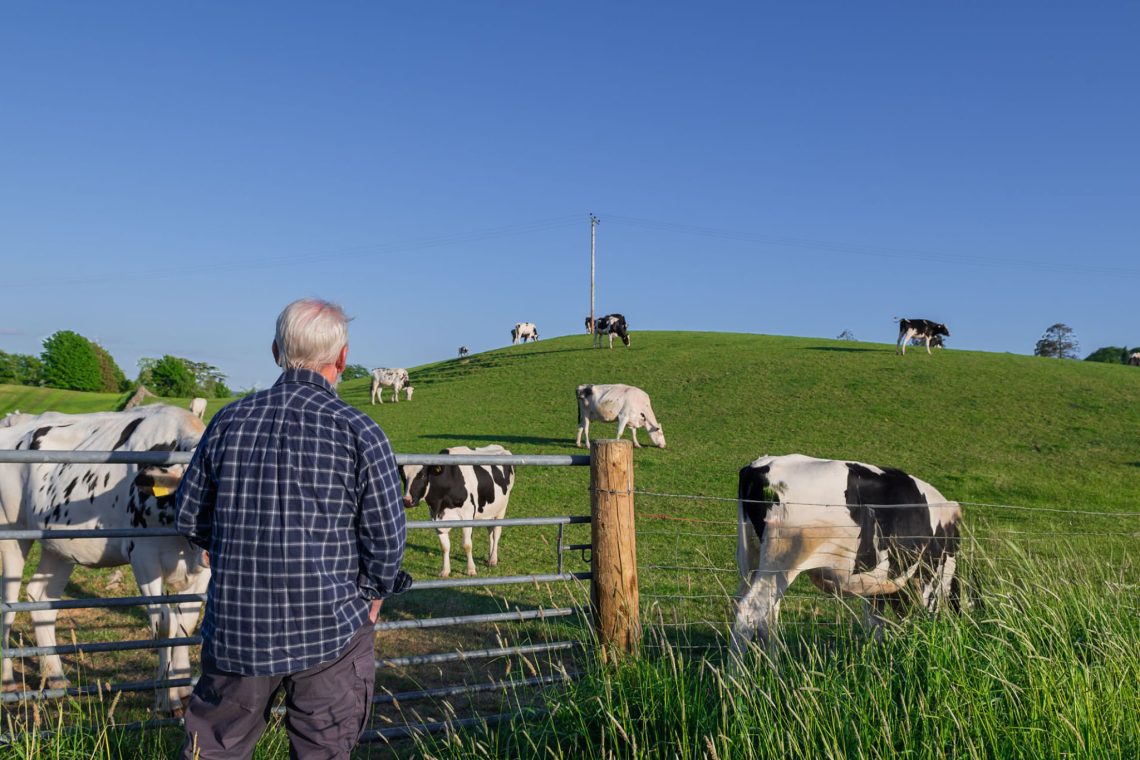
How to Evaluate Pasture Strength Before First Grazing Rotation
The first grazing rotation of the year sets the tone for your entire pasture season. Turn livestock out too early, and you risk weakening root systems, slowing regrowth, and permanently reducing total forage yield. Wait until pasture strength is fully established, and you create the foundation for faster recovery, healthier forage, and more efficient grazing cycles throughout spring and summer.
Evaluating pasture strength is not about grass height alone. True pasture readiness depends on root stability, soil structure, plant energy reserves, and the pasture’s ability to recover after grazing pressure.
This guide explains how to accurately evaluate pasture strength before first turnout, using proven field indicators that experienced ranchers rely on.
Why Pasture Strength Matters More Than Grass Appearance
Early spring pasture often looks ready before it actually is. Green color and visible growth can be misleading because the most important recovery happens below ground.
Grass plants rely on stored energy in their roots to fuel early growth. Until those energy reserves are replenished, the plant remains vulnerable.
If grazed too early:
- Root growth slows or stops
- Regrowth becomes delayed
- Total seasonal forage production drops
- Recovery time between rotations increases
Strong pasture can tolerate grazing and recover quickly. Weak pasture cannot.
Evaluating strength ensures you protect long-term productivity.
The First Indicator: Root Anchoring Strength
The simplest and most reliable test is the pull test.
Grasp a handful of grass and pull upward firmly.
What to Look For:
Strong pasture:
- Grass resists pulling
- Roots hold firmly in soil
- Plants remain anchored
Weak pasture:
- Plants pull out easily
- Roots detach from soil
- Soil surface shifts or lifts
Strong root anchoring means the plant has re-established structural stability and can tolerate grazing stress.
Weak anchoring indicates incomplete recovery.
The Second Indicator: Leaf Development Stage
Grass strength depends heavily on leaf development stage.
Most cool-season grasses need to reach the 3-leaf stage before they can safely handle grazing.
At this stage:
- Photosynthesis is fully active
- Root energy reserves begin replenishing
- Growth becomes self-sustaining
Before this stage, plants rely heavily on stored energy and are vulnerable to damage.
How to Check:
Examine individual grass plants and count fully formed leaves.
- Less than 3 leaves: Not ready
- 3 or more leaves: Stronger and more resilient
This is one of the most reliable biological readiness indicators.
The Third Indicator: Soil Load-Bearing Strength
Even if grass appears ready, soil must be able to support animal weight.
Walk across the pasture and observe how the soil responds.
Signs Soil Is Ready:
- Minimal footprint depth
- Firm surface under pressure
- No visible water pooling
- Soil does not shift or smear
Signs Soil Is Still Weak:
- Deep footprints
- Mud sticking heavily to boots
- Soft or spongy feel
- Surface displacement
Weak soil leads to compaction and root damage.
Strong soil protects plant structure.
The Fourth Indicator: Grass Recovery Speed
Healthy pasture shows visible regrowth even during early spring.
Look for:
- New leaf formation
- Consistent green coloration
- Upright leaf structure
- Even growth across the field
Slow or uneven growth often signals weak root systems or stressed plants.
Strong pasture grows consistently.
The Fifth Indicator: Root Depth Development
Early in the season, root systems are still rebuilding.
Dig a small sample section to examine root depth and density.
Healthy roots appear:
- White or light colored
- Firm and dense
- Well attached to soil
Weak roots appear:
- Thin and sparse
- Shallow
- Discolored or weak
Deep, dense roots indicate pasture strength and readiness.
The Sixth Indicator: Soil Moisture Balance
Excess moisture weakens soil structure and reduces pasture durability.
Ideal soil conditions are:
- Moist but not saturated
- Firm but not hard
- Well-drained
Avoid grazing when soil is saturated, even if grass appears ready.
Soil strength is just as important as plant strength.
The Seventh Indicator: Plant Resistance to Pressure
Step firmly on grass-covered areas and observe how plants respond.
Strong pasture will:
- Spring back quickly
- Maintain upright structure
- Show minimal flattening
Weak pasture will:
- Stay flattened
- Show broken stems
- Struggle to recover shape
Plant resilience indicates structural readiness.
The Eighth Indicator: Uniform Growth Across the Pasture
Pastures rarely recover evenly.
Some areas become ready earlier than others.
Evaluate:
- Low spots
- Shaded areas
- High traffic zones
- Previously overgrazed sections
Weak zones should be avoided until they fully recover.
Strong zones can be used first.
Why Early Grazing Can Permanently Reduce Yield
Grass plants follow a recovery cycle.
If grazed before root systems recover:
- Root growth slows
- Leaf production declines
- Recovery takes longer
- Total forage yield drops
This impact compounds across the entire season.
Proper timing improves long-term productivity.
How Strong Pasture Improves Grazing Efficiency
When pasture strength is fully established:
- Regrowth happens faster
- Rotation cycles shorten
- Forage quality improves
- Grazing capacity increases
Strong pasture supports more productive livestock and healthier land.
Best Strategy: Start Grazing on the Strongest Fields First
Not all pastures recover at the same speed.
Prioritize fields with:
- Strong root anchoring
- Firm soil
- Full sunlight exposure
- Well-developed leaf structure
Delay grazing on weaker areas until strength improves.
This protects overall pasture productivity.
Common Mistakes to Avoid
Many producers make early-season mistakes that weaken pasture for months.
Avoid:
- Grazing based on calendar date instead of pasture condition
- Judging readiness based only on grass height
- Ignoring soil strength
- Grazing during wet conditions
- Allowing livestock unrestricted early access
These mistakes slow recovery and reduce yield.
Long-Term Benefits of Proper Evaluation
Taking time to evaluate pasture strength results in:
- Faster regrowth after grazing
- Higher seasonal forage production
- Healthier root systems
- Reduced soil compaction
- Improved pasture longevity
Strong early-season management creates lasting benefits.
The Golden Rule: Pasture Must Be Strong Enough to Recover, Not Just Survive
Pasture readiness is not about whether grass can survive grazing—it is about whether it can recover quickly afterward.
True readiness means:
- Roots are anchored and growing
- Soil is firm and stable
- Plants are actively producing energy
- Growth continues after grazing pressure
When these conditions are met, pasture can support productive rotation grazing.
Final Thoughts
Evaluating pasture strength before the first grazing rotation is one of the most important management decisions of the year. It directly affects forage production, pasture health, and livestock performance for the entire season.
Strong pasture is built from healthy roots, stable soil, and fully active plant growth—not just early green color.
By carefully assessing root anchoring, soil firmness, plant development, and recovery indicators, ranchers can protect pasture strength and maximize grazing efficiency.
The first grazing decision is not just about feeding livestock today—it is about protecting the productivity of your land for the entire year ahead.


You May Also Like

The Care and Feeding of Your Trudave Rain Boots — How to Turn a 2-Season Boot Into a Decade-Long Companion

The “Waterproof” Myth: What 10 Miles of Wet Grass Taught Me About Rain Boots