Garden Bed Reset: Preparing Soil for a Fertile Spring Start
As winter approaches, many gardeners turn their attention from harvesting to planning. Preparing your garden beds now is essential for ensuring a fertile, productive spring garden. A proper soil reset improves structure, nutrient content, and water retention, setting the stage for healthy plants and abundant harvests when temperatures rise.
1. Why Winter Preparation Matters
Fall and early winter are ideal for soil preparation because:
- Nutrient replenishment: Organic matter breaks down over winter, enriching the soil naturally.
- Soil structure improvement: Frost cycles help loosen compacted soil, improving aeration and drainage.
- Weed reduction: Clearing beds before winter limits weed growth in early spring.
Neglecting this step can result in poor germination, stunted growth, and nutrient deficiencies when spring planting begins.
2. Clearing and Cleaning the Bed
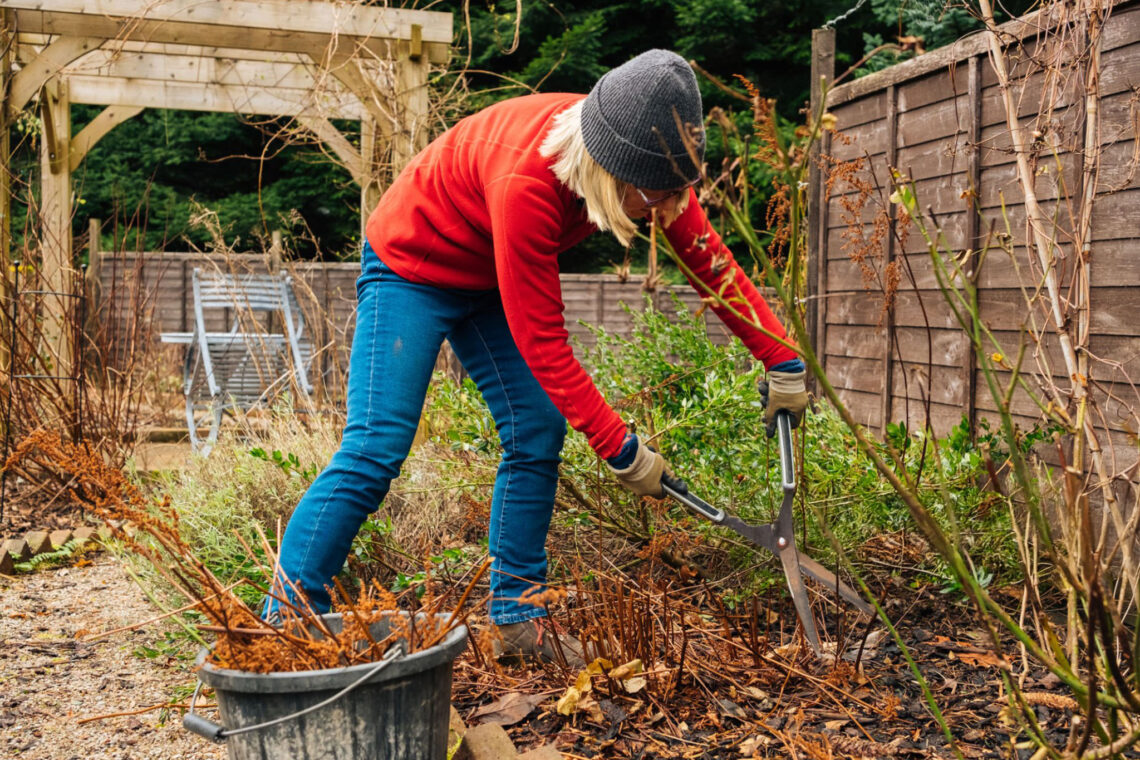
Begin by removing debris such as dead plants, fallen leaves, and old mulch.
- Cut back spent plants at the base to prevent disease and pests from overwintering.
- Compost healthy plant material; avoid diseased leaves or roots.
- Remove weeds completely, roots and all, to reduce spring competition.
This step creates a clean canvas and reduces problems before the new season starts.
3. Testing and Amending Soil
Testing soil now allows for targeted improvements.
- pH Testing: Most vegetables thrive in a slightly acidic to neutral soil (pH 6.0–7.0). Adjust with lime to raise pH or sulfur to lower it.
- Nutrient Analysis: Check levels of nitrogen, phosphorus, and potassium. Incorporate amendments like composted manure, bone meal, or rock phosphate based on deficiencies.
- Organic Matter: Add 2–4 inches of compost, leaf mold, or well-rotted manure to improve fertility, water retention, and microbial activity.
Amending now gives nutrients time to integrate into the soil before spring planting.
4. Enhancing Soil Structure
Cold and wet conditions can compact soil if not handled properly.
- Double Digging or Broadforking: Loosen the soil 8–12 inches deep to improve aeration and root penetration.
- Cover Crops: Plant winter rye, clover, or vetch to prevent erosion, fix nitrogen, and enhance organic matter.
- Mulching: Apply a 2–3 inch layer of straw or shredded leaves to protect the soil surface from freeze-thaw cycles and moisture loss.
These practices result in light, friable soil that warms quickly in spring and supports vigorous root development.
5. Compost and Nutrient Integration
Incorporate a mix of slow-release organic fertilizers and compost:
- Compost: Provides balanced nutrients and boosts microbial life.
- Manure: Well-aged manure adds nitrogen and improves texture.
- Minerals: Add rock dust, greensand, or gypsum to supply trace minerals and improve drainage.
Work amendments gently into the top 6–8 inches of soil to avoid disturbing overwintering microbes.
6. Final Bed Preparation
- Mark planting rows or raised beds for easier spring planting.
- Install drip irrigation or soaker hoses if possible to save time during early spring watering.
- Cover beds with a protective layer (mulch, straw, or landscape fabric) to retain nutrients and warmth.
By doing this, your beds are essentially “set and forgotten” until spring, giving you a head start on planting.
7. Benefits for Spring Planting
Proper winter preparation translates to:
- Faster seed germination due to improved soil warmth and aeration.
- Reduced need for chemical fertilizers because nutrients are already integrated.
- Healthier, more resilient plants thanks to a rich microbial ecosystem.
- Better moisture retention during early spring rains.
Conclusion
Resetting your garden beds in late fall or early winter is one of the most effective ways to guarantee a productive spring garden. By clearing debris, testing and amending soil, improving structure, and adding organic matter, you create the foundation for strong, healthy growth.
A few hours of preparation now can mean higher yields, healthier plants, and a smoother gardening season once spring arrives. Remember, healthy soil is the cornerstone of any successful garden, and a proper winter reset ensures your beds are ready to perform at their best.


You May Also Like

The Wet Grass Menace: How Trudave Rain Boots Solved My Muddy Morning Routine
Best Boots for Horse Farm Work: Waterproof Footwear for Barns, Muddy Paddocks, and Daily Chores
