Managing Muddy Fields: Tips for Early Spring Grazing
Early spring is one of the most challenging times for ranchers across the United States. Melting snow, spring rains, and thawing ground often leave pastures muddy and slippery, making grazing management tricky. Mud not only slows livestock growth and damages pastures but also increases the risk of animal injuries, soil compaction, and disease spread. By implementing smart strategies, ranchers can protect pastures, keep livestock healthy, and optimize forage use even under wet, early spring conditions.
Understanding the Challenges of Early Spring Mud
Before taking action, it’s important to understand why muddy conditions are particularly problematic in early spring:
- Soil Compaction
- Heavy livestock walking on saturated ground compresses soil, reducing water infiltration and root growth.
- Pasture Damage
- Trampling destroys grass, delays regrowth, and creates bare patches prone to erosion.
- Animal Health Risks
- Mud increases the likelihood of hoof problems, infections, and respiratory issues from damp, cold conditions.
- Management Difficulties
- Moving livestock and feeding equipment is harder in muddy conditions, slowing operations and increasing labor time.
Key Strategies for Managing Muddy Fields
1. Rotate Pastures Early and Often
- Avoid Overgrazing: Keep livestock out of overly wet areas to prevent compaction and protect grass crowns.
- Use Temporary Fencing: Portable electric fencing allows you to restrict access to the muddiest paddocks until the ground dries.
- Plan Rotational Grazing: Start with the driest sections and gradually move animals as pastures firm up.
Pro Tip: Even short grazing sessions on muddy fields can stress the soil. Limit grazing time to maintain pasture health.
2. Provide Alternative Feeding Areas
- Sacrifice Areas: Designate dry paddocks or feeding lots for early spring supplemental feeding.
- Hay and Feed Placement: Place feed in areas with good drainage to minimize mud and hoof damage.
- Water Access: Ensure water troughs are located on firm, elevated ground to prevent muddy conditions around watering points.
Pro Tip: Well-managed feeding areas reduce pasture wear and keep livestock healthier during wet periods.
3. Improve Drainage
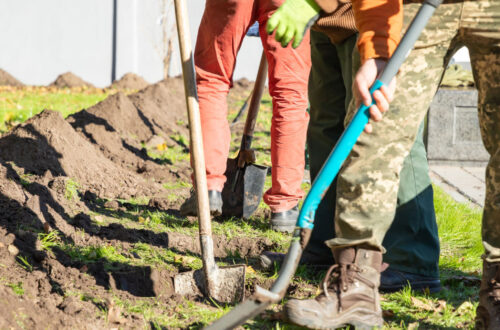
- Ditches and Swales: Dig shallow drainage ditches or swales to direct water away from high-traffic areas.
- Raised Paths: Build gravel or compacted soil walkways to minimize mud where livestock move frequently.
- Grass Buffers: Establish buffer strips around streams or low-lying areas to absorb water and reduce erosion.
Pro Tip: Investing in drainage early can save significant labor and pasture damage throughout the grazing season.
4. Monitor Livestock Health
- Hoof Care: Check for thrush, abscesses, and injuries caused by mud.
- Weight Monitoring: Wet, muddy pastures may reduce grazing efficiency; supplement with hay if necessary.
- Parasite Management: Mud and standing water increase parasite risk; coordinate deworming and pasture rotation accordingly.
5. Adjust Stocking Rates
- Reduce Density: Early spring mud means less usable pasture. Adjust the number of animals per acre to reduce stress on the ground.
- Alternate Species: If feasible, rotate species that cause less soil damage (e.g., sheep instead of cattle) on wet paddocks.
Pro Tip: Matching stocking rates to pasture conditions protects grass and maintains forage production for the rest of the season.
6. Use Temporary Protective Measures
- Straw or Wood Chips: Spread straw, wood chips, or gravel in muddy high-traffic areas to reduce compaction and hoof damage.
- Portable Waterers: Move waterers regularly to avoid mud accumulation in one spot.
- Gates and Chutes: Place gates in firm areas to prevent animals from creating mud funnels.
Seasonal Safety Considerations
- Slips and Injuries: Muddy ground increases the risk of livestock and human slips. Wear high-traction boots when walking fields.
- Cold, Wet Conditions: Ensure animals have shelter to protect from cold, wet weather, reducing stress and disease risk.
- Avoid Early Heavy Traffic: Delay major equipment or livestock movement until soils firm up where possible.
Final Thoughts
Managing muddy fields during early spring is a challenge that all U.S. ranchers face, but proactive planning can mitigate damage and protect both pastures and livestock. By rotating grazing, improving drainage, adjusting stocking rates, and providing alternative feeding areas, ranchers can preserve pasture quality and ensure livestock remain healthy. Early attention to mud management not only boosts forage productivity but also sets the stage for a successful grazing season.
Remember, smart early spring grazing strategies today mean healthier pastures and stronger livestock tomorrow.


You May Also Like

Frost Kissed and Beautiful: Cold-Tolerant Crops Worth Planting Now
The Perfect Fit: How to Find Your Ideal Trudave Rain Boot Size and Solve Common Fit Problems