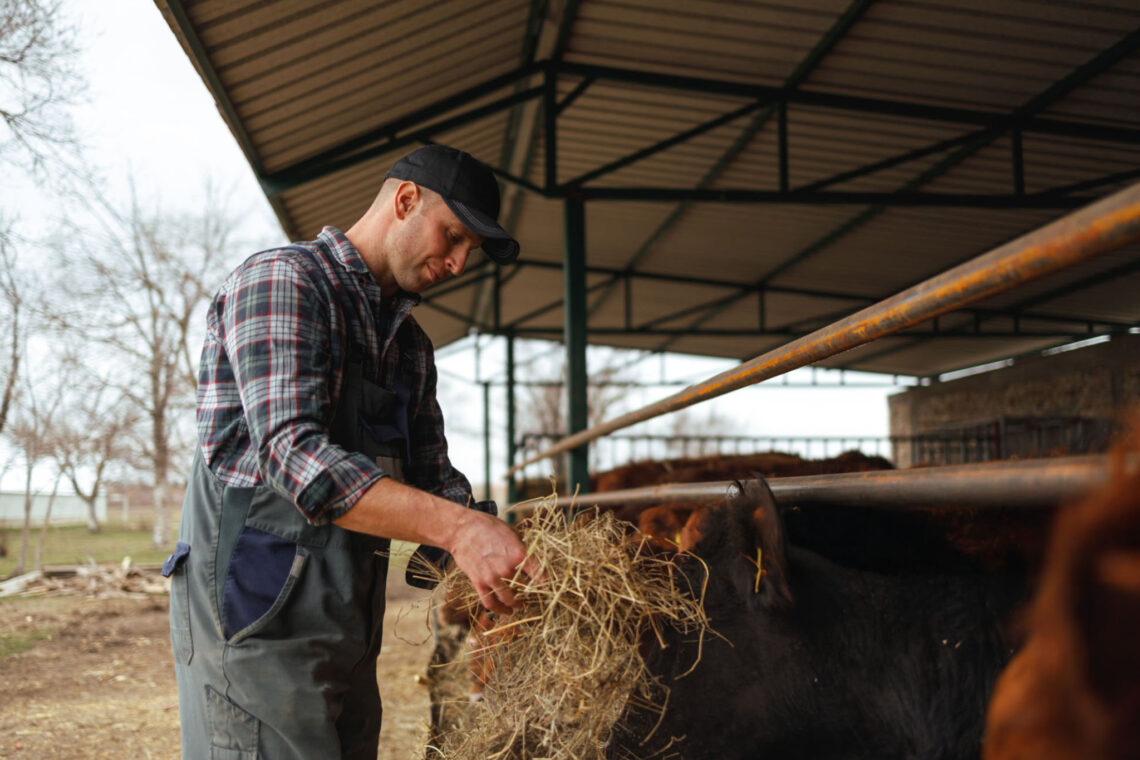
Feeding Smarter: Winter Nutrition Strategies for Cold-Hardy Cattle
When winter settles across the pasture, every rancher faces the same test — how to keep cattle healthy, productive, and well-fed when the grass is gone and the mercury drops. Feeding cattle in winter isn’t just about providing more hay. It’s about understanding energy needs, adjusting rations smartly, and ensuring your herd’s digestive system keeps working efficiently through the coldest months.
Understanding Energy Demands in Cold Weather
Cold weather changes everything. A cow that maintains body weight comfortably at 40°F will start burning extra calories as temperatures dip below freezing. Every 10°F drop below a cow’s lower critical temperature (around 20°F for a dry cow with a thick coat) increases her energy needs by roughly 10%.
That means your feeding plan must compensate for both the temperature and the wind chill. For instance, a 15-mph wind can make a mild day feel 10 degrees colder — and your cattle’s metabolism will respond accordingly. Ranchers who feed by habit rather than by weather conditions risk losing weight and condition in their herd by midwinter.
The Role of Quality Forage
The backbone of winter feeding is always forage — but not all hay is created equal. Testing your hay before winter begins can save you from midseason nutritional surprises. Look at crude protein (CP) and total digestible nutrients (TDN) when planning rations.
- Grass hay typically offers 7–10% CP and moderate energy.
- Legume hay (like alfalfa) can reach 15–20% CP and provide a stronger nutritional base.
- Mixed hay is often ideal — blending energy and protein while keeping feed costs manageable.
When the temperature plummets, supplementing with a higher-protein hay or adding a grain ration (like oats or barley) can help cattle maintain body heat without tapping into fat reserves.
Smart Supplementation: Beyond Hay and Grain
Even the best hay rarely meets all of a cow’s nutritional needs during the deep freeze. That’s where targeted supplements come in.
- Protein blocks or tubs help balance low-quality forage diets.
- Energy supplements such as corn or distillers grains provide quick-burning fuel for warmth.
- Mineral mixes are often overlooked but essential. Deficiencies in phosphorus, magnesium, or trace minerals like selenium can weaken immune function and reduce reproductive performance come spring.
Many ranchers make the mistake of offering the same mineral blend year-round — but winter formulas with higher magnesium and added vitamins A, D, and E better support cold-weather metabolism and forage digestion.
Feeding Timing and Technique
Timing your feeding can improve feed efficiency and comfort. Feeding cattle in the late afternoon or early evening can help them generate metabolic heat overnight, reducing cold stress when temperatures dip.
Also, feed placement matters. In open pastures, feeding near natural or man-made windbreaks helps minimize feed waste and ensures cattle can eat without fighting wind chill. Rotating feeding areas also helps prevent mud and manure buildup that can lead to hoof problems when the weather warms again.
Hydration: The Hidden Challenge
Cattle need plenty of clean, unfrozen water — even more than you might think. A cow’s water intake can drop drastically if water sources freeze or become too cold, reducing feed intake and overall health.
Heated water troughs or floating tank heaters are invaluable investments. Remember, cattle prefer water between 40°F–60°F, and every degree below that discourages drinking.
Body Condition Scoring (BCS): The Winter Gauge
Monitoring body condition is the best way to know if your feeding plan is working. A BCS of 5–6 (on a 1–9 scale) is ideal for cows heading into calving season.
If cows start to slip below a 5 midwinter, adjust your rations immediately. It’s much easier to maintain condition than to rebuild it once it’s lost — especially when temperatures are low and forage quality is poor.
Cold-Hardy Breeds and Genetic Advantage
Not all cattle are created equal when it comes to cold resistance. Breeds like Hereford, Angus, and Galloway have thicker coats and more efficient metabolisms for harsh climates. However, even hardy breeds need careful management when the feed quality drops.
Consider grouping cows by age or condition. Thin or younger animals should get access to the best hay and supplemental feed, while mature cows can handle rougher forage. Strategic grouping ensures feed efficiency without unnecessary waste.
Sustainable Winter Feeding Practices
Smart winter feeding isn’t just about keeping cows alive — it’s about managing land and resources responsibly. Practices like bale grazing or strip grazing stockpiled pasture can reduce tractor time, spread manure evenly, and build soil fertility.
By spacing bales strategically across a pasture before the snow flies, you encourage even grazing and nutrient distribution throughout the season. It’s efficient, cost-effective, and eco-friendly.
Final Thoughts: Plan Ahead, Feed with Purpose
Winter feeding is part science, part instinct, and all about preparation. Cattle that are well-fed through the cold months will calve stronger, breed back sooner, and resist illness better in the spring.
By testing forage, supplementing wisely, providing access to warm water, and monitoring condition regularly, you’ll feed smarter — not harder. After all, the best winter nutrition plan isn’t about feeding more — it’s about feeding right.


You May Also Like

The Cheap Boot Trap: Why That $30 Pair of Rain Boots Is Actually Costing You a Fortune

Garden Beds That Breathe: Prepping Soil for a Strong Spring Start