Hay, Hard Work, and Heavy Coats: The Realities of Ranch Life Before Winter
As the last of the autumn color fades and the morning frost begins to linger, ranchers across the country shift into overdrive. The weeks before winter aren’t a slowdown—they’re a sprint against the clock. This is the season of hay stacks, diesel mornings, and sore shoulders. It’s when the real work of the ranch happens, the kind that decides whether your stock and your land will thrive through the bitter months ahead.
Late fall on the ranch is a balance between preparation and endurance. Every task—from checking water lines to building windbreaks—serves one purpose: survival. The land is changing, the animals are adapting, and so must the people who care for them.
The Season of Hay and Heavy Machinery
There’s a rhythm to fall ranch work, and it often starts with the sound of balers and tractors humming before sunrise.
Hay isn’t just feed—it’s security. A full hay barn means peace of mind when the pastures freeze solid and snow buries the fields. But putting up enough quality hay is a challenge that depends on timing, weather, and labor.
By November, most ranchers are:
- Counting bales, not days. Every round bale represents one more day of feed through January.
- Checking for mold or moisture. Wet hay can lead to spoilage or even spontaneous combustion in storage.
- Balancing rations. Cows in late gestation or growing stock need richer hay; older animals can make do with grassier cuts.
The trick is in planning. A cold snap too early or a late storm can turn what looked like plenty into not nearly enough. Ranchers know that hay math isn’t an estimate—it’s insurance.
The Labor No One Sees
It’s easy to romanticize ranch life—the sunsets, the cattle moving through golden light—but before winter, it’s about pure labor.
There are frozen hoses to replace, feed bunks to clean, and mud that can swallow a boot whole. It’s not uncommon for a rancher to log 14-hour days just trying to stay ahead of the next freeze.
Some of the least glamorous but most essential jobs include:
- Checking and insulating water lines. One frozen pipe can cut off a herd’s only water source.
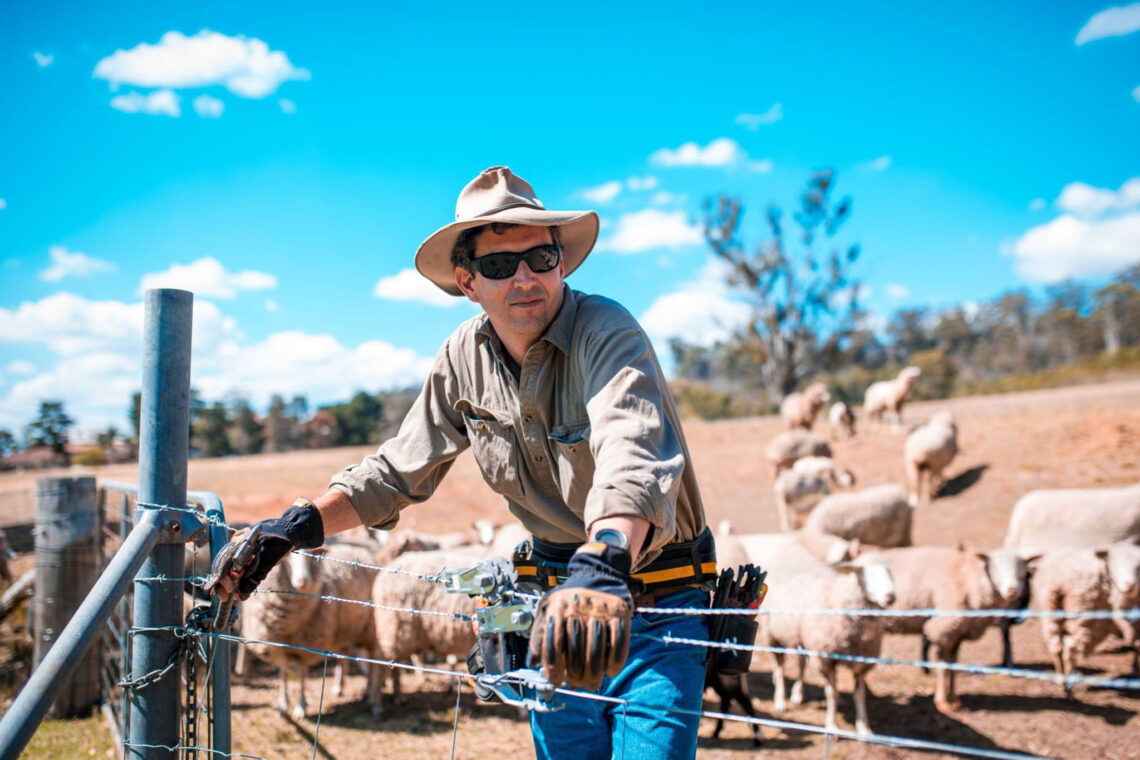
- Repairing gates and fences. Snow and ice add stress to weak spots that could become disaster mid-winter.
- Stocking diesel, salt, and grit. Once the storms roll in, deliveries get harder, and supply runs can mean a day lost.
- Managing mud. Early winter rains turn corrals into slick hazards. Moving cattle safely becomes a daily challenge.
There’s no “off-season” in ranching—just different kinds of busy.
The Animals Feel It First
Long before the first snowflake falls, livestock sense the change. Hair thickens, appetites grow, and movement patterns shift.
For cattle, it’s about building body condition and preparing for cold stress. For horses, it’s about keeping joints loose and hooves dry in the freeze-thaw cycles.
A good rancher reads the herd like a barometer. Are they bunching up early in the evening? Is feed consumption rising faster than expected? Those small signs tell you winter’s closer than the calendar says.
To keep animals healthy through the transition, most ranchers focus on three essentials:
- Nutrition: Balancing high-energy feed for warmth and slow-release fiber for digestion.
- Shelter: Simple windbreaks, natural tree lines, or barns that offer relief without trapping moisture.
- Hydration: Keeping water thawed and accessible, often with tank heaters or ground insulation.
It’s not just about comfort—it’s about survival. A well-fed, dry animal can handle the cold. A stressed, wet one can’t.
The Weight of Preparation
By the time December is on the horizon, every fence post and feed line carries meaning. Every tool and tank is inspected twice. Ranchers learn early that what you fix now, you won’t have to fix at twenty below.
There’s a mental side to it, too. Late fall means short days, long nights, and the quiet pressure of knowing everything depends on the next few weeks of effort. Ranching families feel that rhythm together—parents working with kids to bed down stock, partners driving out one last time to check gates in the dark.
It’s a season that demands toughness, but also pride. There’s satisfaction in knowing your barns are full, your animals are strong, and your land is ready.
Cold Weather Gear: The Armor of the Ranch
Before winter, every rancher’s wardrobe becomes a tool kit.
Heavy coats, wool socks, insulated gloves, and waterproof boots aren’t fashion—they’re survival gear. The right gear means you can work through sleet, handle frozen latches, and still have the grip to toss a bale or mend a line.
Many ranchers rely on:
- Thermal-lined bibs for warmth without restricting movement.
- Insulated waterproof boots for traction in mud, slush, and snow.
- Layered outerwear that sheds moisture but breathes under effort.
When the wind cuts and the ground hardens, clothing becomes the difference between a productive day and a dangerous one.
The Land Itself Changes
The ranch doesn’t just rest in winter—it transforms. Pastures that once waved green now crunch underfoot. Water troughs skim with ice overnight. Even the air smells different—cleaner, sharper, quieter.
But this is also a period of renewal. Fall manure applications enrich next year’s soil. Hay fields rest. The slower pace of plant growth lets the land recover. In this way, every bit of hard work before winter pays dividends when spring returns.
Smart ranchers know to work with these cycles, not against them. Resting pastures, rotating feeding areas to prevent mud damage, and maintaining vegetation buffers all build resilience for the next season.
The Reward in the Routine
There’s something uniquely satisfying about finishing the day in November—boots caked in mud, hay dust in your coat, breath hanging in the cold air. The work is exhausting, but it’s honest.
When the snow finally settles and the nights turn long, ranchers can rest easy knowing they’ve done what’s needed. Every flake of hay, every tightened fence wire, every repaired heater adds up to a season of survival—and pride.
Because in ranching, the reality is simple: you don’t wait for winter—you prepare to meet it.
Final Thoughts
The weeks before winter define a rancher’s year. It’s the time of calloused hands, heavy coats, and unrelenting effort. But it’s also a time of deep connection—to the land, the animals, and the tradition of self-reliance that runs through every ranch in America.
The truth is, winter doesn’t surprise a rancher—it tests them. And those who meet that test with hay stacked high, fences firm, and hearts steady know the quiet satisfaction that comes only when the hard work is done and the land is ready to rest.


You May Also Like
Best Boots for Horse Barn Work: Waterproof Footwear for Muddy Paddocks, Wet Stalls, and Daily Stable Chores
The Real Cost of Cheap Rain Boots: Why Trudave Is the Smarter Investment