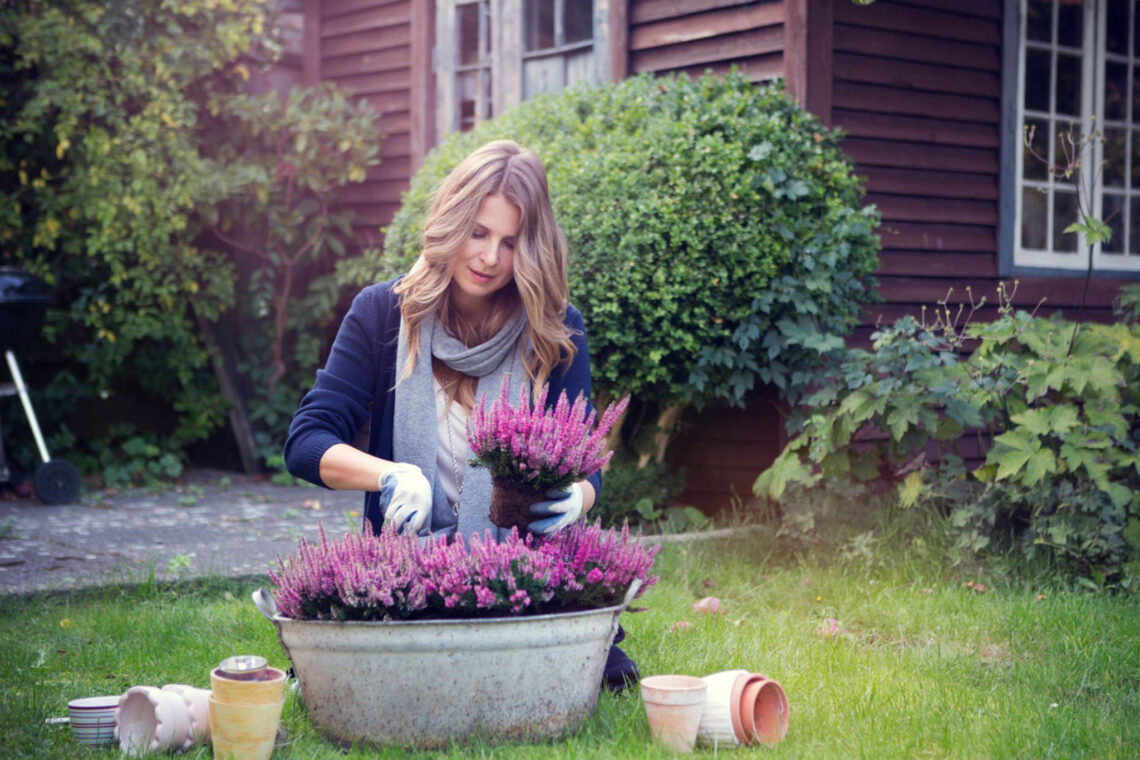
Gardener’s Patience: Why Waiting for Warm Soil Pays Off
Every spring, there comes a moment when gardeners can barely contain themselves. The air feels softer, the sun lingers a little longer, and the urge to plant becomes irresistible. After a long winter, that first trowel in the soil feels like freedom. But here’s the truth every seasoned gardener knows: the soil may be ready for your hands, but not yet for your seeds.
Rushing to plant too early in cold, damp soil can lead to disappointing germination, stunted growth, and a frustrating start to the season. Warm soil, on the other hand, offers the foundation for strong roots, resilient plants, and a thriving garden all summer long.
Gardening isn’t just about what you plant—it’s about when you plant. And sometimes, patience is the most powerful tool you own.
Understanding the Science of Soil Warmth
Soil temperature plays a crucial role in seed germination. Unlike air temperature, which can swing wildly day to day, soil temperature changes slowly. Early spring sunshine might feel warm on your face, but six inches below the surface, the earth can still be cold and compact.
Most warm-season crops—tomatoes, peppers, beans, corn, cucumbers, and squash—need soil temperatures between 60°F and 75°F (15°C–24°C) to germinate properly. Below those thresholds, seeds lie dormant or rot in the ground.
Cool-season crops like peas and lettuce can handle colder soil, but even they perform better once temperatures rise into the 50s. In short: the right temperature isn’t just about comfort—it’s about chemistry.
When soil is cold:
- Enzyme activity in seeds slows down.
- Microbial life—the tiny organisms that help roots absorb nutrients—remains sluggish.
- Water sits longer in the soil, making it dense and airless.
Warm soil, however, creates a living environment where roots can breathe, stretch, and absorb everything they need to thrive.
The Hidden Dangers of Planting Too Early
Impatience has its price in the garden. Many new gardeners see a few warm days and rush to sow seeds, only to watch them disappear beneath the surface. Here’s why early planting can backfire:
- Seed rot: When seeds sit in cold, wet soil, they absorb water too slowly and begin to decay before germination.
- Uneven germination: Some seeds sprout, others don’t—leaving your rows patchy and inconsistent.
- Stunted roots: Cold soil prevents proper nutrient absorption, leading to weak, pale seedlings.
- Shock and setback: Transplants placed in cold soil often stop growing altogether until conditions improve.
Once roots experience cold shock, plants rarely catch up to those planted just a week or two later in warmer conditions.
How to Know When the Soil Is Ready
You don’t need fancy tools to read your soil—just observation and timing.
1. Use a soil thermometer.
Measure the temperature at a depth of 2–4 inches in the morning before the sun warms the surface. For most warm-season crops, wait until readings stay consistently above 60°F (15°C) for several days.
2. Check soil texture.
Squeeze a handful of soil in your palm. If it sticks together or feels sticky, it’s still too wet and cold. Warm, ready soil crumbles easily.
3. Watch nature’s cues.
Experienced gardeners often say, “Plant when the lilacs bloom” or “When the earthworms are active.” These natural signs indicate soil biology is waking up—an excellent sign for planting.
Benefits of Waiting for Warm Soil
Patience in spring pays dividends through the entire growing season. Here’s what you gain by holding off just a bit longer:
- Stronger germination: Seeds sprout quickly and evenly in warm soil, creating uniform rows and easier thinning.
- Faster root development: Warmth encourages roots to expand and explore, leading to healthier, more drought-resistant plants.
- Better disease resistance: Cold, soggy soil fosters fungal issues like damping-off. Warm soil helps seedlings stay dry and resilient.
- Earlier yields (in the long run): While late-planted crops start later, they often catch up and surpass early plantings stressed by cold soil.
Ways to Warm Your Soil Faster
For those who can’t wait—or who live in regions with lingering cold—there are smart ways to help your soil reach planting temperature sooner.
1. Raised beds:
They drain and warm up faster than ground-level plots, making them ideal for early planting.
2. Black plastic or landscape fabric:
Cover the soil for 1–2 weeks before planting. The dark surface traps solar heat and prevents moisture loss.
3. Clear plastic tunnels or cold frames:
These create a mini greenhouse effect, increasing both air and soil temperatures for early starts.
4. Organic matter:
Adding compost or aged manure improves soil structure, helping it retain warmth while promoting microbial life.
Cool-Season Crops for the Impatient Gardener
If you’re itching to plant but the soil’s still cold, direct your energy toward crops that love the chill. Try:
- Spinach
- Kale
- Radishes
- Onions
- Broccoli
- Peas
- Carrots
These hardy plants can handle cool soil and give you something green to tend while you wait for the warmth that tomatoes and peppers demand.
The Mindset of a Patient Gardener
Gardening is as much about temperament as technique. The most successful growers know that timing isn’t about calendars—it’s about connection. When you learn to wait for the soil to be ready, you’re listening to nature, not fighting it.
Each extra week of waiting means your plants will spend less time struggling and more time thriving. Your harvest will be healthier, your workload lighter, and your garden more balanced.
Patience doesn’t slow you down—it sets you up for long-term success.
Final Thoughts: Let the Earth Lead
So much of modern life pushes us to hurry, but gardening rewards those who pause and observe. When you let the soil guide your schedule instead of the calendar, you step into a rhythm that’s as old as the earth itself.
Warm soil isn’t just a condition—it’s an invitation. It tells you when the time is right, when the roots will grow deep, and when your hard work will truly take hold.
So take a breath. Watch the robins return, feel the ground under your fingers, and wait until it’s ready. Because in gardening, as in life, patience always yields the best results.


You May Also Like
Head-to-Head in the Mud: Comparing Trudave GardenStride and AquaGuard for the Toughest Jobs on Land and Water
Best Boots for Christmas Tree Nursery Work: Waterproof Footwear for Seedlings, Transplanting, Mud, and Daily Nursery Tasks