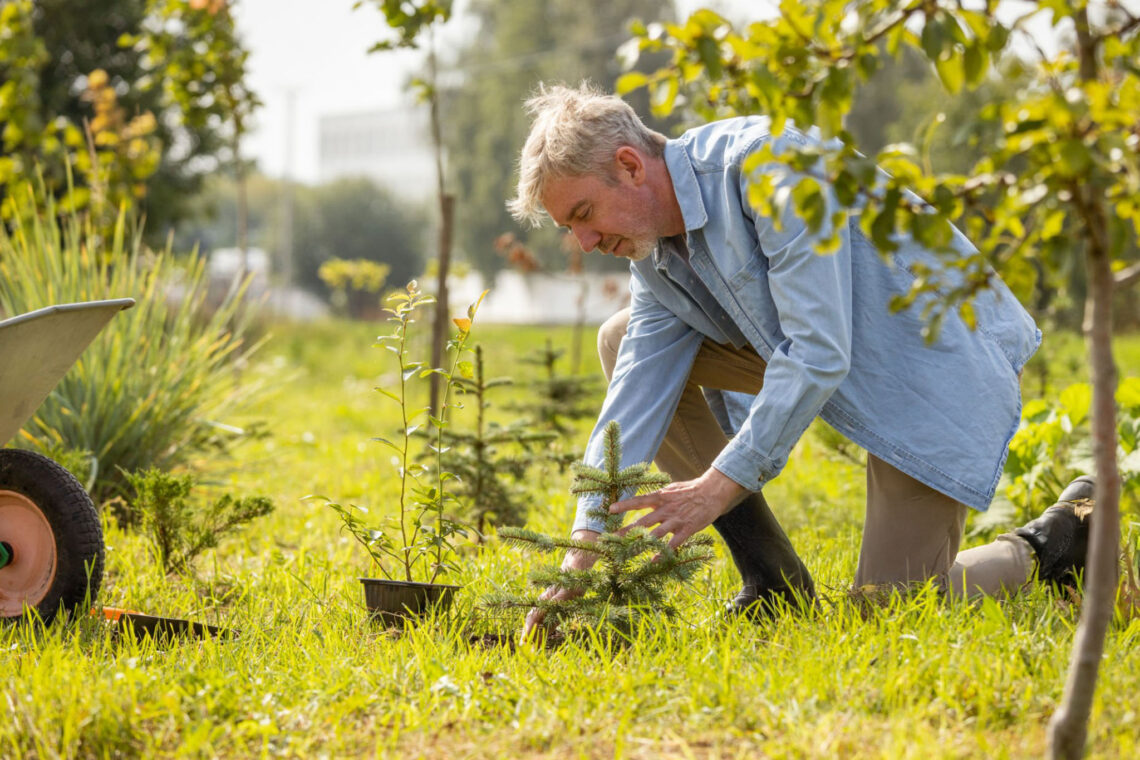
How to Stop Weeds Before They Take Over Your Garden
Weeds are more than just an eyesore. They compete with your plants for sunlight, water, nutrients, and space. If left unmanaged, they can quickly overwhelm even a well-planned garden. The key to successful weed control isn’t constant pulling — it’s prevention.
By understanding how weeds grow and taking proactive steps early in the season, you can dramatically reduce weed pressure and maintain a healthy, productive garden with far less effort. This guide explains proven strategies to stop weeds before they take over — using practical, effective methods that work in home gardens across the United States.
Why Weeds Spread So Quickly
Weeds are opportunistic. Most produce hundreds — sometimes thousands — of seeds. These seeds can remain dormant in soil for years, waiting for the right conditions to sprout.
Weeds thrive when:
- Soil is disturbed
- Bare ground is exposed
- Nutrients are readily available
- Garden plants are spaced too widely
Understanding this behavior helps you interrupt their growth cycle before it becomes a problem.
Start with a Clean Garden Bed
One of the most effective ways to prevent weeds is to eliminate existing growth before planting.
Early in the season:
- Remove visible weeds completely, including roots
- Rake the soil surface smooth
- Allow disturbed weed seeds to sprout
- Lightly remove new sprouts before planting
This method, often called “stale seedbed preparation,” reduces the first wave of weeds before your garden plants are established.
Starting clean significantly lowers weed pressure throughout the season.
Apply Mulch Immediately After Planting
Mulch is one of the most powerful tools for weed prevention.
A 2–3 inch layer of organic mulch blocks sunlight from reaching weed seeds, preventing germination. It also conserves soil moisture and regulates temperature.
Popular mulch options include:
- Shredded bark
- Straw (weed-free)
- Compost
- Wood chips
- Pine needles
Apply mulch as soon as your plants are established. Delaying mulching gives weeds an opportunity to gain ground.
Proper mulching can reduce weed growth by up to 70–90% in many garden settings.
Avoid Leaving Bare Soil
Bare soil is an open invitation for weeds.
Whenever possible:
- Plant ground covers
- Use cover crops in unused beds
- Densely plant vegetables within recommended spacing
- Add mulch between rows
Living plants and protective layers reduce sunlight exposure and minimize weed seed activation.
The less exposed soil you have, the fewer weeds you’ll fight.
Water Strategically to Discourage Weeds
Overhead watering encourages weed growth across the entire soil surface.
Instead, use targeted watering methods such as:
- Drip irrigation
- Soaker hoses
- Watering at the plant base
By delivering water directly to plant roots, you limit moisture available to weed seeds in surrounding soil.
Efficient watering not only conserves water but also reduces unwanted growth.
Improve Soil Health to Strengthen Desired Plants
Healthy plants naturally outcompete weeds.
When garden plants grow quickly and develop strong root systems, they shade soil and absorb nutrients efficiently. Weak plants leave room for weeds to establish dominance.
Improve soil health by:
- Adding compost
- Maintaining proper pH levels
- Avoiding soil compaction
- Rotating crops annually
A vigorous garden leaves little opportunity for weeds to thrive.
Use Pre-Emergent Control When Appropriate
Pre-emergent weed preventers stop weed seeds from germinating. These products form a barrier at the soil surface.
Organic options include corn gluten meal, which can help suppress certain weed types when applied correctly.
Timing is critical. Pre-emergents must be applied before weed seeds sprout, typically in early spring when soil temperatures begin to warm.
Always follow product instructions carefully to avoid affecting desired plants.
Pull Weeds While They’re Small
Even with prevention strategies, some weeds will appear.
The key is early removal.
Young weeds:
- Have shallow roots
- Are easier to remove
- Haven’t produced seeds
Pull weeds after rainfall or watering when soil is moist. This makes root removal easier and reduces soil disturbance.
Consistent early removal prevents larger infestations later.
Edge Garden Beds Regularly
Weeds often spread from lawns and surrounding areas into garden beds.
Creating a defined edge helps prevent this migration.
Options include:
- Physical edging materials
- Trenching
- Mulch barriers
Maintaining clear borders reduces outside weed intrusion.
Prevent Weed Seeds from Spreading
Many weeds spread through airborne seeds or by attaching to clothing and tools.
To minimize spread:
- Remove weeds before they flower
- Clean garden tools regularly
- Avoid composting mature weed seed heads
- Use certified weed-free straw or mulch
Stopping seed production is one of the most effective long-term strategies.
One plant allowed to go to seed can create years of future problems.
Practice Crop Rotation
Rotating plant families each season disrupts weed cycles.
Different crops:
- Shade soil differently
- Compete for nutrients differently
- Require different cultivation practices
Changing planting locations annually reduces the chance of specific weed species becoming dominant.
Crop rotation also improves soil balance and reduces pest pressure.
Solarize Heavily Infested Areas
For areas overwhelmed by weeds, soil solarization can be highly effective.
During hot summer months:
- Clear vegetation
- Water the soil thoroughly
- Cover tightly with clear plastic
- Leave in place for 4–6 weeks
Heat trapped under the plastic destroys many weed seeds and pathogens.
This method works especially well in sunny climates.
Avoid Excessive Tilling
While occasional soil preparation is necessary, repeated tilling brings buried weed seeds to the surface.
Every time soil is turned deeply, dormant seeds receive light and oxygen, triggering germination.
Minimize unnecessary disturbance and use no-till methods when possible to reduce weed activation.
Build Long-Term Weed Resistance
Weed control is not a one-time task. It’s a seasonal strategy.
Over time, consistent prevention methods:
- Reduce the soil seed bank
- Strengthen plant competition
- Improve soil structure
- Decrease labor demands
Each season of careful management makes the next easier.
Final Thoughts: Prevention Is the Best Weed Control Strategy
Weeds become overwhelming when they are allowed to establish, grow, and reproduce. Stopping them before they take over requires planning, consistency, and smart gardening practices.
By preparing clean beds, applying mulch, watering strategically, strengthening soil health, and removing weeds early, you dramatically reduce their impact.
A proactive approach transforms weed control from a constant battle into a manageable part of garden care.
When you stop weeds early, your plants get the resources they need — and your garden stays productive, healthy, and enjoyable all season long.


You May Also Like

Why Cattle Move More in Early Spring and What It Means for Your Herd

How to Spot Overwintered Pasture Damage Before It Hurts Summer Grazing