The Early Planter’s Advantage: Seeds That Thrive in Cool Soil
When the last frost hasn’t quite faded and the soil still carries that early-spring chill, most gardeners hesitate to reach for their seed packets. But for those who understand the rhythm of the seasons, planting early isn’t reckless—it’s strategic. Cool soil can actually favor certain seeds, giving them a head start on growth, weed competition, and moisture retention.
Early planting, when done with the right crops and timing, is one of the most rewarding ways to make the most of the growing season. It’s the difference between a rushed start and a planned advantage.
This is the early planter’s edge—knowing which seeds love the chill, how to read the soil, and how to make those first cold weeks work for you instead of against you.
Why Planting Early Matters
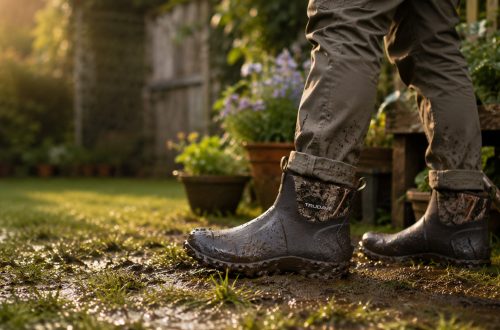
Spring comes in fits and starts. Warm afternoons lure you outside, but the ground beneath your boots tells a different story. Still, planting early—before the full warmth of spring—offers several key advantages:
- Soil moisture: Early spring soil holds more moisture from melting snow and seasonal rain, reducing the need for irrigation.
- Fewer pests and weeds: Cool conditions keep weeds and insects at bay, giving early crops a clean start.
- Extended growing season: Planting in March or April can push harvests weeks ahead, allowing multiple successions.
- Healthier root systems: Plants that establish roots in cool weather often become more resilient once summer heat arrives.
But not every seed can handle the chill. Success depends on understanding soil temperature, timing, and species-specific tolerance.
Understanding Cool Soil and Seed Germination
“Cool soil” typically means temperatures between 40°F and 55°F (4°C to 13°C). Below that, most seeds struggle to germinate; above that, warm-weather crops begin to thrive.
To measure your soil temperature, use a simple soil thermometer placed two inches deep in the morning. Remember: air temperature can mislead—sunny days can feel warm while the soil remains cold and compact.
Tip: The goal is not just to plant early, but to plant smart early. Waiting for soil to dry slightly while staying cool gives the best of both worlds—early establishment without rot.
Seeds That Love the Chill
Here’s where the real advantage begins. These cool-season crops don’t just tolerate cold soil—they thrive in it.
🥬 1. Lettuce
Germinates at 40°F and loves temperatures between 50°F–60°F. Early planting keeps it tender and crisp before heat triggers bolting.
🥕 2. Carrots
Fine seeds and slow germination make carrots tricky, but cool soil (around 45°F) gives them the best flavor and texture. Early planting reduces pest pressure from carrot flies.
🧅 3. Onions
Sets and seeds both prefer cool starts. Plant when the soil can be worked, as early onions build strong bulbs before midsummer heat.
🫛 4. Peas
A classic cool-soil favorite. Sow when the soil reaches 45°F. They’re tough enough to handle light frosts and yield best when grown before hot weather.
🥔 5. Potatoes
Seed potatoes sprout well in soil as cool as 45°F. Early planting encourages vigorous roots and gives them a long growing window.
🥦 6. Broccoli, Kale, and Cabbage
Members of the brassica family are cold-hardy champions. Plant transplants or seeds early for compact heads and sweetened flavor after a light frost.
🥬 7. Spinach
One of the hardiest greens you can sow early. It thrives in soil as cold as 35°F, making it a perfect first planting of spring.
Avoiding Early Planting Mistakes
While the payoff is big, early planting can backfire if conditions aren’t right. Here’s what to watch out for:
- Too much moisture: Waterlogged soil suffocates seeds and promotes rot. Wait until soil crumbles easily when squeezed.
- Crusted soil surface: Heavy spring rains can seal the soil, making it hard for seedlings to emerge. Lightly rake or mulch to prevent this.
- Frost dips: Even cold-tolerant plants have limits. Be prepared to cover young sprouts with row covers or frost blankets on freezing nights.
- Seed depth errors: In cool soil, shallower planting improves germination—seeds can access warmth and oxygen more easily.
Building the Perfect Early-Season Bed
For early planting, soil preparation is everything. Cold soil warms faster when it’s well-drained, loose, and rich in organic matter.
Steps for success:
- Work the soil only when ready: Avoid compacting wet ground—wait until it’s workable.
- Add compost: This improves texture and microbial activity, helping seeds germinate evenly.
- Form raised rows or beds: They dry and warm faster than flat ground.
- Mulch selectively: Use black plastic or biodegradable film to retain heat and suppress weeds around early crops.
Timing by Zone and Region
Your planting window depends heavily on your USDA Hardiness Zone:
- Zones 3–5 (Northern U.S.): Start peas, spinach, and onions as soon as the soil can be worked—often late March to mid-April.
- Zones 6–7 (Midwest/South): Late February to early March offers prime conditions for early brassicas and greens.
- Zones 8–9 (South and coastal): You may already be past the cool-soil window—focus on quick early harvests before heat sets in.
Knowing your frost dates helps too. Aim to plant hardy crops 3–4 weeks before the average last frost date in your area.
Leveraging the Early Planter’s Advantage
Early planting isn’t just about getting crops in the ground first—it’s about setting the tone for the season. By reading your soil, choosing the right seeds, and managing moisture wisely, you can:
- Harvest earlier than your neighbors.
- Reduce pest pressure naturally.
- Strengthen your soil’s structure with longer cover cycles.
- Stretch your growing season for successive plantings.
For small homesteads and large gardens alike, that’s the kind of advantage that compounds year after year.
Final Thoughts: Trust the Chill
Spring is a season of trust—trust in the soil, the seed, and the patience it takes to let nature work. The early planter’s advantage comes not from rushing, but from reading the land.
Cool soil isn’t a setback—it’s an invitation. Those who answer it with the right crops and care find themselves weeks ahead, watching sprouts emerge while others are still waiting for warmth.
So grab your trowel, test that soil, and lean into the chill. The reward for those willing to plant early is more than just an early harvest—it’s the satisfaction of working in sync with the season’s quiet beginning.


You May Also Like

Fall Fence Check: Simple Maintenance Steps Before Snow Arrives

Best Boots for Hog Farm Work: Waterproof Footwear for Pig Barns, Manure, Wet Concrete, and Washdown