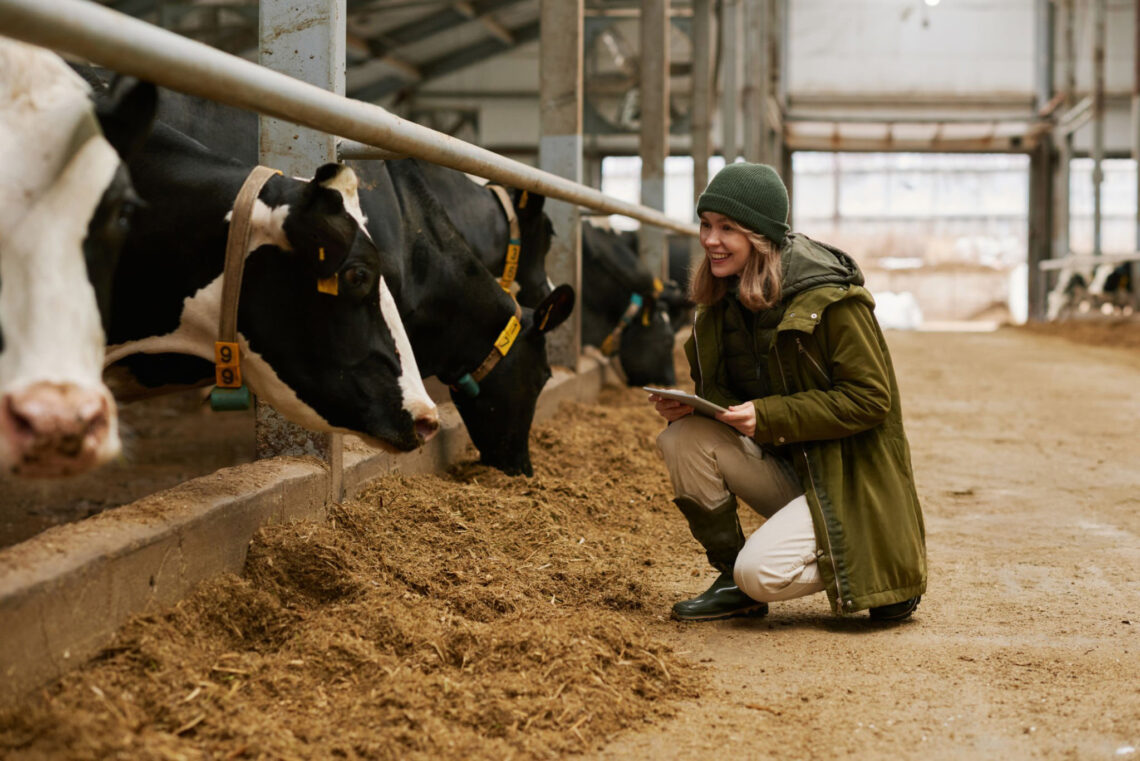
Wind, Mud, and Manure: Real Winter Challenges for Every Rancher
Winter on a ranch isn’t just about cold temperatures—it’s about managing wind, mud, and manure while keeping livestock healthy, pastures intact, and operations running smoothly. These elements combine to create unique challenges that can affect animal comfort, feed efficiency, and overall ranch productivity. With proper planning and smart strategies, ranchers can navigate the harshest months with confidence and minimize setbacks.
1. The Chill Factor: Wind and Its Effects on Livestock
Cold winter winds can drastically affect livestock in multiple ways:
- Heat loss: Exposed animals can lose body heat quickly, increasing feed requirements to maintain weight.
- Stress: Constant wind exposure elevates stress hormones, weakening immunity and making animals more prone to illness.
- Frostbite risk: Extremities like ears, tails, and teats are especially vulnerable.
Solutions:
- Build or maintain windbreaks, such as dense tree lines, hay bale walls, or purpose-built fences.
- Ensure barns and shelters are draft-free but still allow ventilation to prevent respiratory issues.
- Position feed and water sources in sheltered areas to reduce exposure.
Even simple wind mitigation can dramatically improve herd comfort and health.
2. Mud Management: Navigating Wet Pastures
Winter precipitation—rain, snow, and melting ice—can turn pastures into muddy hazards, affecting both livestock and equipment:
- Hoof health: Prolonged exposure to wet, muddy ground can cause hoof rot and other infections.
- Pasture degradation: Trampled mud destroys grass cover, reducing forage availability in spring.
- Operational difficulties: Mud slows down feeding, manure removal, and equipment movement.
Solutions:
- Install gravel or sand pads around feed and water areas to minimize mud accumulation.
- Rotate pastures more frequently to allow muddy sections to recover.
- Use raised feeding platforms or bunks to keep feed clean and dry.
- Encourage natural drainage by grading low spots and maintaining ditches or swales.
Proactive mud management protects pastures, livestock, and your sanity.
3. Manure Management: Turning Waste into Opportunity
Winter mud mixes with manure, creating slippery, unsanitary conditions that affect both animals and ranch operations:
- Disease risk: Accumulated manure can harbor bacteria and parasites, increasing the chance of illness.
- Reduced feed efficiency: Dirty animals spend energy staying warm and healthy, reducing weight gain or milk production.
- Storage challenges: Frozen or wet manure complicates composting and nutrient recycling.
Solutions:
- Regular clean-outs: Keep barns and pens clean, even if it means shorter, more frequent sessions.
- Composting: Convert manure into nutrient-rich compost, using proper pile aeration and moisture control.
- Separation from mud: Use hardstands, gravel pads, or concrete alleys to reduce manure mixing with wet soil.
Winter manure management turns a potential hazard into a valuable resource for spring pastures.
4. Integrated Winter Strategies for Ranchers
Dealing with wind, mud, and manure simultaneously requires a holistic approach:
- Plan shelter zones: Position barns, windbreaks, and feed areas to reduce wind and mud exposure.
- Implement drainage solutions: Even simple trenches or gravel lanes prevent muddy messes and improve footing.
- Rotate and rest paddocks: Prevent overuse of wet areas to maintain pasture integrity.
- Monitor herd health: Check hooves, weight, and coat condition regularly to catch problems early.
- Leverage composting systems: Use winter manure for spring fertilization, turning challenges into gains.
By integrating these strategies, winter becomes more manageable, and the herd thrives despite harsh conditions.
5. Benefits of Tackling Winter Challenges Proactively
Addressing wind, mud, and manure in advance leads to:
- Healthier livestock: Less stress, disease, and injury.
- Preserved pastures: Minimized erosion and soil compaction.
- Operational efficiency: Easier feeding, cleaning, and handling in difficult conditions.
- Financial savings: Reduced vet bills, lost weight, and wasted feed.
Winter preparation isn’t just about survival—it’s about setting your ranch up for spring success.
Conclusion
Winter ranching comes with unavoidable challenges, but with strategic planning, infrastructure improvements, and consistent management, wind, mud, and manure can be controlled rather than feared. By focusing on shelter, drainage, and manure handling, ranchers can protect their herds, preserve pastures, and maintain productivity throughout the cold season.


You May Also Like

Best Boots for Tractor Drivers and Farm Equipment Operators: A Practical Agricultural Footwear Guide
Beyond the Puddle: The Complete 2026 Trudave Rain Boot Guide for Heavy-Duty Farming and Mud Season