-
Evergreen Armor: How to Protect Young Trees From Winter Burn
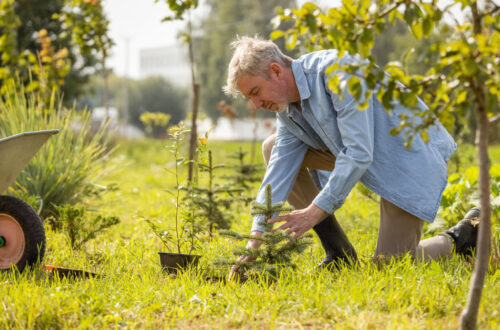
Winter may look peaceful from a distance, but for young evergreens, it’s one of the most stressful seasons of the year. From biting winds to intense sun bouncing off fresh snow, young pines, spruces, firs, and arborvitae can take a beating long before spring arrives. Winter burn—sometimes called “winter scorch”—is one of the most common cold-season problems for evergreen growers across the United States, especially in open fields, homesteads, and suburban yards. The good news? Most winter burn is preventable with a smart strategy, the right materials, and a bit of early-season prep. Here’s how to create real “evergreen armor” that keeps your young trees healthy through every winter storm.…
-
Frost-Layer Gardening: Why Your Winter Soil Needs Protection More Than You Think
When winter rolls in and the landscape settles under a blanket of frost, most gardeners shift their focus indoors and assume their garden soil can fend for itself. But the truth is simple: winter isn’t a dormant season for your soil—it’s a stress test. Freeze-thaw cycles, wind exposure, nutrient depletion, and compaction can quietly undo months of hard work if you don’t step in to protect what’s beneath the surface. Frost-layer gardening isn’t just about preventing damage. It’s about building stronger, healthier soil that wakes up ready to grow the moment spring arrives. Here’s why your winter soil needs protection more than you think—and how to safeguard it effectively. Why…
-
How to Rotate Pastures in Winter Without Damaging Your Fields
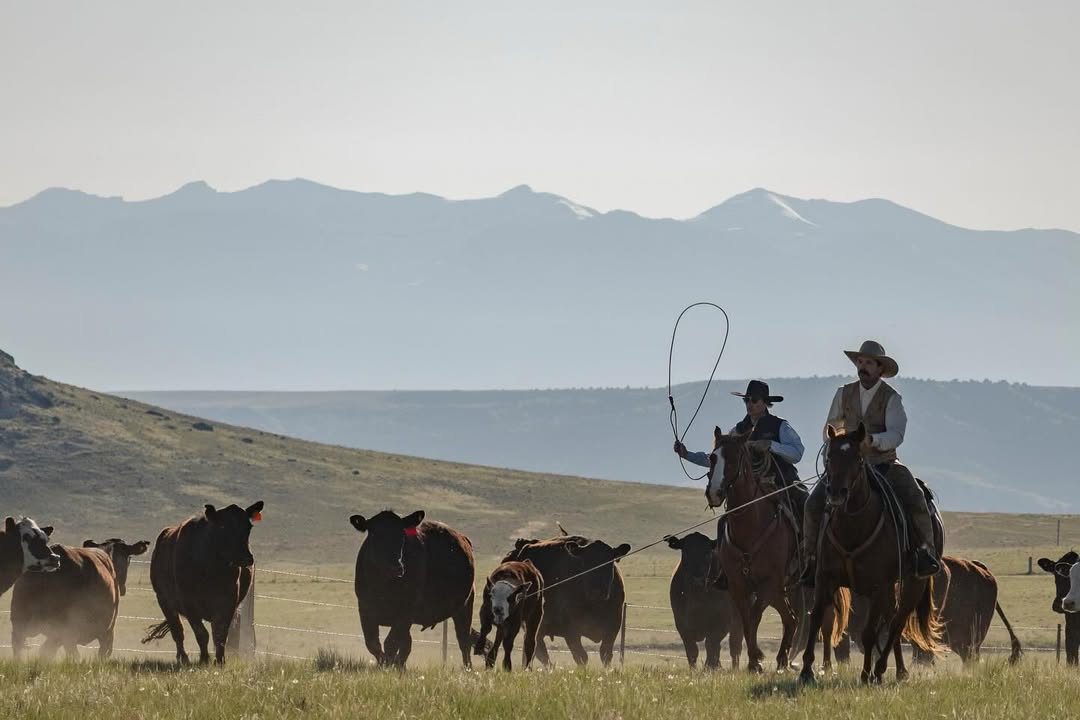
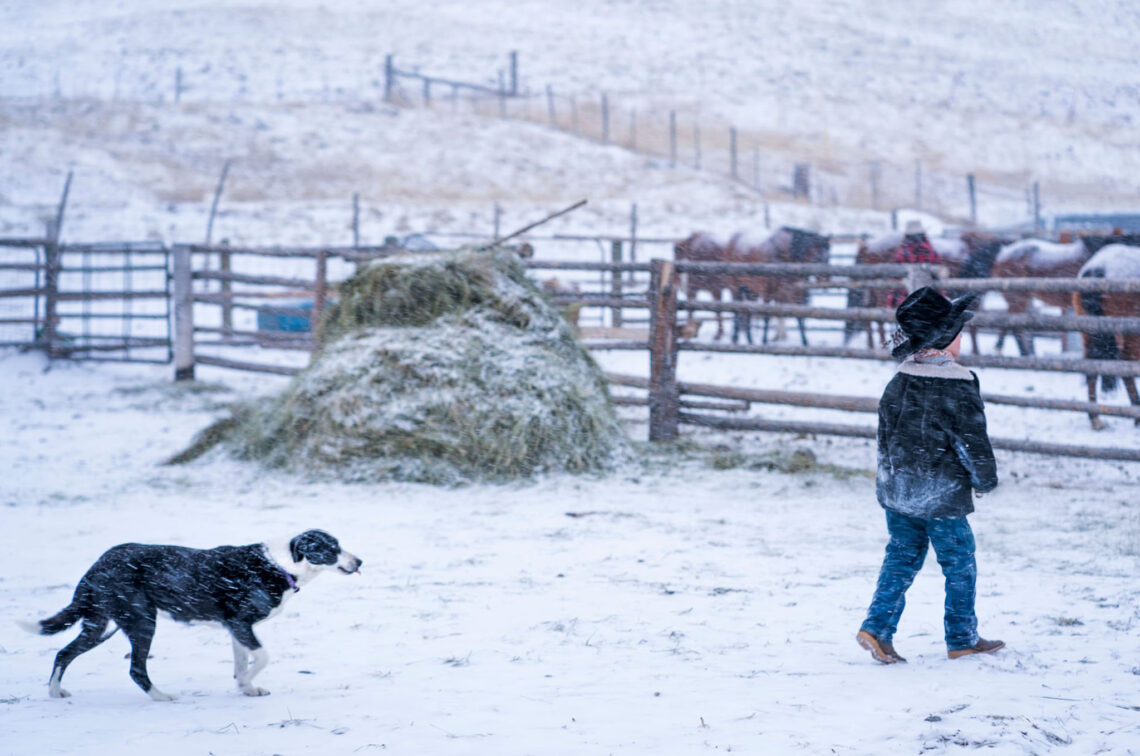
Winter pasture rotation is one of the trickiest challenges for ranchers and livestock owners. The ground is soft, fragile, and easily torn up, yet livestock still need space to move, forage, and stay healthy. Without the right strategy, winter grazing can quickly turn into compacted soil, torn-up sod, muddy sacrifice zones, and delayed spring growth. But with smart planning and some cold-weather adjustments, you can rotate pastures in winter without damaging your fields—and even set your land up for stronger recovery in spring. Here’s how to manage winter rotations effectively while protecting your soil, grasses, and long-term pasture health. 1. Understand What Makes Winter Grazing Risky Winter changes the rules.…
-
January Barn Maintenance: Quick Fixes That Prevent Costly Spring Repairs
January might seem like the quietest month on the farm, but it’s one of the most critical times to protect your barn from expensive spring disasters. Winter moisture, freezing temperatures, and fluctuating weather patterns can quietly damage structures, equipment, and animal facilities long before the busy season arrives. A few simple January maintenance tasks can save you thousands in repairs—and countless headaches—once spring rolls around. This guide breaks down the smartest mid-winter fixes every rancher, hobby farmer, and homesteader should tackle before winter wear turns into spring problems. 1. Start With a Quick Structural Check—The “Five-Minute Walkaround” January’s freeze–thaw cycle can cause cracks, sagging spots, or shifting in your barn.…
-
Dormant Pruning Done Right: Boosting Growth Before Spring Wakes Your Trees
When winter settles in and your trees enter dormancy, most of the landscape looks frozen, quiet, and still. But beneath that quiet layer of bark, important biological processes continue—and this cold season gives gardeners and homesteaders one of the best opportunities to shape healthier, stronger, more productive trees. Dormant pruning isn’t just a winter chore; it’s an investment in the growth your trees will explode with once spring returns. Done correctly, dormant pruning improves structure, encourages vigorous new shoots, boosts fruit production, and protects trees from disease. But timing, technique, and understanding your specific species all play a major role in success. This guide breaks down everything you need to…
-
Frost-Proof Planting Beds: How to Build Winter-Ready Raised Rows
When winter settles in and overnight temperatures slide below freezing, most gardeners assume the growing season is officially over. But with the right raised bed setup, cold weather doesn’t have to put your garden to sleep. Frost-proof planting beds—designed to trap heat, shed moisture, and protect soil structure—can keep your crops alive longer and even give you a head start once spring arrives. Building winter-ready raised rows isn’t complicated, but it does require thoughtful planning and a few smart upgrades. Whether you’re extending fall harvests, protecting garlic and overwintering greens, or prepping planting space for early spring crops, this guide walks you through everything you need to know. Why Frost-Proof…
-
Deep-Litter System Myths: What Actually Works in Sub-Freezing Temperatures
When winter tightens its grip and temperatures plunge below freezing, many barn owners lean on the deep-litter system to keep livestock warm and chores manageable. But with every passing season, new myths spread through homesteading forums, rancher Facebook groups, and coffee-shop conversations. Some are harmless. Others can cost you animal health, indoor air quality, and hundreds of dollars in bedding. This guide breaks down what truly works—and what absolutely doesn’t—when running a deep-litter system through December, January, and the coldest weeks of winter. What the Deep-Litter System Is Really Designed to Do Before we bust the myths, it’s important to understand the system’s purpose: A properly managed deep-litter bed becomes…
-
How to Keep Fencing Stable When Frost Heave Hits Your Pasture
When winter rolls in across the northern U.S., frost heave becomes one of the most frustrating challenges ranchers and landowners face. The cycle is predictable—freeze, thaw, repeat—and every cycle pushes the soil upward, lifting fence posts, bending T-posts, loosening corner braces, and shifting entire sections of fencing out of alignment. A fence that looked rock-solid in October can suddenly be leaning, sagging, or separated by several inches come January.The good news? With the right strategies, you can keep your fencing stable and fully functional—even when frost heave is hammering your pasture. This guide breaks down why frost heave happens, what parts of a fence system are most vulnerable, and the…
-
Evergreen Boosters: Winter Tricks to Keep Your Landscape Looking Alive
When winter settles in, most landscapes across the U.S. go dull, sleepy, and colorless. Lawns fade to tan, perennials die back, and deciduous trees show nothing but bare branches. But evergreens—those steadfast pines, spruces, junipers, cedars, hollies, and arborvitae—stand strong through it all. Even so, winter can be rough on them. Cold winds, moisture loss, snow load, and nutrient shortages all leave their mark. And without a little help, even the hardiest evergreen can lose color, drop needles, or look stressed long before spring. The good news? A few winter tricks can dramatically boost your evergreens, keeping your landscape looking alive, structured, and beautifully green—no matter how deep the winter…
-
Winter Soil Wake-Up: The Secret December Prep That Protects Your Garden for Spring
When temperatures drop and the garden looks like it’s gone to sleep, most people assume the soil is resting too. But December is actually one of the most important months of the year for soil health. What you do right now can decide whether your spring garden bursts to life—or struggles from day one. Winter soil prep isn’t loud, glamorous, or fast. It’s quiet work beneath frozen ground, biological shifts that happen slowly but significantly. And December is the moment when you can put the right ingredients, structure, and microbial support in place before spring even shows up. Here’s how to “wake up” your winter soil and build a foundation…