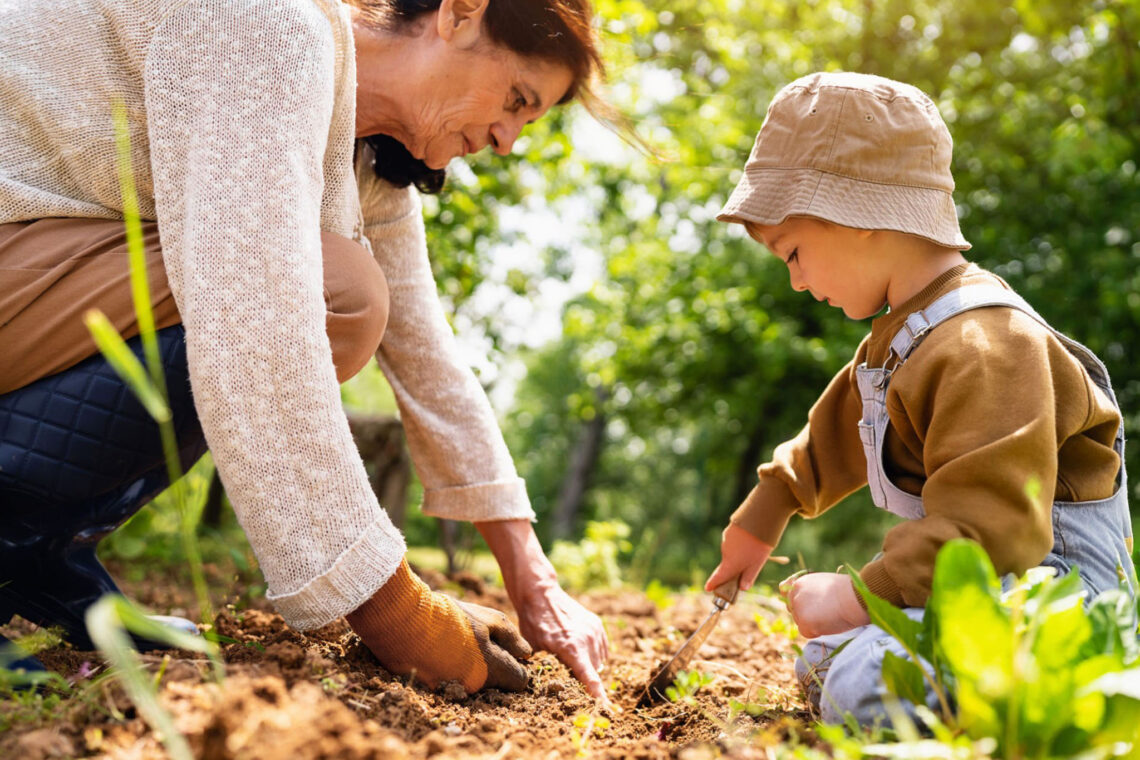
Heirloom Hope: Saving Seeds for Next Year’s Resilient Garden
When winter whispers across the garden and the last leaves fall, many growers start dreaming of next year’s bounty. But before the frost takes hold, there’s a powerful act of resilience every gardener can perform — saving heirloom seeds. Beyond the satisfaction of self-sufficiency, seed saving preserves history, strengthens biodiversity, and prepares your garden for a more resilient future.
In a time when commercial hybrids dominate the shelves, keeping heirloom varieties alive is both a practical and deeply personal act — a promise that next year’s garden will be just as flavorful, vibrant, and uniquely yours.
What Makes Heirloom Seeds So Special?
Heirloom seeds are more than just old varieties; they’re living legacies. Passed down through generations, often for 50 years or more, heirlooms have stood the test of time for their taste, adaptability, and hardiness.
Unlike hybrid seeds — which are bred for commercial uniformity and often can’t be reliably saved — heirlooms are open-pollinated, meaning they reproduce true to type. Save a Brandywine tomato seed this year, and you’ll get another Brandywine next summer, with all its juicy sweetness intact.
But heirlooms aren’t just about consistency — they’re about diversity. Each seed carries genetic variation that helps plants adapt to local soil, pests, and weather. Over time, this makes your garden more resilient to climate change and disease.
Why Saving Seeds Builds a Stronger Garden
Seed saving connects gardeners to nature’s cycle in the most hands-on way possible. Each seed is both a memory of this season and a blueprint for the next. Here’s why it matters:
- Resilience – Locally saved seeds become naturally adapted to your unique growing conditions.
- Self-Reliance – You reduce dependence on seed catalogs and supply chains.
- Biodiversity – Preserving heirloom genetics keeps plant varieties from vanishing.
- Cost Efficiency – Once you build your collection, you’ll spend less on annual seed purchases.
- Sustainability – It’s one of the most eco-friendly practices a gardener can adopt.
Seed saving isn’t just for experts — it’s a skill every home gardener can master with a little patience and attention to detail.
Choosing the Right Plants to Save From
Not every plant in your garden is a good candidate for seed saving. Start with open-pollinated and self-pollinating plants. These reproduce true to type and make the process simpler for beginners.
Best easy-start options:
- Tomatoes – Self-pollinating and easy to ferment for seed extraction.
- Peppers – Seeds are simple to dry and store.
- Beans & Peas – Just let the pods dry completely on the vine.
- Lettuce – Bolts and produces seed naturally once it matures.
Avoid hybrids (labeled as “F1”) — they may not produce offspring with the same traits, leading to unpredictable results.
Harvesting: Timing Is Everything
The key to saving viable seeds is patience. You want fully mature seeds, not just ripe produce.
- Tomatoes: Scoop seeds from overripe fruit, then ferment them in water for a few days to remove the gelatinous coating.
- Peppers: Let fruits ripen to their final color (usually red or orange), then dry the seeds completely.
- Beans and Peas: Allow pods to turn brown and crisp before removing seeds.
- Squash and Melons: Wait until the fruit is fully mature and the skin hardens before harvesting seeds.
Pro tip: Always label your seeds immediately after collecting them. It’s easy to forget which variety came from where once winter sets in!
Cleaning and Drying Seeds Properly
Once harvested, seeds need to be cleaned and thoroughly dried to prevent mold or decay during storage.
- Separate debris using a fine mesh sieve or by winnowing (lightly blowing across the seeds).
- Spread seeds on a paper towel or fine screen in a warm, dry, shaded area — avoid direct sunlight.
- Drying time: Usually 1–2 weeks, depending on humidity. Seeds should feel hard and brittle before storage.
If your home tends to be humid, consider using a dehydrator on low heat (no higher than 95°F) to finish drying safely.
Storage: Keeping Seeds Viable Through Winter
The golden rule of seed storage is cool, dark, and dry. Heat and moisture are the enemies of long-term viability.
Best practices:
- Store in airtight containers such as glass jars or sealed envelopes inside a mason jar.
- Add a silica gel packet or rice to absorb excess moisture.
- Keep in a cool basement, refrigerator, or unheated pantry — ideally around 40°F.
- Label with variety name and year saved.
Most properly stored seeds remain viable for 3–5 years, though some, like beans and peas, can last even longer.
Preventing Cross-Pollination
If you plan to save seeds for true-to-type plants, preventing cross-pollination is crucial — especially for crops like squash, corn, or cucumbers that rely on wind or insects for pollination.
Tips for purity:
- Distance isolation – Keep different varieties of the same species at least 100 feet apart.
- Bag blossoms – Use fine mesh bags to cover flowers before they open.
- Hand-pollinate – Control the process yourself with a small brush, then bag the flower afterward.
For small backyard gardens, it may be easier to save only one variety per species each year.
Creating a Seed Bank at Home
As your seed collection grows, consider creating a personal seed bank. This can be as simple as a labeled box of envelopes or as elaborate as a temperature-controlled fridge setup.
Many gardeners organize by plant family or planting season, adding notes on performance, flavor, and disease resistance each year. Over time, your seed bank becomes a customized genetic library, perfectly suited to your soil, climate, and taste preferences.
The Joy of Sharing and Community Resilience
Seed saving doesn’t stop at your fence line. Many gardeners join or start local seed swaps — community events where growers trade varieties and stories.
Sharing heirloom seeds not only preserves biodiversity but also builds a network of resilience. When supply chains falter or seed prices climb, communities that share seeds thrive.
Consider labeling your shared seeds with variety history and growing notes — it turns a simple packet into a story worth passing on.
Final Thoughts: Cultivating Hope, One Seed at a Time
Each saved seed represents hope — for growth, for sustainability, and for the preservation of something unique. When you save heirloom seeds, you’re doing more than preparing for next year’s garden; you’re participating in a centuries-old tradition of stewardship.
Whether you’re collecting your first tomato seeds or managing a multi-year seed library, every effort counts. The act of saving seeds ties us to the earth, to history, and to a greener, more resilient future.
This winter, as your garden rests beneath the snow, take pride in your seed jars. Inside them lies next year’s promise — heritage, flavor, and resilience, waiting for spring.


You May Also Like
Why Consistent Summer Heat Quietly Reduces Ranch Productivity Over Time
Why Early Planting Success Depends on Soil, Not Calendar Dates