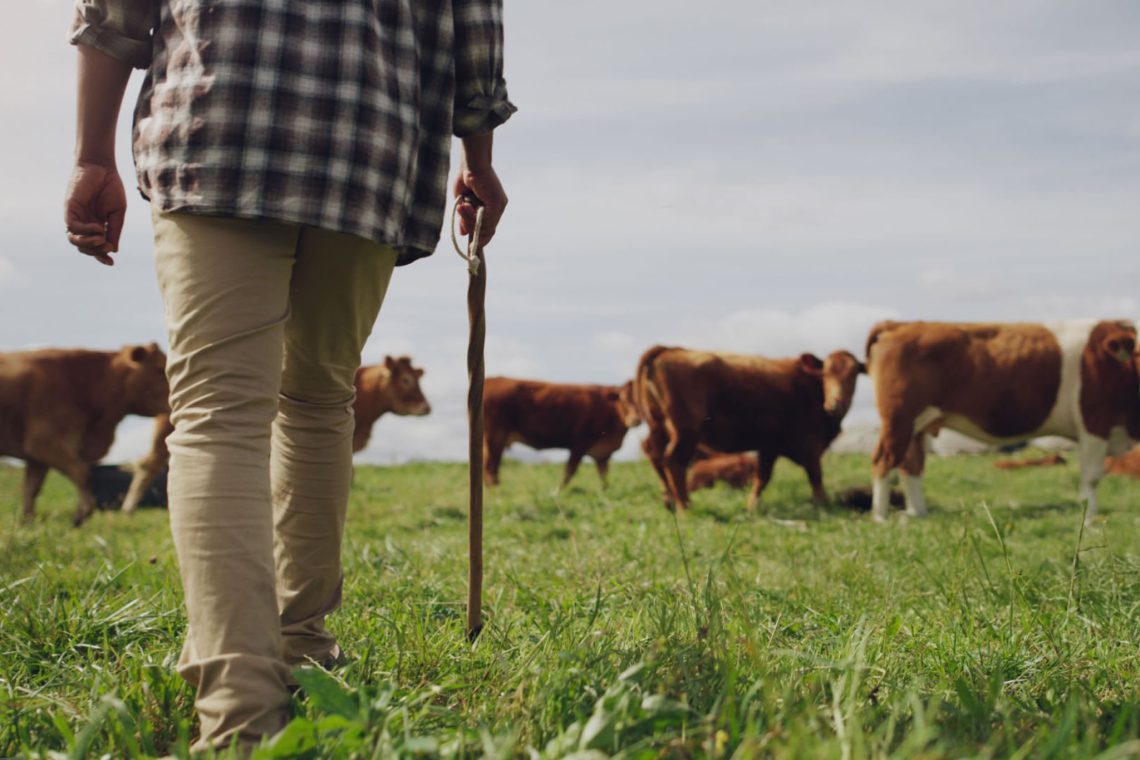
Why Your Pasture Isn’t Performing as Well as It Should This Spring
Every spring brings the same expectation: fresh growth, strong forage, and a pasture ready to carry your herd. But for many ranchers, reality doesn’t match the picture. The grass greens up—but performance lags behind.
Maybe your cattle aren’t gaining like they should. Maybe you’re running out of usable forage faster than expected. Or maybe the pasture just isn’t responding the way it has in past years.
If that sounds familiar, you’re not dealing with bad luck—you’re dealing with hidden limiting factors that quietly reduce pasture performance.
Let’s break down what’s really holding your pasture back this spring—and how to fix it.
What “Underperforming Pasture” Really Means
A pasture that isn’t performing usually shows up in subtle ways:
- Livestock graze longer but gain less
- Grass looks decent but disappears quickly under pressure
- Regrowth is slower than expected
- Certain areas get overgrazed while others go untouched
The key issue isn’t always growth—it’s efficiency. Your pasture may be producing biomass, but not converting it into usable, high-quality feed.
The Most Common Reasons Pastures Struggle in Spring
1. Spring Growth Came Too Fast (and You Missed the Window)
Warm weather and early rain can trigger rapid growth. That sounds great—until grass matures too quickly.
When grass gets ahead of your grazing schedule:
- It becomes stemmy
- Nutritional value drops
- Livestock become selective
So even though there’s “plenty” of grass, much of it goes unused.
The result: High volume, low performance.
2. Soil Conditions Didn’t Fully Recover Over Winter
Spring performance starts months earlier than most people think.
If your soil:
- Lost nutrients over winter
- Stayed compacted
- Lacks organic matter
Then spring growth may look green—but won’t be strong or sustainable.
Weak soil leads to:
- Shallow root systems
- Poor drought resistance
- Slower recovery after grazing
3. Grazing Pressure Is Out of Balance
Spring is when grazing mistakes show up fast.
Common issues:
- Turning livestock out too early
- Leaving them too long in one area
- Not adjusting stocking rates as growth changes
This creates:
- Overgrazed zones that struggle to recover
- Undergrazed zones that become wasted
4. Uneven Moisture Distribution
Even in a good rain year, not all parts of your pasture perform equally.
Factors like:
- Slope
- Soil type
- Drainage patterns
can create micro-zones where:
- Some areas stay productive
- Others dry out quickly or stay waterlogged
This leads to inconsistent forage availability across the pasture.
5. Poor Forage Diversity
A pasture dominated by one or two species is more vulnerable.
Problems include:
- Limited growth windows
- Increased sensitivity to weather changes
- Lower overall resilience
Diverse pastures:
- Produce more consistently
- Recover faster
- Provide better nutrition
6. Livestock Behavior Is Working Against You
Animals don’t graze evenly—they follow patterns.
They prefer:
- Flat ground
- Areas near water
- Shade in warmer weather
This results in:
- Heavy pressure in some areas
- Neglect in others
Even a well-managed pasture can underperform if livestock distribution isn’t controlled.
How to Diagnose the Problem Quickly
Before making changes, take time to assess what’s actually happening.
Walk the Entire Pasture
Don’t just check one area. Look for:
- Differences in height and density
- Signs of overgrazing
- Mature, unused forage
Check Root Strength
Pull up a few plants:
- Are roots deep and strong?
- Or shallow and weak?
Root health often tells you more than top growth.
Watch Your Herd
Your livestock will reveal problems fast:
- Are they constantly moving?
- Are they grazing selectively?
- Are they revisiting the same spots?
These behaviors signal imbalanced forage availability.
How to Improve Pasture Performance This Spring
1. Tighten Your Grazing Timing
Don’t wait for grass to look “ready.” Instead:
- Graze earlier in the growth stage
- Move livestock more frequently
- Stay ahead of maturity
This keeps forage:
- Nutrient-dense
- More palatable
- Easier to manage
2. Use Rotational Grazing More Strategically
Effective rotation isn’t just about moving animals—it’s about timing.
Focus on:
- Short grazing periods
- Adequate recovery time
- Adjusting rotation speed as growth changes
Spring requires faster rotations than most seasons.
3. Improve Soil Health
Long-term performance depends on soil.
Steps to consider:
- Soil testing
- Targeted fertilization
- Adding organic matter
- Reducing compaction
Healthy soil leads to:
- Better growth consistency
- Stronger regrowth cycles
4. Adjust Stocking Rates in Real Time
Spring growth isn’t constant—it changes week by week.
Be ready to:
- Increase stocking during peak growth
- Reduce pressure when growth slows
- Use temporary paddocks if needed
Flexibility is key.
5. Manage Water and Shade Access
Encourage better grazing distribution by:
- Adding or rotating water sources
- Using temporary fencing
- Managing access to shade
Small changes can significantly improve pasture utilization.
6. Plan for Recovery, Not Just Use
Every grazing decision affects future growth.
Avoid:
- Grazing too low
- Re-entering paddocks too early
Instead, focus on:
- Protecting regrowth
- Maintaining plant energy reserves
The Hidden Cost of Ignoring the Problem
When pasture underperformance goes unchecked, it leads to:
- Increased feed costs
- Lower livestock productivity
- Long-term pasture degradation
What seems like a “slow spring” can turn into a season-long setback.
Final Thoughts
Spring is your most important window for setting the tone of the entire grazing season. If your pasture isn’t performing the way it should, there’s always a reason—and more importantly, a solution.
Focus on:
- Timing instead of appearance
- Soil instead of just surface growth
- Movement instead of static grazing
Because a high-performing pasture isn’t just about growing grass—it’s about turning that growth into consistent, efficient feed your livestock can actually use.


You May Also Like
The Rain Boot You’re Wearing Is Probably Lying to You
Why Your Pasture Plan Starts Falling Apart in Early Summer