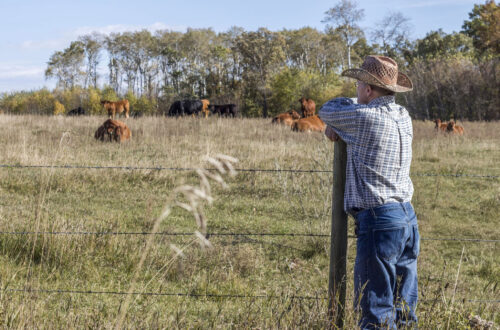
Why Your Pasture Looks Green but Isn’t Producing Enough Feed
At first glance, your pasture looks perfect—lush, green, and full of growth. But once livestock hit the field, reality sets in fast. Grazing pressure builds, animals start roaming more, and suddenly there’s not enough usable forage to go around.
If you’ve ever wondered why a pasture that looks healthy isn’t actually feeding your herd, you’re not alone. This is one of the most common—and costly—misunderstandings in spring pasture management.
The truth is simple: green doesn’t always mean productive.
The Illusion of “Green Equals Good”
In spring, rapid growth creates a visual illusion. Grass greens up quickly, especially after rain, but not all growth is equal in terms of:
- Nutritional value
- Palatability
- Density
- Regrowth potential
A pasture can look thick from a distance while actually producing low-quality or unusable forage.
Livestock don’t graze based on color—they graze based on nutrition and accessibility.
The Real Reasons Your Pasture Isn’t Producing Enough Feed
Let’s break down what’s really happening beneath that green surface.
1. Growth Stage Is Out of Sync
Grass quality changes fast in spring.
- Early stage (vegetative) → High protein, highly digestible
- Mid stage → Still good, but declining
- Late stage (stemmy/heading) → Low nutrition, less palatable
If your pasture looks tall and green but has already matured:
- Cattle will avoid stemmy plants
- Intake drops even if biomass is high
What it looks like:
Tall grass, seed heads forming, livestock grazing selectively.
What it means:
You missed the optimal grazing window.
2. Forage Density Is Lower Than It Appears
A green pasture doesn’t guarantee ground-level density.
Sometimes:
- Growth is patchy
- Certain species dominate while others thin out
- Bare soil hides beneath top growth
This leads to:
- Lower total forage per acre
- Faster overgrazing in preferred spots
Key insight:
Production is about volume per square foot, not just visual coverage.
3. Nutrient Deficiencies Are Limiting Growth
Even if grass is green, it may lack the nutrients needed to sustain strong forage production.
Common issues:
- Low nitrogen → Weak growth, poor protein content
- Phosphorus deficiency → Poor root development
- Potassium imbalance → Reduced drought resistance
This results in:
- Slower regrowth after grazing
- Lower carrying capacity
Green color can hide weak performance.
4. Uneven Grazing Pressure
Livestock don’t graze evenly.
They prefer:
- Tender growth
- Certain species
- Comfortable terrain
This creates:
- Overgrazed zones (low regrowth)
- Undergrazed zones (mature, wasted forage)
So even if the pasture looks full, much of it is either:
- Already overused
- Or too mature to eat
5. Water Distribution Is Affecting Usage
Water access plays a bigger role than most ranchers realize.
If water is limited or poorly placed:
- Livestock cluster in specific areas
- Grazing becomes concentrated
- Large portions of pasture go underutilized
Result:
- Some areas look untouched but are unusable
- Others get overworked quickly
6. Grass Species Mix Isn’t Ideal
Not all green plants contribute equally to forage production.
Your pasture may include:
- Low-quality grasses
- Weeds competing for nutrients
- Species livestock avoid
Even though everything looks green:
- Actual usable forage is limited
- Grazing efficiency drops
How to Evaluate Pasture the Right Way
To truly understand productivity, you need to look beyond color.
Walk Your Pasture (Don’t Just Scan It)
Check for:
- Grass height and thickness
- Presence of seed heads
- Bare spots at ground level
- Signs of selective grazing
Measure Forage, Don’t Guess
Use simple methods:
- Clip and weigh forage samples
- Estimate dry matter per acre
- Compare grazed vs. ungrazed areas
This gives you a real picture of feed availability.
Watch Your Livestock Behavior
Your animals tell you everything:
- Are they spreading out or clustering?
- Are they grazing evenly or selectively?
- Are they moving more than usual?
Increased movement often means insufficient quality forage.
How to Fix the Problem
Now that you know why it happens, here’s how to correct it.
1. Time Your Grazing Better
Don’t wait until grass is tall—graze when it’s:
- Actively growing
- Nutrient-rich
- Before it becomes stemmy
This improves both:
- Animal performance
- Pasture regrowth
2. Rotate Grazing More Effectively
Implement tighter rotation:
- Shorter grazing periods
- Longer recovery time
- Better control of pasture use
This prevents:
- Overgrazing
- Underutilization
3. Improve Soil Fertility
Test your soil and address deficiencies:
- Apply nitrogen when needed
- Balance phosphorus and potassium
- Monitor pH levels
Healthy soil = consistent forage production.
4. Manage Water Placement
If possible:
- Add additional water points
- Rotate access
- Encourage livestock to spread out
Better distribution = better pasture utilization.
5. Control Undesirable Plants
Reduce:
- Weed competition
- Low-value forage species
Encourage:
- Productive, palatable grasses
The Biggest Mindset Shift
Stop judging your pasture by how it looks—and start judging it by how it performs.
A truly productive pasture:
- Feeds livestock efficiently
- Recovers quickly after grazing
- Maintains consistent quality across the field
Green color alone tells you none of that.
Final Thoughts
Spring growth can be deceiving. A pasture that looks lush from a distance may be underperforming where it matters most—on the ground and in the gut of your livestock.
If you want better results this season:
- Focus on timing, not just growth
- Manage grazing pressure actively
- Pay attention to what your animals are telling you
Because in the end, the goal isn’t a pasture that looks good—it’s one that works hard and feeds your herd efficiently.


You May Also Like
Why Some Pastures Recover Faster Than Others After Winter
Best Boots for Christmas Tree Farm Work: Waterproof Footwear for Tree Fields, Mud, Snow, Harvest, and Long Outdoor Days