-
Preparing Your Barn for December: The Essential Checklists for Winter Safety
As the first frost of the year creeps in and the daylight hours shorten, preparing your barn for the winter season is essential. The cold weather can bring a host of challenges for both your livestock and your barn structure, from freezing water lines to the increased risk of respiratory issues due to poor ventilation. Proper winterizing of your barn not only helps protect your animals but also ensures the longevity of your infrastructure, reducing maintenance costs and keeping your herd safe through the coldest months of the year. In this article, we’ll walk you through an essential checklist to ensure your barn is ready for December’s winter chill, focusing…
-
Winterizing Your Pastures: How to Prepare for the Cold Months Ahead
As the fall season winds down and the first frost starts to coat the ground, it’s time for ranchers and farmers to think about winterizing their pastures. Proper preparation ensures your pastures remain healthy, productive, and manageable throughout the cold months ahead. A little proactive care can make a big difference in maintaining soil health, preventing erosion, and providing your livestock with a sustainable food source during winter. Whether you’re managing a small homestead or a large cattle ranch, winterizing your pastures isn’t just about weatherproofing your land—it’s about ensuring that your farm thrives through the most challenging season. Here are essential steps for preparing your pastures for winter, from…
-
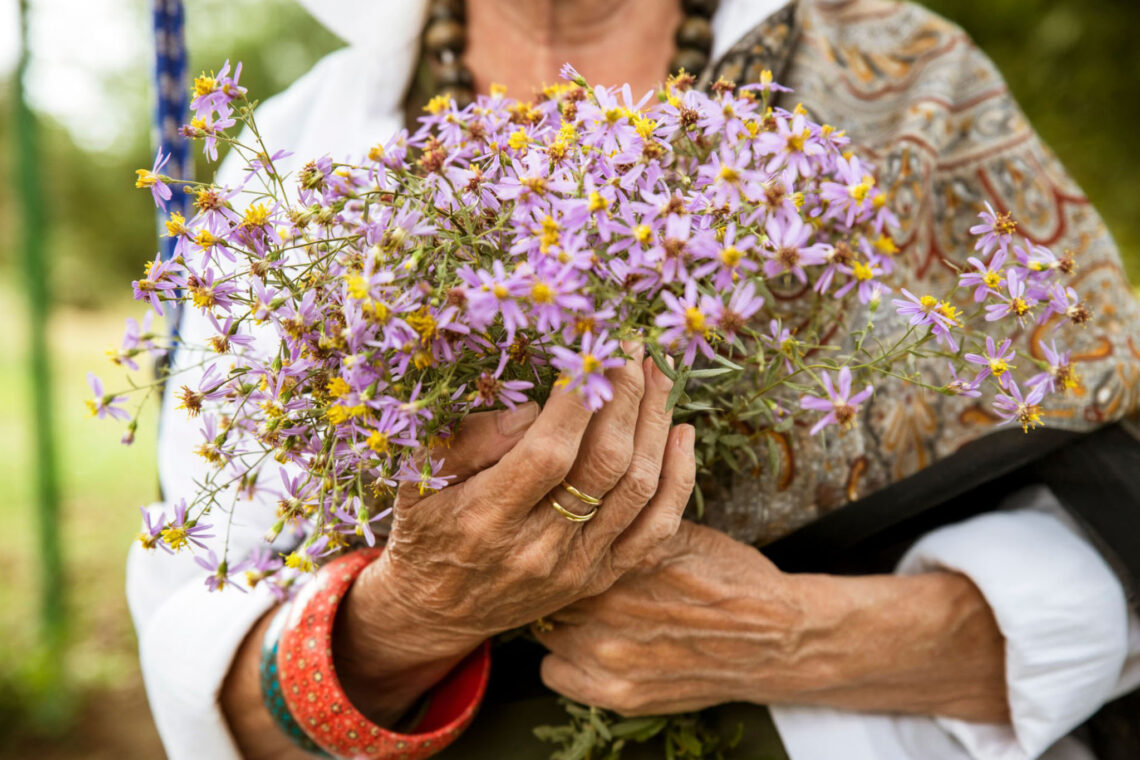
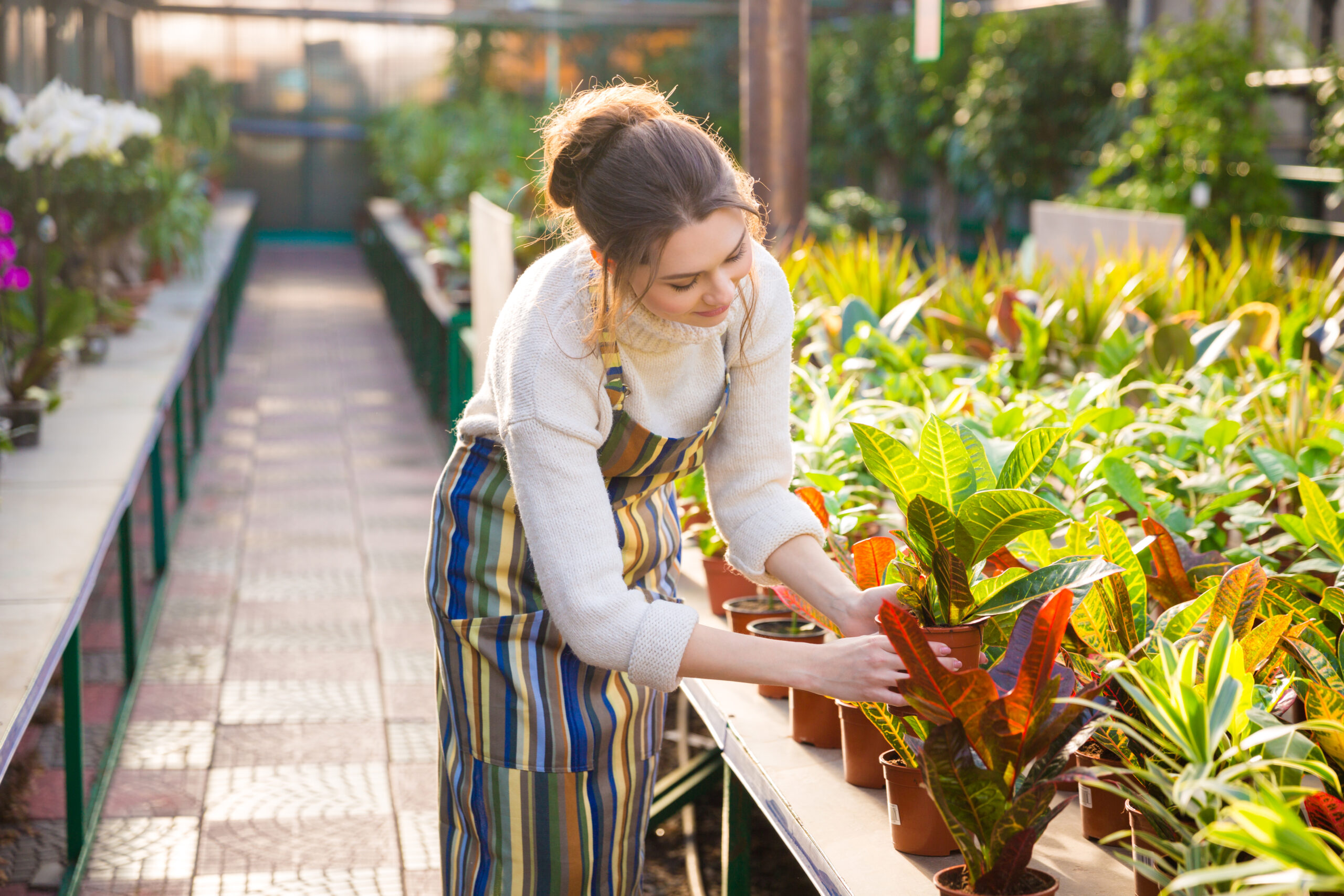
Indoor Gardening in December: Tips for Thriving Herb Gardens All Winter Long
When the crisp December air settles in and outdoor gardening slows to a halt, many gardeners turn to indoor spaces to keep their green thumbs active. The winter months don’t have to mean saying goodbye to fresh herbs; in fact, it’s the perfect time to start growing herbs indoors. With the right environment and care, you can have a thriving herb garden that provides fresh flavors all season long. Whether you’re new to indoor gardening or looking to improve your winter herb garden, here are some essential tips to ensure your herbs not only survive but thrive indoors during the colder months. Why Grow Herbs Indoors in December? Winter often…
-
Cold-Hardy Crops for Late Fall Planting: What You Can Still Grow This Season
As the crisp chill of fall settles in and the days shorten, many gardeners think it’s time to pack away their tools and prepare for winter. However, some of the best crops for late-season harvest can still thrive in your garden with just a little extra care and attention. If you’re hoping to extend your growing season into the colder months or simply want to make the most of your garden, you’re in luck. A variety of cold-hardy crops can be planted even in late fall, providing fresh produce long after the first frost. Here’s a closer look at what you can grow and how to ensure your plants survive…
-
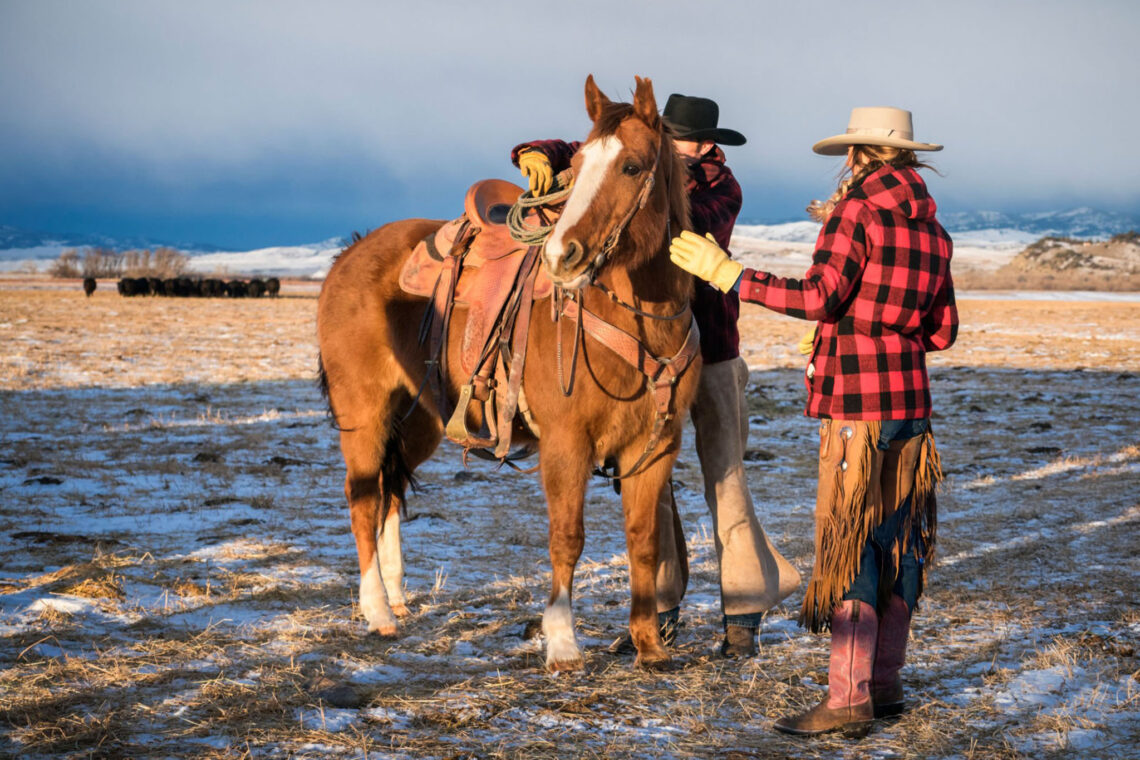
Low-Stress Moves: Handling Livestock Safely in Frozen Pastures
When winter settles across the countryside and pastures turn to slick, frozen ground, the job of moving livestock becomes a whole new challenge. Icy footing, cold-stiffened cattle, and limited daylight can turn even routine handling into risky situations for animals and ranchers alike. That’s why low-stress livestock handling isn’t just a philosophy during winter—it’s a necessity. If you’re working cattle, sheep, goats, or even bison in subfreezing conditions, these practices will help you keep animals calm, prevent injuries, and maintain control across frozen pastures. 1. Why Low-Stress Handling Matters Even More in Winter Cold weather does more than chill livestock—it changes their behavior. Winter Conditions Increase Risk Under these conditions,…
-
Cold-Weather Calving: What Ranchers Need to Prep Before the First Freeze
Cold snaps can turn a routine calving season into a high-stakes challenge. When temperatures dip, wet newborn calves lose heat fast, and frozen ground can increase stress on both cows and ranchers. That’s why successful cold-weather calving isn’t about reacting to storms—it’s about preparing for them long before the first freeze hits. Whether you’re managing a small family ranch or hundreds of head across wide-open pastures, here’s everything American ranchers should have dialed in before winter locks in. 1. Assess the Herd Early and Sort Before Weather Turns Preparation begins with the cows themselves. Before temperatures fall: ✔ Body Condition Scores (BCS) Cows entering late gestation in poor condition struggle…
-
The Last Green Push: Cold-Hardy Veggies You Can Still Plant Right Now
When winter creeps closer and frost whitens the edges of every fence post, most gardeners assume the growing season is done. But the cold months still hold one last opportunity—a final green push before winter fully claims the soil. With the right cold-hardy vegetables, you can plant now and enjoy fresh greens well into early winter, or set the stage for a strong harvest as soon as spring returns. Even in late fall or early winter, your garden has more potential than you think. You just need the right crops, smart timing, and techniques that help roots stay active when everything else appears frozen and dormant. Why Late-Fall Planting Still…
-
From Frozen Soil to Fresh Herbs: Indoor Growing Tricks for December
When December settles in and the garden beds outside turn stiff and silent under layers of frost, it’s easy to assume your growing season is done. But winter doesn’t have to signal the end of fresh flavor. With the right indoor techniques, you can transform frozen outdoor soil into a thriving indoor herb oasis—one that keeps your kitchen packed with basil, rosemary, mint, chives, cilantro, and more, all winter long. Indoor herb growing in December is more than just a workaround. It’s a smart, efficient way to stay connected to your garden, boost home self-sufficiency, and enjoy ingredients that taste nothing like the store-bought, plastic-wrapped version. Here’s how to make…
-
Early Winter Feeding: Balancing Nutrition When Pastures Freeze
As early winter sets in and pastures begin to freeze, ranchers face a critical challenge: ensuring that livestock continue to receive balanced nutrition while adapting to limited forage availability. Proper feeding strategies during this transitional period not only maintain animal health and body condition but also prevent costly weight loss and health complications later in the season. Why Early Winter Nutrition Matters Freezing temperatures significantly reduce the availability and quality of pasture forage. When grass and other forage sources are frozen or covered in frost, animals expend extra energy to stay warm, which increases their caloric requirements. Failing to adjust feeding routines can result in: Starting winter feeding adjustments early…
-
Shelter Smarts: Affordable Barn Upgrades for Cold Months
As winter temperatures drop, ensuring that your livestock has a warm, safe, and efficient shelter becomes a top priority. Harsh winds, snow, and freezing conditions can stress animals, reduce feed efficiency, and increase the risk of illness. But winter-proofing your barn doesn’t have to break the bank. With a few smart, cost-effective upgrades, you can create a cozy, functional space that protects your herd throughout the cold months. Why Winter Barn Upgrades Matter Cold stress affects both livestock health and farm productivity. When animals expend energy to stay warm, they eat more feed and may lose body condition, especially in prolonged cold spells. A well-prepared barn helps: Key Affordable Upgrades…