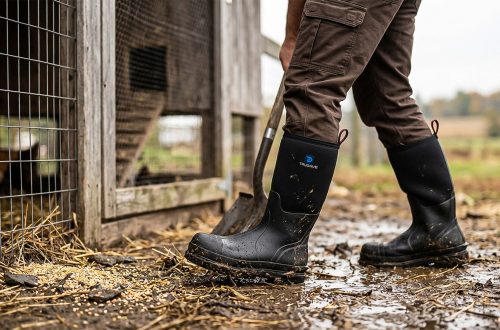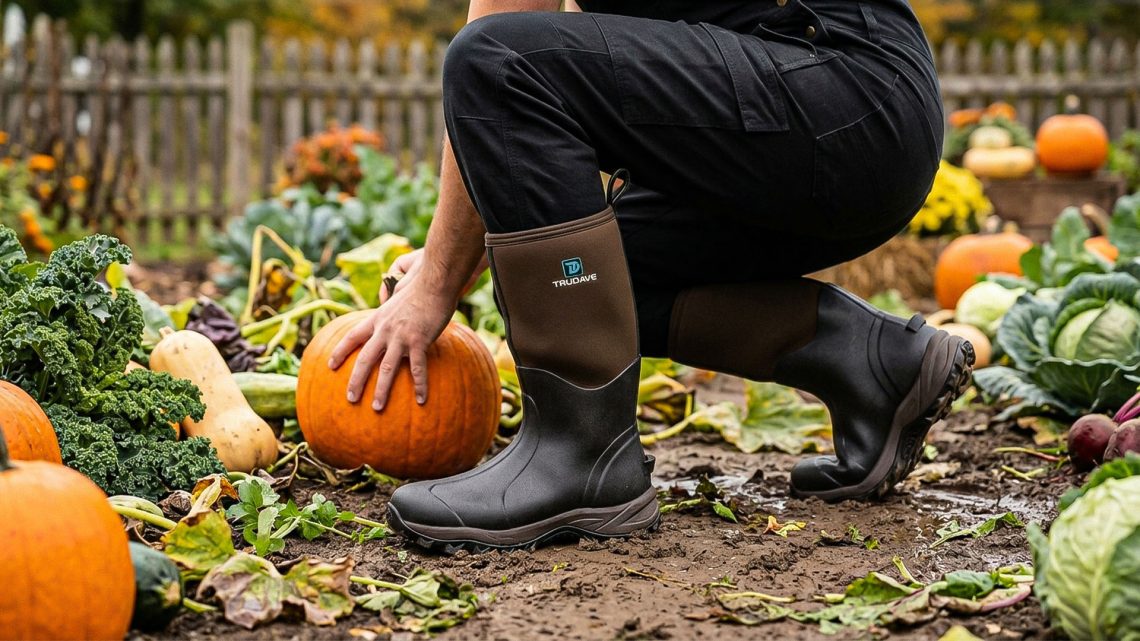
Best Boots for Asphalt Paving and Road Maintenance
Asphalt paving and road-maintenance work combines traffic, wet pavement, gravel shoulders, construction debris, heavy equipment, drainage, rain, heat, long standing shifts, and constant movement around trucks and machinery.
A road worker may begin the day setting up a work zone, walk along a wet shoulder, inspect drainage, work beside a milling machine, support a paving crew, climb onto equipment, direct trucks, repair pavement edges, and finish the shift cleaning tools or equipment after traffic control is removed.
Footwear may encounter:
- Wet asphalt.
- Gravel.
- Mud.
- Road shoulders.
- Milling debris.
- Standing water.
- Rain.
- Construction dust.
- Truck steps.
- Metal platforms.
- Equipment grease.
- Hot pavement.
That makes footwear an important part of daily road work.
The best boots for asphalt paving and road maintenance should provide secure mixed-surface traction, strong underfoot support, dependable weather protection, stable footing around equipment, and the task-specific protection required for hot materials, heavy machinery, sharp debris, and active work zones.
Road Work Happens Across Many Different Surfaces
Paving and maintenance crews rarely stay on one type of ground.
Workers may move between:
- Asphalt.
- Concrete.
- Gravel.
- Mud.
- Dirt shoulders.
- Equipment platforms.
That means overly specialized footwear can become limiting.
A rugged waterproof safety boot with balanced mixed-surface tread is often more practical than either a deep mud boot or a smooth indoor work shoe.
Waterproofing Matters More Than Many Road Workers Expect
Road construction is often associated with heat and dust, but crews also deal with substantial moisture.
Workers may encounter:
- Rain.
- Wet shoulders.
- Drainage repairs.
- Roadside ditches.
- Storm cleanup.
- Equipment washdown.
Fully waterproof footwear helps keep socks dry during long outdoor shifts.
Waterproof Does Not Mean Heat Resistant
This is especially important for asphalt work.
A waterproof boot is not automatically suitable for:
- Hot asphalt.
- Hot aggregate.
- Heated pavement materials.
Workers exposed to high temperatures should use footwear specifically designed for the thermal demands of the job and follow employer PPE requirements.
Boots for Asphalt Paving Crews
Paving crews may work around:
- Asphalt pavers.
- Dump trucks.
- Rollers.
- Hand tools.
Workers often need to walk beside moving machinery.
Useful footwear features include:
- Secure heel fit.
- Strong midsoles.
- Stable outsole contact.
- Safety-toe protection where required.
Boots for Paver Operators
Paver operators may spend time on:
- Machine platforms.
- Steps.
- Pavement.
Moderate outsole thickness helps with precise control.
Boots for Screed Operators
Workers near the rear of a paver may spend long periods on hot surfaces.
Task-specific heat-resistant footwear may be necessary.
Boots for Asphalt Rakers
Raking crews may walk across freshly placed or adjacent pavement.
Stable footing and strong underfoot support are important.
Hot Asphalt Requires Specialized Protection
Ordinary waterproof boots should not automatically be used for direct exposure to hot paving material.
Heat resistance should be verified separately.
Boots for Roller Operators
Roller drivers need:
- Good pedal control.
- Secure heel support.
- Stable machine-step contact.
Very bulky boots can reduce driving comfort.
Boots for Dump-Truck Spotters
Workers guiding trucks around paving operations may stand on:
- Gravel.
- Asphalt.
- Wet shoulders.
Mixed-surface traction is practical.
Boots for Truck Drivers
Drivers hauling:
- Asphalt.
- Aggregate.
- Milling material.
need footwear that balances:
- Driving comfort.
- Construction-site traction.
- Weather protection.
Boots for Asphalt Plant Workers
Paving crews may also work around hot-mix plants.
These facilities combine:
- Aggregate.
- Dust.
- Heat.
- Machinery.
Footwear requirements may be more industrial.
Boots for Aggregate Areas
Workers may walk across:
- Crushed stone.
- Sand.
- Gravel.
Strong midsoles help reduce underfoot discomfort.
Boots for Asphalt Plant Stairs
Plant workers may climb:
- Steel stairs.
- Platforms.
- Ladders.
Very deep mud lugs may be less precise.
Boots for Milling Crews
Road milling removes old pavement.
Workers may encounter:
- Asphalt chunks.
- Dust.
- Sharp debris.
- Wet pavement.
Durable safety footwear is important.
Puncture Hazards Matter Around Milling Debris
Old roadway material may include:
- Wire.
- Metal.
- Sharp fragments.
A thick outsole is not automatically puncture resistant.
Boots for Road Milling Machine Operators
Operators need stable contact on machine steps and platforms.
Moderate tread works well.
Boots for Ground Workers Around Milling Machines
Workers walking near moving equipment need:
- Secure heel fit.
- Protective toes.
- Good visibility practices.
- Stable footing.
Boots for Road Repair Crews
Maintenance employees may patch:
- Potholes.
- Cracks.
- Shoulders.
Ground conditions can vary significantly.
Boots for Pothole Repair
Workers may move between:
- Asphalt.
- Gravel.
- Mud.
- Truck beds.
Mixed-surface waterproof safety boots are practical.
Boots for Cold-Patch Work
Cold-patch material may still create messy work conditions.
Easy-clean uppers are useful.
Boots for Crack-Sealing Crews
Crack-sealing work may involve heated materials.
General waterproof footwear may not provide enough heat protection.
Boots for Road Shoulder Maintenance
Shoulders may contain:
- Gravel.
- Dirt.
- Mud.
- Grass.
Outdoor traction becomes more important.
Boots for Gravel Shoulders
Supportive midsoles reduce pressure from coarse stone.
Boots for Muddy Shoulders
Rain can soften roadside soil quickly.
Open tread channels help release mud.
Boots for Roadside Drainage Crews
Maintenance crews may work around:
- Ditches.
- Culverts.
- Catch basins.
These areas can be wet and muddy.
Boots for Ditch Cleaning
Mid-calf waterproof boots are useful for:
- Standing water.
- Soft soil.
Boots for Culvert Maintenance
Workers may encounter:
- Mud.
- Gravel.
- Water.
- Debris.
Ankle support and open tread are helpful.
Boots for Storm Drain Cleaning
Urban road crews may work around:
- Wet concrete.
- Asphalt.
- Standing water.
Moderate hard-surface tread works well.
Boots for Catch Basin Crews
Workers may handle:
- Grates.
- Debris.
- Water.
Protective toes may be appropriate.
Boots for Roadside Grass and Brush Crews
Highway maintenance includes vegetation management.
Workers may walk through:
- Wet grass.
- Mud.
- Uneven shoulders.
Mid-height waterproof boots are practical.
Boots for String-Trimming Crews
Durable toe areas can help protect against small debris.
Boots for Brush-Cutting Crews
Dense vegetation can hide:
- Holes.
- Rocks.
- Debris.
Ankle support matters.
Boots for Herbicide Application
Waterproofing does not automatically mean chemical resistance.
Workers should follow product-specific PPE requirements.
Boots for Guardrail Crews
Roadside workers may repair or install:
- Guardrails.
- Posts.
- Fasteners.
Sharp metal creates puncture hazards.
Boots for Guardrail Installation
Safety footwear may need:
- Protective toes.
- Puncture-resistant soles.
Boots for Sign Installation Crews
Road signs may require:
- Digging.
- Post handling.
- Gravel walking.
Rugged waterproof boots are practical.
Boots for Traffic-Control Workers
Flaggers may stand for hours on:
- Asphalt.
- Concrete.
Cushioning becomes critical.
Boots for Flaggers in Rain
Workers may remain outdoors in wet weather.
Fully waterproof boots help maintain comfort.
Boots for Long Standing Shifts
Flaggers and spotters need strong midsoles and heel cushioning.
Boots for Night Road Work
Many paving projects take place at night.
Reduced visibility increases the importance of:
- Secure traction.
- Good site lighting.
- Controlled movement.
Boots for Wet Night Shifts
Rain plus low visibility can make pavement more difficult.
Moderate hard-surface tread is practical.
Boots for Highway Construction
Larger projects may include:
- Excavation.
- Bridges.
- Drainage.
- Paving.
Workers need versatile safety footwear.
Boots for Bridge Approach Work
Surfaces may include:
- Gravel.
- Steel.
- Concrete.
Mixed-surface traction is useful.
Boots for Concrete Road Crews
Road workers may also handle concrete.
Waterproof footwear is not automatically suitable for direct wet cement exposure.
Boots for Fresh Concrete Exposure
Workers should use footwear compatible with cementitious material and workplace PPE requirements.
Boots for Road Base Crews
Before paving, workers may prepare:
- Aggregate base.
- Compacted soil.
Strong underfoot support matters.
Boots for Compaction Crews
Workers may operate:
- Rollers.
- Plate compactors.
Stable equipment control is important.
Boots for Grading Crews
Workers may move across uneven dirt and aggregate.
Ankle support and durable tread help.
Boots for Survey Support Crews
Workers may walk long distances along:
- Shoulders.
- Embankments.
- Construction zones.
Low boot weight reduces fatigue.
Boots for Road Inspectors
Inspectors may transition between:
- Vehicles.
- Pavement.
- Mud.
- Gravel.
A versatile waterproof safety boot works well.
Boots for Highway Maintenance Mechanics
Road departments maintain:
- Trucks.
- Rollers.
- Pavers.
- Loaders.
Mechanics may encounter:
- Oil.
- Grease.
- Hydraulic fluid.
Waterproof Does Not Mean Oil Resistant
Outsole material compatibility should be checked separately.
Boots for Hydraulic Repairs
Heavy road equipment relies on hydraulic systems.
Oil-resistant outsoles may be useful.
Boots for Diesel Maintenance
Fuel exposure requires appropriate material compatibility.
Boots for Welding and Fabrication
Maintenance shops may perform:
- Welding.
- Metal cutting.
General waterproof boots are not automatically suitable for hot-metal exposure.
Boots for Road Equipment Washdown
Pavers and trucks may require cleaning.
Workers may use:
- Hoses.
- Pressure washers.
Mid-calf waterproof boots are useful for ordinary splash.
Pressure Washing Safety
Waterproof boots do not protect against direct high-pressure spray.
Boots for Equipment Fueling
Fueling crews may handle:
- Diesel.
- Gasoline.
Waterproofing does not automatically mean fuel resistance.
Boots for Road Maintenance Garages
Indoor shops may have more:
- Concrete.
- Oil.
- Tools.
Safety boots with hard-floor cushioning are practical.
Boots for Snowplow Drivers
Road maintenance continues through winter.
Drivers may move between:
- Truck cabs.
- Snow.
- Slush.
- Ice.
Insulated waterproof work boots provide good versatility.
Boots for Snow Removal Crews
Workers may operate:
- Plows.
- Loaders.
- Salt trucks.
Pedal control remains important.
Boots for Slush
Mid-height or mid-calf boots help keep meltwater out.
Ice Requires Separate Traction Measures
No ordinary work boot eliminates ice risk.
Approved traction aids may be necessary.
Boots for Road Salt Crews
Deicing material can accumulate on footwear.
Regular cleaning helps remove residue.
Boots for Salt Spreader Operators
Moderate outsole thickness improves vehicle control.
Boots for Winter Road Repairs
Cold-weather pothole crews may work in:
- Snow.
- Slush.
- Wet pavement.
Insulated waterproof boots are practical.
Boots for Summer Paving Work
Hot weather creates a very different challenge.
Workers should avoid unnecessary insulation.
Useful features include:
- Manageable boot weight.
- Moisture-wicking socks.
- Heat-appropriate materials.
Waterproof Boots Can Still Become Damp Inside
Sweat may create internal moisture.
Daily drying is important.
Boots for Hot Pavement
Road surfaces can become extremely hot in summer.
Workers should use footwear suitable for the thermal environment.
Boots for Spring Road Maintenance
Spring may bring:
- Potholes.
- Mud.
- Drainage issues.
Waterproof mixed-surface boots are especially useful.
Boots for Fall Road Work
Autumn may involve:
- Rain.
- Wet leaves.
- Road repairs.
Wet organic debris can reduce traction.
Boots for Storm Response
Heavy storms may create:
- Flooded roads.
- Downed branches.
- Washed-out shoulders.
Workers may need more protective footwear.
Floodwater Requires Additional Caution
Flooded roads may hide:
- Debris.
- Holes.
- Electrical hazards.
- Contaminants.
General waterproof boots do not automatically provide adequate protection.
Boots for Emergency Road Crews
Emergency workers may operate in:
- Rain.
- Darkness.
- Traffic.
Secure fit and reliable traction are critical.
Boots for Roadside Tree Cleanup
Storm cleanup may involve saws and heavy branches.
Chainsaw work requires specialized cut-resistant footwear.
Boots for Asphalt Delivery Drivers
Drivers may repeatedly enter and exit around:
- Hot pavement.
- Gravel.
- Wet sites.
Structured safety boots work well.
Boots for Trailer and Tanker Operators
Operators should prioritize:
- Pedal control.
- Stable steps.
- Secure heel support.
Boots for Paving Material Yards
Aggregate and asphalt facilities may have:
- Gravel.
- Dust.
- Mud.
Rugged footwear is practical.
Boots for Road Construction Warehouses
Supply areas may store:
- Signs.
- Tools.
- Fasteners.
- PPE.
Workers may spend more time on concrete.
Hard-floor cushioning becomes important.
Boots for Pallet Handling
Protective toes may be appropriate around:
- Pallet jacks.
- Forklifts.
Boots for Forklift Operators
Drivers need:
- Good pedal feel.
- Moderate outsole thickness.
- Secure heel fit.
Boots for Long Road Work Shifts
Paving projects may involve extended hours.
Workers may spend much of the day:
- Standing.
- Walking.
- Driving.
- Climbing equipment.
Comfort becomes increasingly important.
Cushioning Matters on Asphalt and Concrete
Hard surfaces create repeated impact.
Supportive midsoles help reduce fatigue.
Boot Weight Matters
Heavy footwear adds fatigue across long shifts.
Heel Retention Matters Around Equipment
Secure fit improves controlled movement.
Ankle Support Matters on Gravel and Shoulders
Uneven terrain can change foot angle quickly.
Forefoot Flexibility Helps Road Workers
Workers frequently:
- Crouch.
- Climb.
- Kneel.
- Use hand tools.
The boot should move naturally.
Toe Room Matters During Long Shifts
Feet may swell after hours of work.
Enough toe space improves comfort.
Best Socks for Road Construction Workers
Synthetic and wool-blend socks generally perform better than cotton.
Useful features include:
- Moisture wicking.
- Quick drying.
- Heel cushioning.
- Temperature regulation.
Spare Socks Can Be Useful
Rain or drainage work may allow water into footwear.
A dry pair improves comfort.
Removable Insoles Improve Daily Drying
Replaceable footbeds allow workers to:
- Dry boots.
- Restore cushioning.
- Improve hygiene.
- Adjust support.
Easy-Clean Construction Is Important
Road-work boots may collect:
- Mud.
- Asphalt dust.
- Gravel.
- Oil residue.
Smooth durable uppers simplify maintenance.
How to Clean Asphalt Work Boots
For ordinary site dirt:
- Remove loose gravel.
- Brush mud and debris from tread.
- Clean ordinary road dust.
- Follow manufacturer guidance for asphalt or petroleum residue.
- Follow workplace procedures after chemical exposure.
- Remove damp insoles.
- Allow footwear to dry completely.
Avoid Improvised Solvents
Strong solvents may damage:
- Rubber.
- Adhesives.
- Waterproof components.
Follow footwear care instructions.
How to Dry Road Work Boots
After appropriate cleaning:
- Remove insoles.
- Open boots fully.
- Allow airflow.
- Use low-temperature drying if approved.
Avoid excessive direct heat.
Rotating Two Pairs Can Help Full-Time Road Crews
Daily rain, mud, or long shifts may prevent one pair from drying completely.
Alternating footwear provides more drying time.
When Asphalt Work Boots Should Be Replaced
Replace footwear when:
- Waterproofing fails.
- Tread becomes badly worn.
- Heat damage appears.
- Outsole separation develops.
- Puncture damage occurs.
- Heel support collapses.
- Oil or chemical damage appears.
- Safety components are compromised.
Are Waterproof Boots Good for Asphalt Work?
They can be useful for:
- Rain.
- Wet shoulders.
- Drainage.
- Mud.
However, waterproofing alone does not make a boot suitable for hot asphalt.
Do Asphalt Workers Need Heat-Resistant Boots?
Workers directly exposed to hot paving material may need footwear designed for high-temperature surfaces.
Employer and task-specific PPE requirements should guide selection.
Do Road Workers Need Safety-Toe Boots?
Many paving, construction, equipment, loading, and maintenance roles may require protective-toe footwear.
Do Road Workers Need Puncture-Resistant Boots?
Puncture protection may be useful around:
- Milling debris.
- Guardrail work.
- Construction debris.
- Nails.
- Metal fragments.
Are Rubber Boots Good for Road Maintenance?
Rubber boots can be useful for:
- Drainage.
- Rain.
- Mud.
- Washdown.
They are not automatically appropriate for hot asphalt or heavy construction tasks.
Common Mistakes When Buying Asphalt Work Boots
Assuming Waterproof Means Heat Resistant
These are separate properties.
Buying Thin Rain Boots for Gravel and Construction Work
They may lack underfoot support.
Choosing Extremely Deep Mud Lugs for Equipment Operators
Pedal and step control may suffer.
Ignoring Puncture Hazards
Roadwork can involve sharp metal and milling debris.
Ignoring Asphalt-Floor Heat
Hot pavement can create footwear damage and discomfort.
Wearing Boots Too Loose
Secure fit improves movement around trucks and machinery.
Assuming Waterproof Means Oil Resistant
Road equipment maintenance may require additional material properties.
Letting Gravel and Debris Build Up in Tread
Debris can reduce stable contact on machine steps.
How to Choose the Best Boots for Asphalt Paving Work
Start with the worker’s primary responsibilities.
For general paving crews, prioritize:
- Structured safety construction.
- Strong midsoles.
- Secure heel fit.
- Appropriate heat resistance where needed.
For road-maintenance crews, prioritize:
- Waterproof construction.
- Mixed-surface traction.
- Good cushioning.
For drainage workers, prioritize:
- More shaft coverage.
- Open mud tread.
- Easy-clean uppers.
For milling crews, prioritize:
- Safety toes.
- Puncture resistance where required.
- Durable construction.
For roller and paver operators, prioritize:
- Pedal control.
- Moderate outsole thickness.
- Stable machine-step contact.
For mechanics, prioritize:
- Safety ratings.
- Oil resistance where needed.
- Puncture or heat protection appropriate to the task.
Workers comparing waterproof footwear from brands such as Trudave Gear should choose boots based on the actual combination of wet shoulders, gravel, mud, road maintenance, equipment operation, and general outdoor work involved in their job. Direct hot-asphalt exposure may require specialized footwear beyond ordinary waterproof work boots.
Frequently Asked Questions
What are the best boots for asphalt paving work?
The best asphalt work boots are supportive, securely fitted, durable, comfortable on hard surfaces, and equipped with the safety and heat protection required for the worker’s actual paving task.
Are waterproof boots good for road construction?
Yes. Waterproof boots are useful for rain, muddy shoulders, drainage, and wet construction sites.
Are waterproof boots safe on hot asphalt?
Not automatically. Heat resistance should be evaluated separately.
What boots are best for road maintenance crews?
Waterproof safety boots with good hard-surface cushioning, mixed-surface tread, secure heel support, and enough outdoor traction for gravel and mud are practical.
Do asphalt workers need safety-toe boots?
Many paving, equipment, maintenance, and construction roles may require protective-toe footwear.
Do road workers need puncture-resistant boots?
Some milling, guardrail, construction, and debris-heavy jobs may benefit from puncture-resistant footwear.
What boots are best for roadside drainage crews?
Mid-height or mid-calf waterproof boots with open tread channels, supportive midsoles, ankle support, and easy-clean uppers work well.
What boots are best for roller operators?
Structured work boots with moderate outsole thickness, secure heel fit, stable equipment-step traction, and good pedal control are practical.
Are deep-lug boots good for paving crews?
Usually not for workers spending most of the day on asphalt and equipment. Moderate mixed-surface tread is often more versatile.
How should asphalt work boots be cleaned?
Remove gravel and mud, clean tread grooves, follow manufacturer guidance for asphalt or petroleum residue, avoid unapproved solvents, and allow footwear to dry completely.
Final Thoughts
Asphalt paving and road maintenance combine wet pavement, gravel, mud, heavy equipment, milling debris, roadside drainage, truck traffic, hot surfaces, rain, and long shifts on hard construction ground.
The best footwear depends on the worker’s actual role.
General road-maintenance crews need waterproof boots with dependable mixed-surface traction.
Paving workers may require specialized heat-resistant footwear.
Milling crews may need additional puncture protection.
Drainage employees benefit from greater waterproof coverage.
Equipment operators need reliable pedal and step control.
Maintenance technicians may require oil, heat, puncture, or other task-specific safety features.
Trudave Gear offers waterproof outdoor and work footwear suited to rain, mud, gravel, roadside maintenance, equipment yards, and demanding outdoor work environments.
Choosing footwear according to the actual road-work task can help workers stay drier, reduce fatigue, maintain better footing, and remain more comfortable from the first traffic-control setup before sunrise to the final equipment inspection after the paving crew clears the work zone.


You May Also Like
Subtle Indicators Your Winter Lots Aren’t Recovering Properly
Best Boots for Dairy Processing and Milk Production Work