Cold-Weather Calving: What Ranchers Need to Prep Before the First Freeze
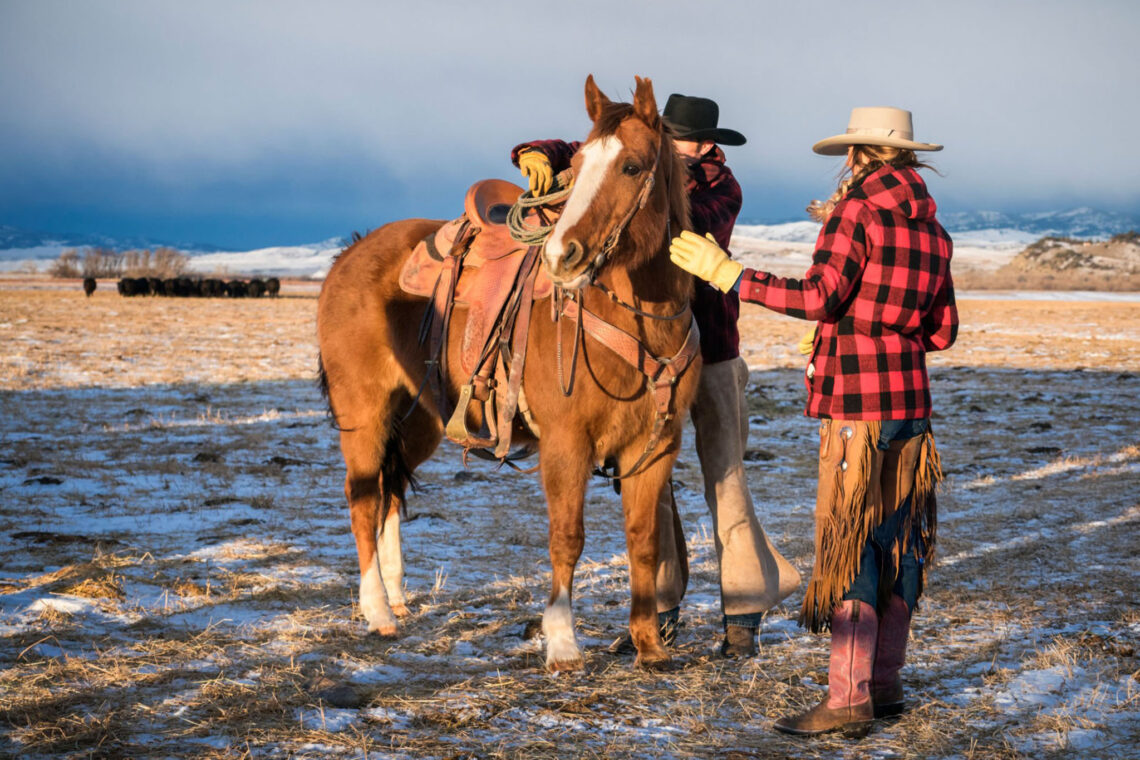
Cold snaps can turn a routine calving season into a high-stakes challenge. When temperatures dip, wet newborn calves lose heat fast, and frozen ground can increase stress on both cows and ranchers. That’s why successful cold-weather calving isn’t about reacting to storms—it’s about preparing for them long before the first freeze hits.
Whether you’re managing a small family ranch or hundreds of head across wide-open pastures, here’s everything American ranchers should have dialed in before winter locks in.
1. Assess the Herd Early and Sort Before Weather Turns
Preparation begins with the cows themselves. Before temperatures fall:
✔ Body Condition Scores (BCS)
Cows entering late gestation in poor condition struggle to maintain warmth and produce strong, healthy calves.
- Aim for BCS 5–6 before winter
- Thin cows should be separated and fed higher-energy rations
- Check heifers closely—they’re more vulnerable during cold calving seasons
✔ Identify High-Risk Animals
Sort and tag animals that may need extra monitoring:
- First-calf heifers
- Older cows
- Cows with previous calving issues
- Late-gestation cows close to their due windows
Having them grouped early helps avoid chaos in the dark, windy hours of a cold front.
2. Prepare Warm, Dry Calving Shelters That Beat the Chill
A newborn calf can lose body heat four times faster in freezing temperatures. Shelter is non-negotiable.
Key Shelter Features for Cold-Weather Calving
- Wind breaks (natural or constructed)
- Dry bedding, refreshed daily
- Ventilation without drafts
- Space to separate cow-calf pairs
- Access to warm water and feed
Even a simple three-sided shed with deep straw bedding can mean the difference between a thriving calf and a hypothermic one.
Portable Shelters
Many ranchers use lightweight, movable sheds or windbreak panels so they can shift protection to wherever the herd is grazing.
3. Stock Up on Winter Calving Essentials
When the ground is frozen solid and a front is blowing in, there’s no time for town runs. Your winter calving kit should be prepped and complete.
Essential Gear to Have Ready
- OB chains/handles
- Calf puller
- Towels (lots of them)
- High-quality colostrum replacer
- Tube feeder
- Disinfectants
- Iodine for navels
- Thermal blankets for calves
- Calf sled or sled stretcher for icy terrain
- Extra heat lamps or portable warmers
If you think you might need it, you probably will need it when the weather goes sideways.
4. Increase Energy in Late-Gestation Feed Rations
Cold weather increases energy demand—both for pregnant cows and for milk production after calving.
Nutritional Adjustments for Cold Spells
- Add high-energy supplements when temperatures drop
- Provide free-choice mineral formulations for winter
- Ensure constant access to unfrozen water
- Maintain adequate forage quality, especially for first-calf heifers
A cow that’s fighting cold and hunger won’t have the reserves she needs to calve smoothly or raise a strong calf.
5. Create a Calving-During-Storm Protocol
Winter storms often hit at night, and the worst conditions usually coincide with the most vulnerable hours of calving. Don’t improvise—plan.
Your Calving Protocol Should Include:
- Who checks the herd and when
- Where high-risk cows are moved
- When to intervene during labor
- How to transport calves in snow/ice
- Emergency contacts (vet, equipment repair, feed supplier)
Night Check Strategy
Most ranchers run:
- 10 p.m. check
- 2 a.m. check
- Pre-dawn check
If temperatures dip dramatically or a storm front approaches, increase frequency.
6. Plan for Calf Warm-Up Zones
No matter how well you prepare, cold-stressed calves happen during winter calving.
Create a Heat/Rehab Area That Includes:
- A warming box or insulated room
- Controlled heat (no overheating)
- Dry towels
- Electrolytes
- Easy access to colostrum
- Clean bedding
Calves that get warmed and fed fast have dramatically higher survival rates.
7. Maintain Critical Ranch Infrastructure
Frozen equipment can stall an entire calving season.
Check the Following Before Winter Hits:
- Waterers (insulate or heat as needed)
- Fences and gates
- Backup generators
- Fuel storage
- ATVs, UTVs, and tractors
- Lighting around barns and pens
- Heating systems
A frozen hydrant or broken panel in the middle of a blizzard is the last thing any rancher wants.
8. Don’t Forget Cow Comfort
Stressed cows have longer labors and weaker calves.
Cow-Comfort Improvements for Winter
- Add extra bedding
- Keep feeding areas dry
- Reduce overcrowding
- Provide windblock access in open pastures
Calm cows calve more efficiently—and care better for newborns.
9. Know When to Call the Vet
Cold weather can hide early signs of calving trouble. If you see:
- Hard labor lasting more than 30 minutes with no progress
- Abnormal presentation
- Weak or nonresponsive calves
- Delayed placenta shedding
Call your veterinarian before conditions get severe.
Final Thoughts
Cold-weather calving might be one of the toughest parts of ranch life, but with the right preparation, it can be both manageable and highly successful. The key is pre-freeze planning—organizing shelters, strengthening feed programs, gathering supplies, and having a clear protocol before the first Arctic blast arrives.
When the wind is howling at midnight and the thermometer is barely above zero, the ranchers who prepared early are the ones pulling healthy, vigorous calves from the straw—no matter what winter throws their way.


You May Also Like
From Garden to Pantry: Preserving Your Fall Harvest
Prepping Winter Feed: Smart Hay Management Before the First Snow