-
Cover Crops That Survive: Choosing the Best Plants for Late Fall Planting
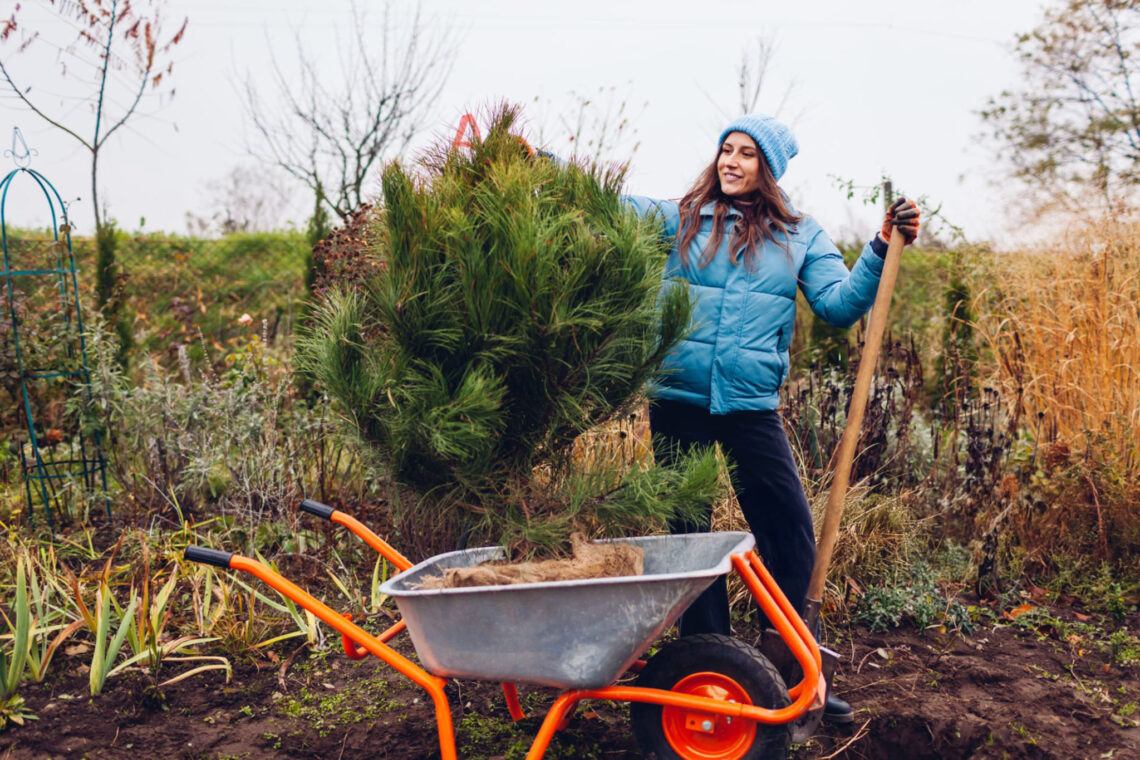
As the days grow shorter and temperatures begin to drop, many gardeners might assume it’s time to let their soil rest. However, late fall is the perfect time to plant cover crops—also known as green manure—to protect your soil, improve fertility, and set the stage for a productive spring. Choosing the right cold-hardy cover crops ensures that your garden continues to thrive, even as the temperatures dip. Why Plant Cover Crops in Late Fall? Planting cover crops in late fall offers multiple benefits: Key Factors When Choosing Late-Fall Cover Crops When selecting cover crops for late fall, gardeners should consider: Best Cold-Hardy Cover Crops for Late Fall Here are some…
-
Late-Season Harvest: Extending Your Garden’s Productivity Before Snow
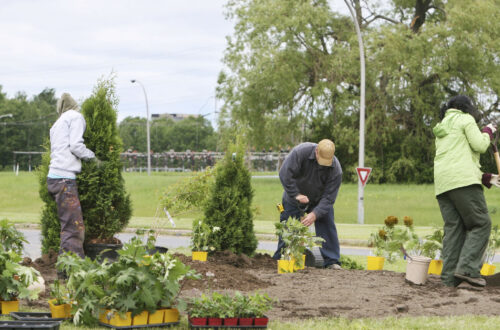
As winter approaches, many gardeners reluctantly watch their hard-earned crops fade. But just because the calendar edges toward frost doesn’t mean your garden season has to end. With strategic planning, careful plant selection, and smart techniques, you can extend your harvest well into late fall and even early winter. This guide walks you through actionable tips to make the most of your garden before the snow settles in. Understanding Your Garden’s Late-Season Window The late-season garden is all about timing. Different vegetables, herbs, and even fruits have varying tolerances to cold and frost. Knowing the first expected frost date in your region is crucial. This allows you to select crops…
-
Low-Temp Calving Prep: Setting Up Warm Zones Before a Surprise Birth
Winter calving can test even the most seasoned rancher. When temperatures dip below freezing and wind chill drives conditions into the danger zone, a surprise calving event can turn from routine to life-threatening in minutes. Newborn calves lose heat rapidly, and a cow struggling through labor in frozen conditions burns precious energy she needs for recovery. That’s why preparing warm zones before calving season begins—or before the next cold front hits—is one of the smartest, most cost-efficient winter strategies a rancher can make. This guide breaks down exactly how to build them, where to place them, and how to maintain them through unpredictable winter weather. Why Low Temps Turn Calving…
-
Wind-Chill Warriors: Building Low-Cost Shelter That Actually Holds Heat
When winter storms settle over your homestead, wind chill becomes a bigger enemy than snow or ice. It steals heat from barns, dries out soil, stresses livestock, and can kill tender perennials overnight. But here’s the good news: you don’t need a high-end greenhouse or insulated outbuilding to fight it. With a little planning and a handful of budget-friendly materials, you can build wind-resistant, heat-holding shelters that protect your animals, your plants, and your peace of mind all winter long. This guide breaks down practical, low-cost structures that perform exceptionally well in real-world cold—especially the deep freezes and sudden temperature swings common across the U.S. from December through February. Why…
-
Root Zone Warmth: Smart Mulching Tricks for Sub-Zero Nights
When temperatures plummet and the landscape moves into its deep-winter freeze, your garden’s root zone becomes the frontline of survival. Above-ground growth may sleep, but roots never fully shut down — and harsh freeze-thaw cycles, dry soil, and sudden cold snaps can inflict serious damage. That’s where winter mulching becomes one of the most powerful tools in a gardener’s arsenal. Mulch doesn’t “heat” the soil. Instead, it insulates it. Think of it as a winter blanket that slows temperature swings, locks in moisture, and protects your plants’ most vulnerable tissues during sub-zero nights. Whether you grow vegetables, fruit trees, ornamentals, or perennials, strategic winter mulching can mean the difference between…
-
Winter Watering Wisdom: Why Your Trees Still Need Moisture in the Coldest Months
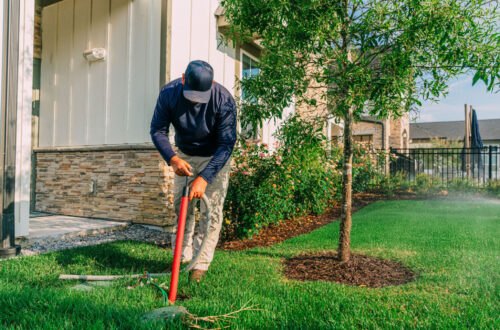
Most people assume that once winter arrives and the ground freezes, trees simply “shut off.” Leaves are down, growth is paused, and the cold sets in — so watering must not matter anymore, right? Not exactly. Even in the coldest months, your trees remain very much alive. Their roots don’t stop functioning, their cells still need moisture, and their survival depends on water more than most homeowners or growers realize. In fact, improper winter watering is one of the leading causes of cold-season tree stress, dieback, and spring failure — especially in young plantings and evergreens. This guide breaks down why winter watering matters, how to do it safely, when…
-
December Predator Patrol: Protecting Livestock When Food Gets Scarce for Wildlife
December brings more than cold mornings, frozen troughs, and short grazing days. It marks the beginning of a seasonal squeeze on wildlife, when natural food sources thin out, prey becomes less available, and predators begin taking bigger risks to survive. Coyotes push closer to barns. Bobcats trail fence lines at dawn. Mountain lions, foxes, and even eagles start scouting easier meals. And for livestock owners across the U.S., this shift means one thing: winter predator pressure is officially here. This article dives into why predator activity spikes in December, what signs to watch for, and how ranchers can use practical, field-tested strategies to keep their herds safe—without disrupting pasture management,…
-
Winter Grazing Math: How to Stretch Pasture Days Without Shorting Your Herd
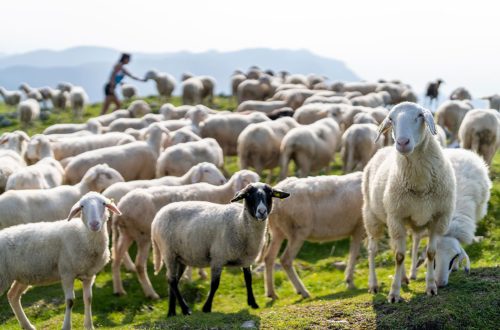
When winter settles in and the pastures shift from lush green to dormant brown, ranchers across the U.S. face the same challenge: how to keep cattle fed without burning through expensive hay too early in the season. Stretching your winter grazing window isn’t just luck—it’s a strategic balance of forage budgeting, herd management, and cold-season planning. And when done right, it can reduce feed costs, protect pasture health, and keep your herd performing all winter long. This guide breaks down the “winter grazing math”—the real decisions and calculations that determine whether your forage will last until spring or run out just when temps hit their coldest. Why Winter Grazing Matters…
-
Cold-Weather Compost Boosters: Feeding Your Soil When Temps Drop Below Freezing
When winter settles in and nighttime temps slide below freezing, many gardeners assume their compost piles turn to frozen monuments—silent, inactive, and waiting for spring. But the truth is far more encouraging: composting doesn’t stop in the cold. It simply slows down. And with the right “boosters,” your compost can continue breaking down organic matter all winter long, producing rich, microbe-heavy nutrients ready for early spring planting. If you want your pile to stay alive—even when the thermometer reads 20°F or lower—December is the time to strengthen it. Here’s how to supercharge your winter compost and keep the biology thriving through the coldest months. 1. Start With Heat: Build a…
-
Winter Soil Revival: Simple December Steps That Supercharge Spring Growth
As December settles in and your garden slips into its quietest phase of the year, the soil beneath it is far from dormant. Winter is one of the most overlooked opportunities for improving soil health, boosting nutrient availability, and setting the stage for a vibrant, productive spring. While most growers hang up their tools once frost arrives, savvy gardeners know December is the month when soil work pays its biggest dividends. Here’s how to revive your soil during early winter—and ensure your spring beds wake up stronger than ever. 1. Start With a Clean Slate: Remove Debris Without Over-Disturbing Soil December cleanup isn’t about stripping the garden bare; it’s about…