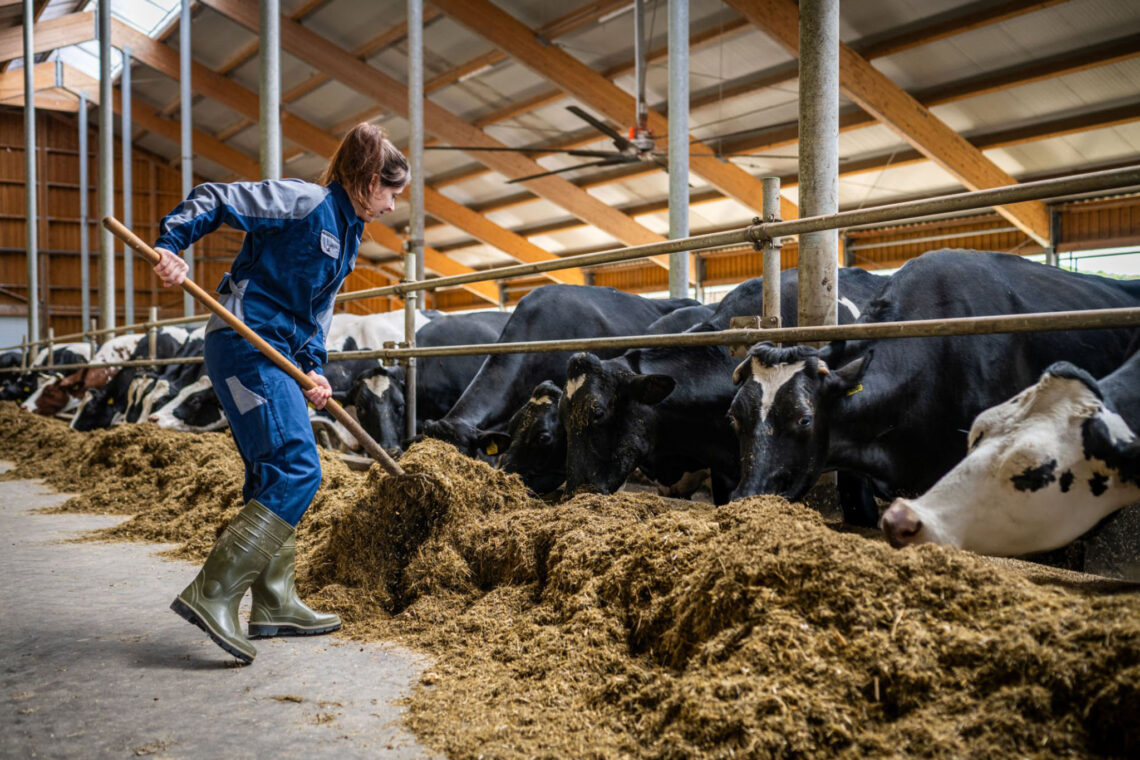
Homestead Efficiency: Small Fixes That Save Big on Winter Feed Costs
As temperatures drop and snow begins to blanket pastures, livestock feeding becomes one of the largest expenses for any homestead or ranch. Winter feed costs can quickly erode budgets, especially in regions with long, harsh winters. Fortunately, a few strategic adjustments can dramatically reduce expenses without sacrificing animal health or productivity.
This guide explores practical, cost-saving strategies for homesteaders aiming to stretch winter feed supplies while maintaining healthy livestock.
1. Why Winter Feed Costs Spike
Several factors drive winter feed expenses:
- Loss of pasture growth: Grass stops growing as temperatures drop, requiring supplemental feed.
- Increased energy needs: Animals expend more calories keeping warm.
- Storage and spoilage issues: Hay and silage can lose quality if not stored properly.
Understanding these challenges helps homesteaders target effective cost-saving measures.
2. Small Fixes That Yield Big Savings
a. Improve Pasture Management Before Winter
A healthy pasture entering winter reduces the need for supplemental feeding. Actions to consider in the fall include:
- Rotational grazing: Extend grazing days and allow pasture recovery.
- Overseeding: Plant hardy forage varieties that grow later into fall.
- Stockpiling forage: Allow a portion of pasture to grow for late-season grazing.
These steps reduce reliance on purchased feed.
b. Optimize Hay Quality and Storage
Hay quality directly affects how much livestock consume. Lower-quality hay means animals eat more to meet nutritional needs. Strategies to save:
- Store hay in covered, dry areas to prevent spoilage.
- Keep hay bales elevated off the ground to avoid moisture absorption.
- Invest in hay nets or slow-feeders to reduce waste.
Better hay management can cut winter feed costs by 20–30%.
c. Use Feed Supplements Strategically
Instead of overfeeding grain or high-cost supplements, target nutrition when it’s most needed:
- Provide extra grain only during extreme cold or when forage is insufficient.
- Use mineral blocks or licks to maintain health without overfeeding costly rations.
- Incorporate agricultural byproducts like beet pulp, soybean hulls, or spent brewery grains for cost-efficient energy.
d. Harness Forage Alternatives
Reduce purchased feed dependency by incorporating alternative forages:
- Leafy brassicas (like kale, turnips, and rape) grown in late summer or fall.
- Crop residues (corn stalks, wheat straw) as supplemental roughage.
- Silage made from high-yield crops stored properly to last through winter.
These options keep animals nourished without excessive costs.
e. Enhance Water Access
Cold weather increases animals’ need for water. Frozen water sources can slow consumption, leading animals to overeat feed for hydration. Prevent this by:
- Installing heated waterers or insulated troughs.
- Regularly checking and breaking ice in tanks.
- Placing water sources close to feeding areas to reduce energy expenditure.
Healthy hydration keeps animals efficient and reduces unnecessary feed consumption.
3. Monitoring and Adjusting Feed Plans
Tracking animal body condition and adjusting feed accordingly is crucial. Regular weighing or visual body condition scoring helps prevent overfeeding and waste. Feed management software or simple record-keeping can streamline this process, making small adjustments that yield big savings over the season.
4. Long-Term Investments That Pay Off
Some homestead upgrades require initial costs but save money over multiple winters:
- Installing windbreaks or shelters to reduce cold stress and feed needs.
- Building better storage for hay and silage to cut spoilage.
- Planting winter-hardy forage crops to reduce dependence on purchased feed.
These investments improve herd health and efficiency for years to come.
Final Thoughts
Winter feed costs can challenge even the most experienced homesteaders. But by implementing small fixes — from better pasture management to smarter feed strategies — you can save significantly while keeping livestock healthy. Efficiency isn’t just about cutting costs; it’s about creating a resilient, sustainable system that thrives through winter and beyond.


You May Also Like
Best Boots for Sod Farm Work: Waterproof Footwear for Wet Turf, Muddy Fields, Irrigation, and Loading
Quiet Pastures, Busy Barns: December Chores That Make January Easier