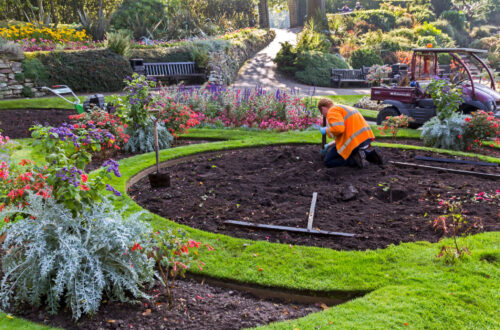
Why Early Soil Management Determines Final Harvest Results
The success or failure of a garden is often decided long before the first harvest. While many gardeners focus on watering schedules, fertilizers, or pest control later in the season, the truth is simpler and more fundamental: your final harvest is largely determined by how well you manage your soil early in the growing season.
Soil is more than just a place where plants stand. It is the environment where roots develop, nutrients are absorbed, and biological processes fuel plant growth. Early soil management shapes root strength, plant stability, nutrient availability, and long-term productivity. When soil conditions are optimized early, plants grow more efficiently, resist stress better, and produce higher-quality harvests.
This guide explains why early soil management is critical and how it directly influences your final harvest.
Soil Sets the Foundation for Root Development
Healthy roots are the foundation of every productive plant. Without strong root systems, plants cannot access water or nutrients efficiently.
Early soil management ensures:
- Loose, workable soil structure
- Adequate oxygen availability
- Proper moisture balance
- Easy root penetration
When soil is compacted or poorly prepared, roots remain shallow and restricted. This limits the plant’s ability to sustain growth during dry periods or environmental stress.
Strong roots established early allow plants to grow faster and remain stable throughout the season.
Early Nutrient Availability Drives Long-Term Growth
Plants require a steady supply of nutrients from the moment roots begin expanding. Early soil preparation helps ensure nutrients are present and accessible.
Key nutrients include:
- Nitrogen for leaf and stem development
- Phosphorus for root growth
- Potassium for plant strength and disease resistance
When nutrients are present early, plants establish quickly and develop strong structural systems. This early advantage allows plants to maintain steady growth without interruption.
Poor early nutrient availability often leads to slow growth, weaker plants, and reduced yields later.
Soil Structure Controls Water Availability
Water management begins with soil structure. Early soil preparation determines how well soil can hold and distribute water.
Well-prepared soil provides:
- Even moisture distribution
- Good drainage to prevent root damage
- Moisture retention during dry periods
If soil drains too quickly, plants may experience drought stress. If soil drains too slowly, roots may suffocate due to lack of oxygen.
Balanced soil moisture supports consistent plant development and maximizes productivity.
Early Soil Preparation Supports Soil Biology
Healthy soil contains beneficial organisms that play a vital role in plant health.
These organisms:
- Break down organic matter
- Release nutrients in usable forms
- Improve soil structure
- Support root health
Early soil preparation that includes organic matter such as compost encourages beneficial microbial activity.
Active soil biology improves nutrient efficiency and supports stronger plant growth.
Soil Temperature Influences Early Growth
Soil temperature directly affects root activity and nutrient absorption. Proper early soil management helps regulate temperature and creates conditions suitable for root development.
Soils rich in organic matter warm more evenly and maintain stable temperatures.
Stable soil temperatures allow plants to establish faster and grow more efficiently.
Plants established in stable soil conditions produce stronger harvests.
Early Soil Management Prevents Long-Term Problems
Many garden problems originate from poor soil conditions early in the season.
These problems include:
- Weak root systems
- Uneven growth
- Nutrient deficiencies
- Increased susceptibility to stress
Correcting soil issues later in the season is much more difficult.
Preventing problems early is far more effective than fixing them later.
Consistent Growth Leads to Higher Yields
Plants that grow steadily throughout the season produce more reliable harvests.
Early soil management promotes:
- Even growth rates
- Strong plant structure
- Improved nutrient uptake
- Greater resistance to environmental stress
Consistency in growth directly translates into better yields.
Plants that struggle early rarely fully recover.
Soil Aeration Improves Plant Performance
Roots require oxygen to function properly. Early soil preparation improves aeration by loosening compacted soil and increasing pore space.
Well-aerated soil allows roots to:
- Expand more easily
- Absorb nutrients efficiently
- Maintain healthy growth
Poor aeration limits plant performance and reduces productivity.
Proper aeration supports higher harvest potential.
Moisture Retention Supports Stability Throughout the Season
Soil that retains moisture effectively protects plants from sudden environmental changes.
Early soil preparation using organic matter improves moisture retention.
Stable moisture levels allow plants to grow without interruption.
Moisture stability improves plant health and final harvest quality.
Early Soil Preparation Improves Nutrient Efficiency
Nutrients are most effective when they are accessible to plant roots.
Well-prepared soil ensures nutrients remain available and are not lost through runoff or poor soil structure.
Efficient nutrient use supports stronger plant growth and better harvest results.
Early Root Establishment Determines Final Plant Strength
The early growth period determines how well plants perform later.
Plants with strong early root systems:
- Grow more consistently
- Resist stress more effectively
- Produce larger and healthier harvests
Weak early development limits long-term productivity.
Strong starts produce strong finishes.
Environmental Stress Has Less Impact on Well-Prepared Soil
Plants growing in properly prepared soil handle environmental stress more effectively.
This includes resistance to:
- Temperature fluctuations
- Dry periods
- Heavy rainfall
Stable soil conditions protect plants throughout the growing season.
Stress resistance improves overall harvest quality.
Harvest Size and Quality Depend on Early Soil Conditions
Harvest results reflect the quality of early soil management.
Well-prepared soil leads to:
- Larger yields
- Healthier plants
- Better-quality produce
- More consistent growth
Poor soil preparation leads to reduced productivity.
The harvest reflects the foundation established early.
Long-Term Soil Management Improves Future Harvests
Soil improves over time when managed properly.
Adding organic matter, improving structure, and supporting soil biology create lasting benefits.
Each season of good soil management strengthens future productivity.
Healthy soil produces better harvests year after year.
Final Thoughts: Early Soil Management Determines Final Success
The final harvest is not determined at the end of the season—it is determined at the beginning.
Early soil management creates the conditions necessary for strong roots, efficient nutrient use, stable moisture, and consistent growth. These factors directly influence plant strength, productivity, and harvest quality.
Gardeners who invest time in early soil preparation consistently achieve better results.
Strong soil creates strong plants. Strong plants create successful harvests.


You May Also Like
Just Tell Me Which Rain Boot to Buy: A Decision-Driven Guide to Trudave Rubber Boots

Why Your Pasture Looks Healthy but Livestock Weight Gain Is Slowing Down