When to Delay Turnout to Protect Emerging Forage
Early spring always brings pressure to make a move. Hay supplies are running thin, feed costs are adding up, and pastures are finally showing signs of green. It’s tempting to open the gate the moment grass begins to grow.
But turning cattle out too early can set your entire grazing season back. Protecting emerging forage during this critical window often determines whether your pastures thrive through summer — or struggle under reduced yield and increased weed pressure.
Here’s how to determine when to delay turnout, why it matters, and how to make the right call for long-term pasture productivity.
Why Early Turnout Can Be Costly
When cool-season grasses break dormancy, they rely heavily on stored root energy to push new leaf growth. During this early growth stage:
- Root systems are still rebuilding.
- Soil conditions are often soft and vulnerable.
- Plants have limited leaf surface for regrowth.
- Carbohydrate reserves are not fully replenished.
Grazing too soon forces plants to use energy reserves twice — once for initial growth and again for recovery. This weakens root mass, slows regrowth, and reduces total seasonal yield.
In short: what looks like “free forage” in early spring can actually cost you production later.
The Ideal Growth Stage for Turnout
Rather than relying on calendar dates, base turnout timing on plant development.
For most cool-season grasses common across U.S. ranches, wait until:
- Forage reaches at least 6–8 inches in height.
- Soil is firm enough to prevent hoof compaction.
- Root systems are anchored and resistant to pull.
- Pasture growth is visibly uniform, not patchy.
A simple test: grasp a small clump of grass and gently pull upward. If roots release easily, it’s too early.
Soil Conditions Matter Just as Much
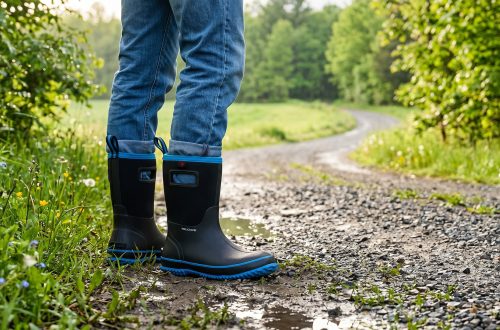
Spring mud season is more than inconvenient — it’s destructive.
Wet soils are highly susceptible to:
- Compaction
- Rutting
- Root shearing
- Reduced oxygen flow
Compacted soils limit root expansion and reduce water infiltration, affecting forage growth for the rest of the year.
If you see:
- Standing water
- Soft hoof depressions
- Surface smearing
- Deep tracks near gates or feeders
It’s wise to delay turnout until soils stabilize.
Signs You Should Delay Turnout
Consider holding cattle back if you observe:
- Grass height under 6 inches
- Uneven green-up across the field
- Thin residual cover from winter grazing
- Excessively wet soil conditions
- Weak root anchoring
- Heavy traffic areas still recovering
Delaying even one to two weeks can dramatically improve regrowth potential.
The Long-Term Benefits of Waiting
Ranchers who delay turnout strategically often see:
- Higher total forage yield
- Stronger root systems
- Reduced weed invasion
- Better drought resilience
- More consistent grazing rotation cycles
Allowing grass to fully establish early sets the tone for the entire growing season.
Economic Considerations
It’s easy to focus on short-term hay savings. However, premature turnout often leads to:
- Increased supplemental feeding later
- Reduced carrying capacity
- Mid-season pasture recovery costs
- Greater fertilizer or reseeding expenses
Delaying turnout may require short-term feed management adjustments, but it frequently pays off in improved pasture productivity.
Alternatives While You Wait
If pastures aren’t ready, consider:
- Feeding on designated sacrifice areas
- Rotating cattle through well-drained lots
- Utilizing stockpiled forage fields
- Adjusting rations temporarily
- Separating herd groups to reduce pressure
Designating a controlled impact zone protects the majority of your grazing acres.
Matching Turnout to Forage Type
Not all pastures respond the same.
Cool-season grasses (like fescue or orchardgrass) are especially vulnerable in early spring.
Warm-season pastures may green up later but require similar protection once growth begins.
Mixed stands should be evaluated carefully to ensure all species have adequate recovery time.
Using Rotational Grazing to Your Advantage
If you must begin grazing early, consider:
- Light stocking density
- Short grazing intervals
- Immediate rest periods
- Starting with the strongest fields
Rotational systems provide flexibility and reduce stress on emerging forage.
Avoid These Common Mistakes
- Turning out based solely on warm air temperatures
- Grazing shallow-rooted areas first
- Ignoring soil moisture conditions
- Allowing cattle unlimited access during early growth
- Failing to monitor regrowth after first grazing
Consistent observation is critical during early season transitions.
Balancing Herd Needs With Pasture Health
Spring calving season, rising nutritional demands, and limited hay supplies all create pressure to move cattle quickly. But pasture health and herd performance are interconnected.
Strong, well-established forage provides:
- Higher nutritional value
- More consistent intake
- Better weight gain
- Improved lactation support
Protecting emerging grass ultimately supports herd productivity.
A Practical Decision Framework
Before turnout, ask:
- Is forage at least 6–8 inches tall?
- Are soils firm and dry enough to avoid compaction?
- Is growth uniform across the pasture?
- Can roots resist light pulling?
- Do I have a backup feeding plan if regrowth slows?
If multiple answers raise concern, waiting is usually the better choice.
Final Thoughts
When to delay turnout to protect emerging forage isn’t about caution — it’s about strategy. Early spring growth is fragile but full of potential. Giving pastures a little extra time to establish pays dividends in yield, resilience, and long-term grazing success.
The green may look tempting, but patience in early spring is one of the most powerful tools a rancher has.
Protect the roots, protect the soil, and the grass will reward you all season long.


You May Also Like
Spring Green-Up Isn’t Here Yet: Managing Pastures in the In-Between
Pasture Rotation in Winter: Keeping Grass Alive for Spring Regrowth