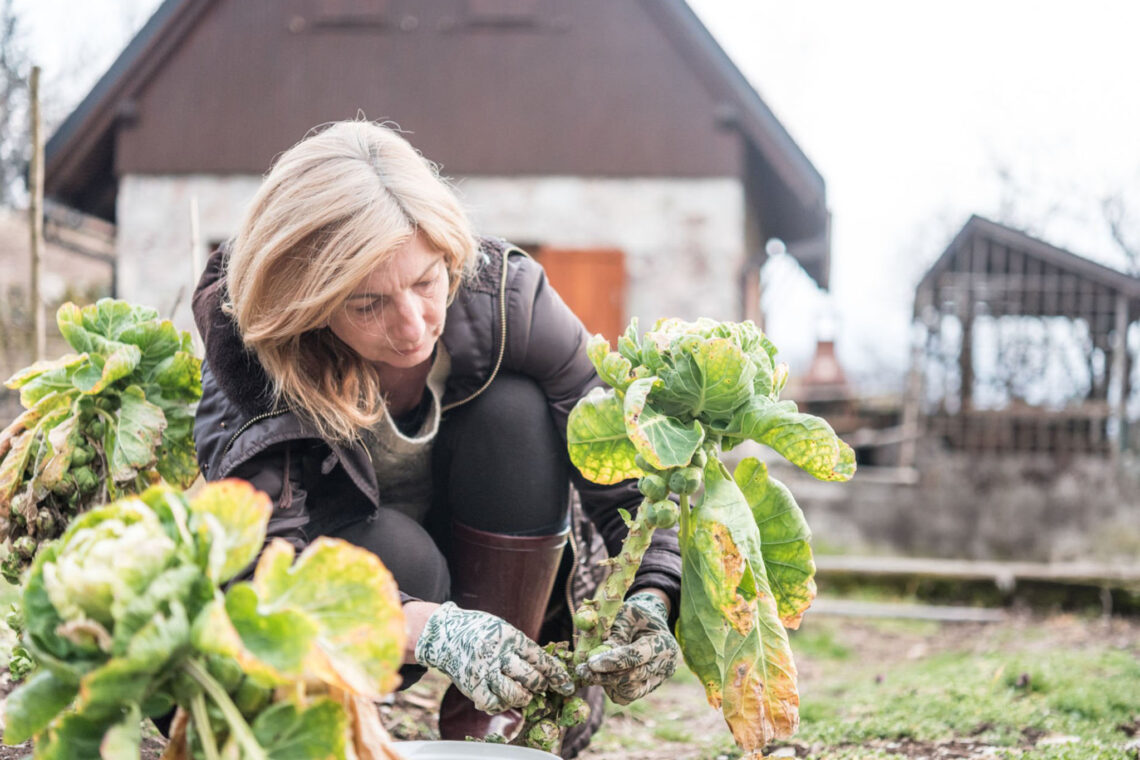
The Hidden Signs Your Garden Is Falling Behind Before Summer Hits
As spring transitions into early summer, many gardeners feel confident. Beds are full, plants are green, and growth seems steady. On the surface, everything looks like it’s heading toward a productive season.
But here’s the reality:
Some of the most damaging garden problems start quietly—weeks before summer heat makes them obvious.
By the time visible issues appear, plants are already stressed, yields are reduced, and recovery becomes much harder.
This guide will help you recognize the hidden early warning signs that your garden is falling behind—and how to correct them before summer conditions magnify the problem.
1. Fast Growth Without Strength
One of the most misleading signs of trouble is rapid but weak growth.
You may notice:
- Tall, thin stems
- Large leaves with little structure
- Plants that lean or collapse easily
This usually means:
- Too much nitrogen
- Not enough light exposure
- Weak root development
Growth speed doesn’t equal plant strength—and weak plants struggle under summer stress.
2. Midday Wilting That “Recovers” at Night
If your plants wilt during the hottest part of the day but look fine in the morning and evening, don’t ignore it.
This is an early warning sign of:
- Shallow root systems
- Inconsistent soil moisture
- Early heat stress
Even though plants recover overnight, repeated stress cycles:
- Reduce overall growth
- Limit flowering and fruiting
- Weaken long-term resilience
Temporary wilting is often the first signal of deeper issues.
3. Uneven Growth Across the Garden
Take a step back and look at your garden as a whole.
Do you see:
- Some plants thriving while others lag behind?
- Patchy growth in the same bed?
- Uneven color or leaf size?
This points to:
- Soil inconsistency
- Uneven watering
- Compaction or drainage issues
A productive garden should grow evenly—variation is a sign something isn’t balanced.
4. Leaves That Look Healthy—but Feel Thin
Leaves might appear green and vibrant, but texture matters.
Check for:
- Thin or soft leaves
- Lack of firmness
- Slight curling or weakness
This can indicate:
- Nutrient imbalance
- Rapid growth without structural support
- Early dehydration at the cellular level
Healthy leaves should feel strong, not fragile.
5. Slower-Than-Expected Flowering or Fruit Set
If your plants are growing but not producing, something is off.
Common signs:
- Delayed flowering
- Flowers dropping early
- Low fruit development
Possible causes:
- Excess nitrogen
- Heat stress beginning to affect reproduction
- Inconsistent watering
Plants under stress often prioritize survival over reproduction.
6. Soil That Looks Moist but Dries Quickly Below
Surface moisture can be deceptive.
Even if the topsoil looks fine:
- The root zone may be dry
- Water may not be penetrating deeply
- Roots may not be developing properly
Test by:
- Digging 2–4 inches down
- Checking for moisture consistency
Strong plants depend on deep moisture—not just a wet surface.
7. Increased Pest Activity Earlier Than Expected
Early pest presence is often a signal—not just a problem.
You may notice:
- Aphids, mites, or beetles appearing sooner
- Increased insect activity on certain plants
- Damage that seems minor but widespread
This usually means:
- Plants are already under stress
- Natural defenses are weakened
- Conditions favor pest reproduction
Healthy plants resist pests better—early infestations are a warning sign.
8. Soil Crusting or Hardening
After watering or light rain, check your soil surface.
If you see:
- A hard crust forming
- Water pooling instead of soaking in
- Difficulty pushing your finger into the soil
This indicates:
- Poor soil structure
- Compaction
- Reduced water infiltration
Compacted soil limits root growth and accelerates summer stress.
9. Roots Staying Too Close to the Surface
If you gently check near plant bases and find roots close to the top:
- Watering may be too frequent and shallow
- Soil conditions may discourage deep growth
- Plants are becoming dependent on surface moisture
This creates a major risk:
When summer heat hits, shallow-rooted plants fail fast.
10. What to Do Before Summer Makes It Worse
Recognizing these signs early gives you a major advantage.
1. Water Deeply and Less Frequently
- Encourage deeper root growth
- Improve drought resistance
2. Add Organic Matter
- Improve soil structure
- Increase water retention
- Support microbial health
3. Adjust Fertilization
- Reduce excess nitrogen
- Add balanced nutrients for strength and production
4. Mulch Your Beds
- Retain moisture
- Regulate soil temperature
- Reduce evaporation
5. Thin and Space Plants Properly
- Improve airflow
- Reduce competition
- Prevent disease spread
11. The Real Insight: Problems Start Before They’re Visible
Most gardeners react to problems once they’re obvious:
- Yellowing leaves
- Stunted growth
- Poor yields
But by then:
The damage has already been done.
The best gardeners succeed because they:
- Notice subtle changes early
- Act before stress compounds
- Build resilience before extreme conditions arrive
Conclusion
A garden doesn’t suddenly fall behind when summer hits—it starts weeks earlier, in ways that are easy to overlook.
By paying attention to:
- Growth quality
- Soil condition
- Water depth
- Plant behavior
You can catch problems early and keep your garden on track for a strong, productive season.
Because in gardening, just like in nature:
The biggest problems rarely start loud—
They start quietly, long before anyone notices. 🌱🔥


You May Also Like
When the Storm Hits: Why Trudave Rain Boots Are the Ultimate Emergency Preparedness Footwear
Cover Crops That Work: Building Healthier Soil Through the Off-Season