How to Protect Early Plants from Unexpected Spring Frost
Spring brings longer days, warming soil, and the excitement of new plant growth. But it also brings one of the biggest risks to early gardens: unexpected frost. Even after weeks of warm weather, a single overnight temperature drop below freezing can damage or kill young plants.
Understanding how frost works—and how to protect against it—can make the difference between a thriving garden and losing weeks of progress overnight. Smart gardeners don’t just plant early—they prepare for frost protection before it happens.
Why Spring Frost Is So Dangerous to Young Plants
Young plants are especially vulnerable because their tissues are soft, water-rich, and actively growing. When temperatures drop below 32°F (0°C), water inside plant cells begins to freeze.
This causes several types of damage:
- Ice crystals rupture cell walls
- Plant tissues collapse and turn black or brown
- Leaves wilt and die
- New growth is permanently damaged
Unlike mature plants, seedlings and early transplants often lack the energy reserves to recover from frost injury.
Even a brief frost lasting only a few hours can cause severe damage.
Frost Can Occur Even When Forecasts Seem Safe
Air temperature forecasts are usually measured 5 feet above the ground. However, temperatures at ground level—where plants live—can be several degrees colder.
Cold air sinks and settles near the soil surface, especially in low areas. This means frost can occur even when the official forecast says temperatures will remain above freezing.
Clear skies, calm winds, and dry air create the highest frost risk.
The Most Vulnerable Plants in Early Spring
Not all plants respond the same way to frost.
Highly Frost-Sensitive Plants
These plants can be killed even by light frost:
- Tomatoes
- Peppers
- Beans
- Squash
- Cucumbers
- Corn
These warm-season crops should always be protected.
Moderately Frost-Sensitive Plants
These may survive light frost but can still suffer damage:
- Potatoes
- Strawberries
- Young herbs
Protection improves survival and growth.
Cold-Tolerant Plants
These plants tolerate frost better:
- Spinach
- Kale
- Lettuce
- Peas
However, even these plants can suffer damage during hard frost.
Understanding Different Types of Frost
Not all frost events are equally dangerous.
Light Frost (32°F to 29°F)
May damage sensitive plants but usually does not kill cold-hardy crops.
Moderate Frost (28°F to 25°F)
Can damage most exposed plants and kill sensitive crops.
Hard Freeze (Below 25°F)
Severe damage to most plants, including many cold-tolerant species.
Knowing the severity helps determine the level of protection needed.
Covering Plants Is One of the Most Effective Protection Methods
Covering plants traps heat from the soil and prevents frost from forming on plant surfaces.
Effective cover materials include:
- Frost cloth
- Garden fabric
- Old sheets
- Blankets
- Lightweight tarps
These coverings create a protective barrier that can raise temperatures underneath by several degrees.
Proper Covering Technique Is Critical
Simply placing a cover over plants is not enough.
For best protection:
- Cover plants before sunset
- Allow covers to reach the ground
- Seal edges to trap heat
- Avoid letting covers press directly on leaves if possible
Removing covers in the morning prevents overheating.
Timing and proper placement make a significant difference.
Soil Moisture Helps Protect Against Frost
Moist soil holds heat better than dry soil.
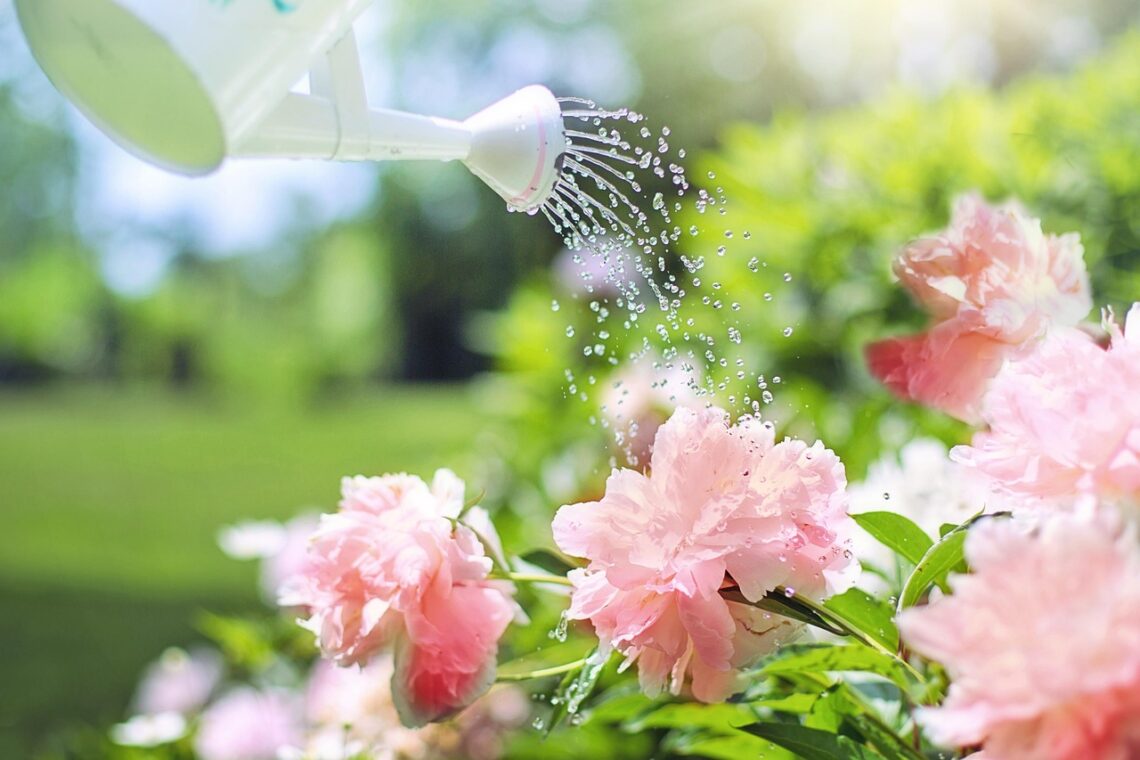
Watering plants during the day before frost can help soil absorb and store heat.
This stored heat is released overnight, helping protect plants.
However, avoid watering late in the evening, which can increase frost formation on leaves.
Mulch Provides Additional Insulation
Mulch helps stabilize soil temperature and protect roots.
Good mulch options include:
- Straw
- Leaves
- Grass clippings
Mulch reduces temperature swings and improves plant survival.
Wind Protection Reduces Frost Risk
Wind removes heat from plant surfaces.
Windbreaks help protect plants by reducing heat loss.
Examples include:
- Garden fences
- Raised bed walls
- Temporary barriers
Reducing wind exposure improves frost resistance.
Cold Air Settles in Low Areas
Garden location affects frost risk significantly.
Low areas collect cold air, increasing frost danger.
Higher areas experience less frost risk.
Avoid planting sensitive crops in low spots early in the season.
Understanding terrain improves plant protection.
Containers Are Easier to Protect
Plants in containers can be moved indoors or into protected areas.
Garages, sheds, and covered porches offer protection.
This flexibility reduces frost risk.
Container plants should always be moved if frost is expected.
Larger Plants Handle Frost Better Than Small Seedlings
Larger plants have stronger root systems and more stored energy.
They recover more easily from frost damage.
Small seedlings are much more vulnerable.
Allowing plants to mature before exposure improves survival.
Removing Frost Covers at the Right Time Is Important
Covers should remain in place overnight and be removed after temperatures rise above freezing.
Leaving covers on too long during warm daylight can overheat plants.
Monitoring weather conditions helps prevent both frost and overheating damage.
Microclimates Offer Natural Protection
Some garden areas are naturally warmer.
These include:
- South-facing walls
- Areas near buildings
- Raised beds
- Areas with full sun exposure
These areas warm faster and lose heat slower.
Using microclimates improves early planting success.
Watch Weather Patterns, Not Just Forecasts
Certain conditions increase frost risk:
- Clear skies
- Calm winds
- Dry air
- Rapid temperature drops
Monitoring these patterns allows early preparation.
Being proactive is the key to preventing frost damage.
Plants Harden Off and Become More Frost Resistant Over Time
Plants gradually adapt to outdoor conditions.
This process, called hardening off, improves cold tolerance.
Sudden exposure to cold without adaptation increases damage risk.
Gradual exposure strengthens plants.
Early Protection Leads to Stronger Plants All Season
Protecting plants during early growth allows:
- Faster development
- Stronger root systems
- Earlier harvests
- Higher productivity
Plants that avoid early stress perform better long term.
Final Thoughts: Preparation Is the Best Defense Against Spring Frost
Unexpected frost is a normal part of spring, but it doesn’t have to destroy your garden.
Understanding frost behavior and using simple protection methods allows plants to survive and thrive.
Successful gardeners expect frost—and prepare for it.
Protecting early plants ensures stronger growth, healthier crops, and a more productive growing season.


You May Also Like

Best Boots for Vegetable Farm Work: Waterproof Footwear for Muddy Rows, Irrigation, Harvest, and Wash-Pack Areas

Stockpiling Forage: How to Keep Cattle Fed Through Cold Snaps