Hay and Harvest: Maximizing Feed Before the Deep Freeze
As late fall settles in and the first signs of winter creep across the pasture, ranchers face a critical challenge: ensuring livestock have enough feed to stay healthy and productive through the deep freeze. The period between harvest completion and the first major frost is a golden opportunity to maximize feed efficiency, maintain animal health, and prepare pastures for winter.
This article provides a comprehensive guide on strategies for feed management, storage, and livestock nutrition during the critical pre-winter window.
1. Understanding Late-Fall Feed Challenges
During late fall, several factors affect livestock nutrition:
- Decreasing Pasture Quality: Grass and forage lose nutrients as temperatures drop and growth slows.
- Higher Energy Demands: Animals burn more calories to maintain body heat as temperatures fall.
- Weather Unpredictability: Early snow, frost, or ice can limit access to pasture, making stored feed essential.
Recognizing these factors early allows ranchers to plan feed distribution efficiently and avoid shortages when the deep freeze hits.
2. Harvest Timing and Quality Matters
Maximizing feed starts before storage. The timing and method of harvesting hay can significantly impact nutritional value:
- Cutting at Optimal Maturity: Harvesting grass or legumes at the right stage ensures maximum protein and digestibility. For example, alfalfa should be cut during early bloom for peak nutrition.
- Proper Drying: Moisture content should be carefully monitored. Hay that’s too wet can mold, while overly dry hay can lose leaves and nutrients.
- Baling Techniques: Dense bales retain nutrients longer and are easier to store, while round bales should be protected from moisture and stored off the ground.
Investing effort during harvest reduces losses and ensures animals receive nutrient-rich feed during cold months.
3. Efficient Storage Strategies
Proper storage is crucial to prevent spoilage and waste:
- Indoor Storage: Barns or sheds provide the best protection against moisture, snow, and pests.
- Covered Outdoor Storage: If indoor space is limited, tightly wrapped bales with tarps and elevated pallets can reduce spoilage.
- Rotation System: Use older bales first to prevent loss, and separate hay by type or nutritional content for strategic feeding.
A small investment in storage preparation can save significant feed loss and expense over the winter.
4. Feed Management Techniques
Optimizing feed goes beyond storage—how and when you feed livestock matters:
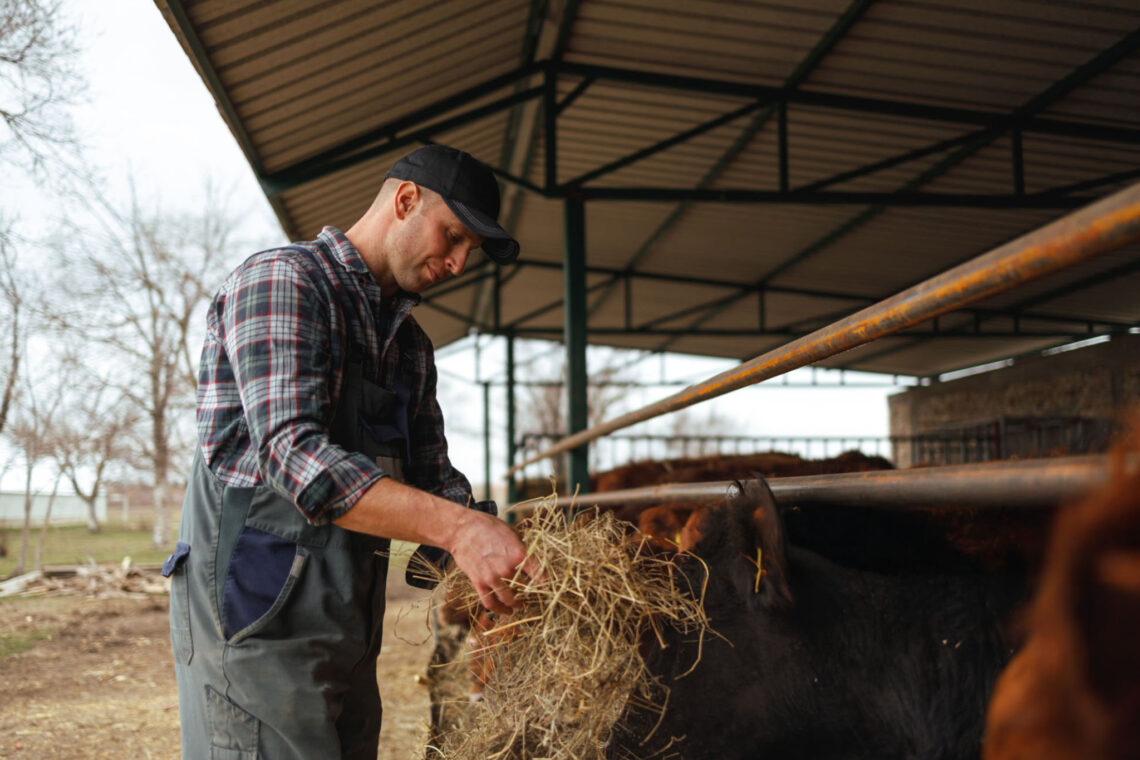
- Daily Rations: Calculate energy requirements based on livestock type, weight, and weather. Cold days increase caloric needs.
- Supplemental Feeding: Consider adding grains or mineral supplements to ensure adequate nutrition when pasture is sparse.
- Monitor Intake: Observe animal behavior to ensure they are consuming enough. Hungry or underfed animals can lose condition quickly in cold weather.
- Water Access: Cold weather can freeze water sources. Heated tanks or frequent checks ensure animals stay hydrated and can digest feed efficiently.
Strategic feeding maintains body condition and prevents costly health issues during the winter.
5. Pasture Prep Before the Freeze
Even as the harvest ends, managing pastures benefits long-term productivity:
- Remove Dead Debris: Clear fallen leaves or old plant matter to prevent mold growth under snow.
- Apply Late-Fall Fertilizer: Boost soil nutrients to support spring growth, especially on heavily grazed pastures.
- Evaluate Stocking Rates: Rotate animals to prevent overgrazing and preserve winter forage.
Healthy, well-managed pastures reduce feed costs and improve herd condition next season.
6. Winter Survival Considerations
Maximizing feed is also about planning for extreme cold events:
- Stock Extra Feed: Unexpected storms can block access to pasture; having a reserve prevents emergencies.
- Shelter Access: Provide windbreaks or barns to reduce heat loss and lower energy needs.
- Body Condition Monitoring: Animals in good condition heading into winter are more resilient against cold stress.
Proper preparation minimizes losses and ensures livestock remain productive and healthy.
7. Benefits of Pre-Winter Feed Management
- Cost Efficiency: Reduces feed waste and the need for emergency purchases.
- Animal Health: Supports immune function and prevents weight loss during cold snaps.
- Pasture Longevity: Preserves soil and forage, ensuring sustainability for the next season.
- Operational Efficiency: Allows ranchers to focus on essential winter chores instead of emergency feed runs.
Final Thoughts
“Hay and Harvest” isn’t just about getting feed in the barn—it’s about strategic timing, quality management, and proactive planning. By harvesting at peak nutrient levels, storing wisely, feeding efficiently, and preparing pastures, ranchers can safeguard their herds against the deep freeze.
The late-fall window is short but critical. Those who maximize feed and optimize livestock care during this period enter winter with confidence, ensuring healthy, productive animals and a more manageable season ahead.


You May Also Like

Best Boots for Calving Season: Waterproof Footwear for Mud, Cold Rain, and Long Nights
Trudave vs. The Big Names: Why the “Budget” Boot is the Smartest Buy in 2026