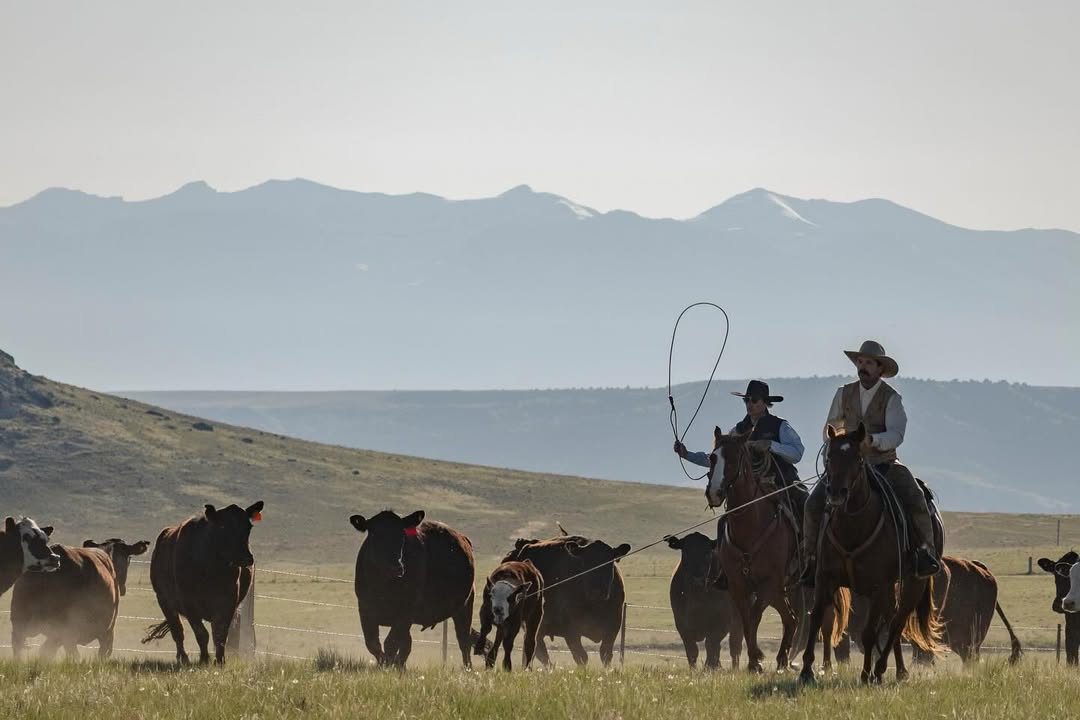
Micro-Forage Management: Maximizing Small Patches of High-Quality Grass
In modern ranching across the United States, one of the most overlooked productivity strategies is not about managing large pastures—it’s about managing small patches of high-quality forage. This approach, often referred to as micro-forage management, focuses on identifying, protecting, and efficiently utilizing the most nutrient-dense sections of pasture rather than treating all grazing land equally.
During early summer, when heat stress, uneven growth, and forage maturity begin to diverge across a ranch, this strategy becomes especially powerful.
What Is Micro-Forage Management?
Micro-forage management is the practice of:
- Identifying small zones of highly nutritious grass
- Protecting those zones until optimal grazing time
- Strategically grazing them for maximum livestock benefit
- Allowing rapid recovery cycles based on plant regrowth stage
Instead of viewing a pasture as one uniform resource, you break it into micro-production zones.
Key Insight: Not all grass in a pasture contributes equally to livestock performance.
Why Micro-Forage Becomes Critical in Early Summer
Early summer conditions create uneven forage development:
- Some areas grow rapidly due to moisture retention
- Others dry out and slow down
- Shade pockets maintain higher nutritional quality
- Sun-exposed zones mature too quickly and lose digestibility
This creates a patchwork of forage quality across even small paddocks.
Without targeted management, livestock naturally overgraze the best areas and underutilize lower-quality zones.
Characteristics of High-Quality Micro-Forage Patches
Identifying premium grazing zones is the foundation of this system. Look for:
1. Young Regrowth Zones
- Recently grazed or clipped areas
- High leaf-to-stem ratio
- Rich in protein and digestible energy
2. Moisture-Retaining Pockets
- Low-lying areas with better soil moisture
- Near water sources or shaded drainage lines
- Maintain green growth longer during heat
3. Partially Shaded Grass Zones
- Areas under scattered trees or fence lines
- Reduced heat stress on plants
- Slower maturation = higher nutritional quality
4. Lightly Disturbed Soil Areas
- Recently rested rotational paddocks
- Reduced compaction
- Strong regrowth response
Why Livestock Prefer Micro-Forage Zones
Animals instinctively select forage based on:
- Tenderness
- Moisture content
- Nutritional density
- Ease of grazing
They will naturally concentrate on micro-forage patches, often ignoring surrounding lower-quality areas.
Result: Uneven grazing pressure unless actively managed.
The Hidden Problem: Overgrazing the Best Patches
Without micro-management:
- Livestock repeatedly target the same high-quality spots
- These areas become stressed and slow to recover
- Surrounding forage is left underutilized and matures too quickly
This creates a cycle of:
- Overuse of premium forage
- Underuse of marginal forage
- Declining overall pasture efficiency
How to Implement Micro-Forage Management
1. Map Your Pasture in Detail
Start by dividing grazing land into functional zones:
- Moisture zones
- Shade zones
- Regrowth zones
- High-traffic vs low-traffic areas
You don’t need technology—simple observation works.
2. Rotate Livestock More Precisely
Instead of broad rotational grazing:
- Move animals based on forage condition, not just time
- Prioritize recovery of high-quality zones
- Avoid repeated pressure on the same micro-patches
3. Protect High-Value Patches Early
When you identify a strong regrowth area:
- Delay grazing until optimal maturity
- Prevent premature grazing damage
- Allow full leaf development before use
4. Encourage Even Utilization
To prevent selective grazing:
- Adjust water access points
- Rotate mineral feeders
- Break larger paddocks into smaller grazing cells if needed
5. Balance Grazing Pressure
Use livestock density strategically:
- Higher density for short periods to prevent selectivity
- Short grazing windows to protect regrowth integrity
Benefits of Micro-Forage Management
1. Improved Livestock Weight Gain
Higher nutrient intake from targeted grazing zones improves feed efficiency.
2. Better Forage Recovery
Less damage to key regrowth areas allows faster regeneration.
3. More Consistent Pasture Productivity
Instead of boom-and-bust cycles, forage growth becomes more stable.
4. Reduced Feed Waste
Animals consume higher percentages of available nutrition per acre.
5. Increased Carrying Efficiency
Small productive areas contribute disproportionately to overall ranch output.
Common Mistakes in Micro-Forage Systems
1. Treating all pasture as equal
Leads to missed high-value zones.
2. Overgrazing premium patches too early
Reduces long-term productivity.
3. Ignoring soil moisture differences
Forage quality is tightly linked to water availability.
4. Moving livestock on fixed schedules only
Forage condition should drive movement, not calendar dates.
How Micro-Forage Fits Into Modern Ranching
As climate variability increases:
- Growth patterns become less predictable
- Heat stress intensifies forage imbalance
- Water distribution affects pasture quality more dramatically
Micro-forage management allows ranchers to adapt in real time rather than relying on uniform grazing systems.
Final Thoughts
Micro-forage management shifts ranching strategy from large-scale uniform grazing to precision-based pasture utilization. Instead of treating every acre the same, you focus on extracting maximum value from the most productive sections of your land.
In early summer especially, when forage growth becomes uneven and livestock selectivity increases, this approach can significantly improve both pasture health and animal performance.
Because in modern grazing systems, productivity doesn’t come from using more land—
it comes from using the right small areas at the right time.


You May Also Like

Gardener’s Patience: Why Waiting for Warm Soil Pays Off

Optimizing Sunlight for Early Spring Flowering Plants