Why Livestock Gain Slows Down Even When Pasture Looks Healthy in Summer
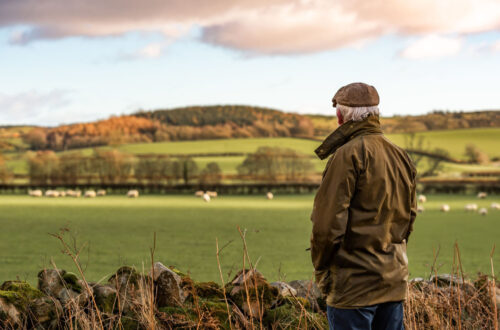
During early to mid-summer, many ranchers across the United States notice something confusing: pastures still look green, dense, and healthy, yet livestock weight gain starts to slow down. On the surface, everything appears normal. But under the surface—both in the grass and in animal physiology—important changes are happening.
The issue is rarely obvious. It’s not just about how the pasture looks, but about forage quality, heat stress, grazing behavior, and nutrient efficiency all shifting at the same time.
Understanding these hidden factors is key to maintaining consistent livestock performance through the summer months.
The Illusion of a “Healthy-Looking” Pasture
One of the biggest misconceptions in ranch management is assuming that green equals productive.
In early summer:
- Grass may still be visually lush
- Growth appears abundant after spring rains
- Coverage looks uniform across fields
But visual appearance doesn’t tell the full story.
What’s actually happening:
- Fiber content in grass is increasing
- Protein levels are slowly declining
- Digestibility is starting to drop
Key Insight: A green pasture can still be nutritionally declining.
1. Forage Quality Drops Faster Than Visual Growth
As temperatures rise, plant physiology changes.
Grass shifts toward:
- More structural fiber (cellulose and lignin)
- Less digestible nutrients
- Lower protein concentration
This means livestock must:
- Eat more to get the same nutrition
- Spend more time grazing
- Burn more energy digesting lower-quality forage
2. Heat Stress Reduces Feeding Efficiency
Summer heat has a direct impact on livestock behavior.
When temperatures rise:
- Animals reduce grazing time during the day
- They prioritize shade and water over feeding
- Appetite decreases during peak heat hours
Result:
Even if forage is abundant, intake drops.
3. Grazing Behavior Becomes Less Efficient
In cooler months, livestock:
- Graze consistently throughout the day
- Move across pasture evenly
- Utilize available forage efficiently
In summer heat:
- Grazing becomes fragmented
- Animals cluster near shade or water
- Certain pasture areas are underutilized while others are overgrazed
Key Insight: Distribution inefficiency leads to reduced overall intake.
4. Water Intake Increases, But Nutrition Doesn’t
Hot weather increases:
- Water consumption
- Time spent near water sources
But this creates a trade-off:
- More energy is spent regulating body temperature
- Less energy is available for weight gain
- Feeding cycles become less efficient
5. Microclimate Differences Inside Pastures Matter More
Not all parts of a pasture behave the same in summer.
Variations include:
- South-facing slopes drying faster
- Low areas retaining moisture but growing coarser forage
- Shaded zones producing more palatable grass
Livestock naturally gravitate toward comfort zones, not optimal nutrition zones.
6. Nutrient Dilution in Fast-Growing Grass
After spring growth peaks:
- Grass continues to grow but at lower nutrient density
- Rapid growth dilutes protein and mineral concentration
- Structural growth outpaces nutritional value
Even though biomass increases:
👉 Nutritional return per bite decreases
7. Increased Energy Demand for Thermoregulation
Livestock in summer must spend more energy on:
- Cooling the body (panting, sweating, seeking shade)
- Maintaining hydration balance
- Reducing internal heat load
This extra energy demand directly reduces weight gain efficiency.
8. Overgrazing in Key Areas Creates Hidden Deficits
Even if the pasture looks full:
- Livestock often overgraze preferred zones
- Less desirable areas are ignored
- Regrowth becomes uneven
This leads to:
- Patchy forage quality
- Reduced overall intake efficiency
- Long-term pasture imbalance
How to Fix Summer Weight Gain Slowdowns
1. Adjust Grazing Timing
- Increase grazing in early morning and late evening
- Reduce midday grazing pressure
- Align feeding with cooler temperatures
2. Improve Forage Diversity
- Mix warm-season and cool-season grasses
- Introduce legumes to improve protein availability
- Avoid monoculture dependence
3. Rotate Pastures More Strategically
- Shorten grazing periods per paddock
- Increase recovery time for regrowth
- Prevent selective overgrazing
4. Manage Shade and Comfort Zones
- Provide distributed shade sources
- Avoid concentrating livestock in one area
- Encourage even pasture utilization
5. Supplement When Necessary
When forage quality drops:
- Provide protein supplements
- Balance mineral intake
- Support digestive efficiency
Common Mistakes Ranchers Make in Summer
1. Relying on visual pasture quality
Green does not equal nutritious.
2. Ignoring heat stress effects on feeding behavior
Reduced intake is often the real issue.
3. Overgrazing productive zones
Leads to long-term pasture imbalance.
4. Delaying supplementation too long
Nutritional gaps widen quickly in heat.
Real-World Scenario
A ranch maintains lush, green pasture in June. Livestock appear to have plenty of forage, yet weight gain slows noticeably.
After evaluation:
- Forage protein levels have dropped
- Grazing is concentrated near shaded areas
- Heat stress reduces feeding duration
By adjusting rotation schedules and adding supplemental protein, weight gain stabilizes within weeks.
Why it worked: The issue wasn’t forage quantity—it was forage efficiency and animal behavior under heat stress.
Final Thoughts
Summer weight gain slowdowns are rarely caused by a lack of grass. Instead, they result from a combination of declining forage quality, heat-driven behavior changes, and uneven pasture utilization.
Ranchers who understand these hidden dynamics can adjust management strategies early and maintain consistent performance throughout the hottest months.
Because in summer ranching, success isn’t about how green the pasture looks—
it’s about how efficiently that pasture converts into nutrition.


You May Also Like
Why Feed Timing Matters More Than Quantity During Deep Cold
Why Your Forage Quality Drops Faster Than Your Cattle Can Adapt