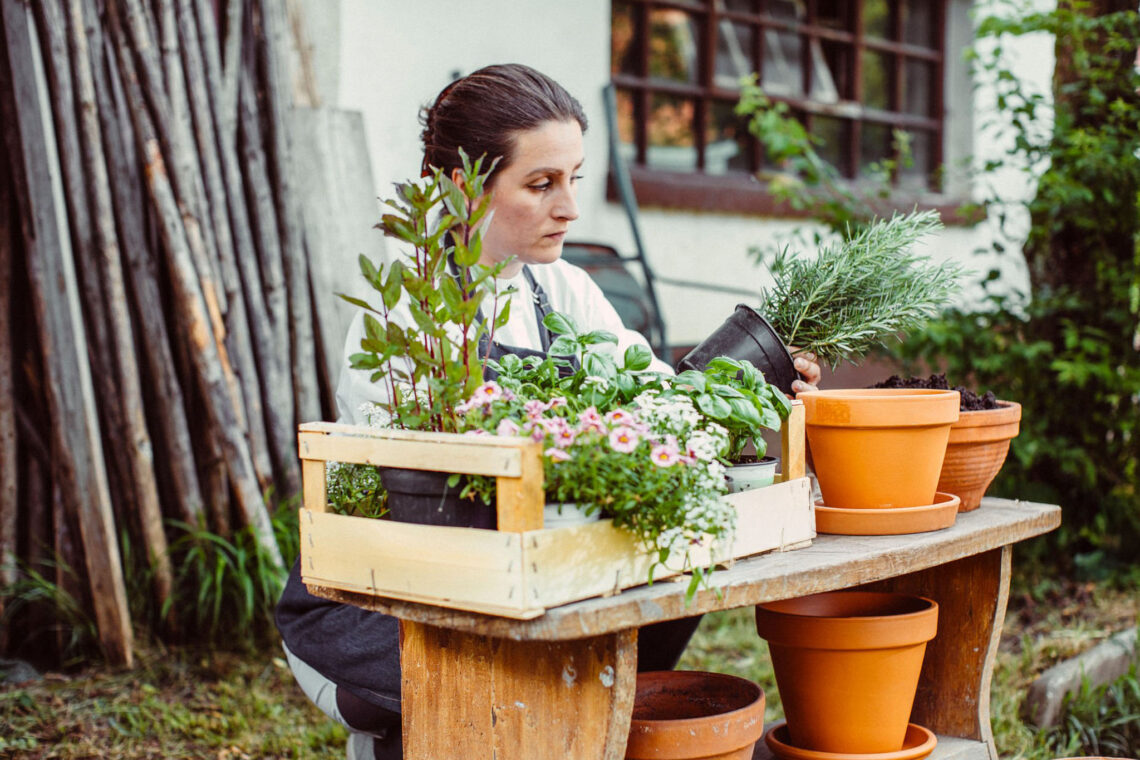
Garden Beds That Breathe: Prepping Soil for a Strong Spring Start
When the last of the autumn leaves settle and winter’s chill creeps in, most gardeners take a well-deserved break. But beneath the frost and dormant roots, the soil still breathes—and how you treat it during the off-season determines the success of your next growing year. Healthy soil isn’t just dirt; it’s a living ecosystem. If you want lush blooms, hearty vegetables, and thriving roots come spring, now’s the time to give your garden beds the attention they deserve.
Here’s how to prep your soil so it’s alive, aerated, and ready to burst into action when the first warm days arrive.
1. Start with a Clean Slate
Before any soil work begins, clear your garden beds of spent plants, old mulch, and leftover weeds. Dead plant material can harbor diseases or overwintering pests like aphids, cutworms, and fungal spores. Compost healthy debris, but discard anything that shows signs of rot, mildew, or insect damage.
Once cleared, lightly rake the surface to loosen compacted areas and expose the top layer to oxygen and sunlight—two key factors in keeping soil microorganisms active through winter.
Pro Tip: If you have raised beds, remove any large roots or leftover stems from last season’s crops. They can slow down decomposition and interfere with spring planting.
2. Test and Balance Your Soil
Winter is the ideal time to test your soil’s pH and nutrient balance. Many county extensions and garden centers offer soil testing kits that reveal levels of nitrogen (N), phosphorus (P), potassium (K), and trace minerals.
For most vegetables and flowers, a slightly acidic to neutral pH (6.0–7.0) is optimal. If your soil is too acidic, add agricultural lime; if it’s too alkaline, incorporate elemental sulfur or composted organic matter to bring balance.
Why It Matters: Proper pH and nutrient balance ensure your plants can absorb what they need when growth begins. Ignoring soil chemistry can lead to weak roots, stunted plants, and poor yields—even if you water and fertilize regularly.
3. Feed the Soil, Not Just the Plants
Healthy soil is built on organic matter. Adding compost, aged manure, or leaf mold during winter gives microorganisms time to break down nutrients before spring planting.
Spread a 2–3 inch layer of organic matter over your beds and lightly turn it into the top few inches of soil. Avoid deep tilling—it can disturb beneficial microbes and fungal networks that improve soil health.
If you prefer a no-dig approach, simply layer compost on top (“sheet mulching”). Worms and frost cycles will naturally work it into the ground.
Great Additions for Winter Soil Building:
- Composted kitchen scraps – nutrient-dense, great for soil microbes.
- Aged manure – adds nitrogen and organic carbon for long-term fertility.
- Leaf mold – improves soil texture and water retention.
- Biochar – enhances microbial life and reduces nutrient leaching.
4. Let It Breathe: Aerate and Loosen Compacted Soil
Over time, rain, foot traffic, and gravity compress soil, making it harder for roots to penetrate and air to circulate. Loosening compacted beds now ensures your garden “breathes” properly by spring.
Use a broadfork, garden fork, or aeration tool to gently lift and loosen the soil without turning it over completely. This preserves natural soil structure while improving drainage and oxygen flow.
If you’re working with heavy clay soil, mix in coarse sand, perlite, or compost to improve texture and prevent soggy conditions during early spring rains.
5. Cover and Protect with Mulch or Cover Crops
Bare soil is vulnerable—rain, snow, and wind can erode nutrients and destroy structure. Protect your investment with mulch or a living cover crop.
Mulch Options:
- Straw or hay – insulates and prevents erosion.
- Shredded leaves – break down slowly and feed the soil.
- Wood chips or bark – ideal for perennial or ornamental beds.
Cover Crops (a.k.a. Green Manure):
Planting cold-hardy cover crops such as winter rye, crimson clover, or hairy vetch helps prevent nutrient leaching while adding organic matter. When spring arrives, simply cut them down and till or layer them into the soil for an instant nutrient boost.
Pro Tip: Avoid planting cover crops too late in the season—sow them before the ground freezes to ensure proper germination.
6. Manage Moisture Wisely
Winter moisture is both a blessing and a risk. Too much can suffocate roots and beneficial organisms, while too little can leave soil lifeless and dry.
To find balance:
- Make sure garden beds drain well—raised beds and sloped surfaces help.
- Use mulch to regulate moisture and prevent runoff.
- Avoid walking on wet soil, which leads to compaction and poor aeration.
In regions with dry winters, a light watering every few weeks can keep microbial activity alive—especially if you’ve recently added compost or manure.
7. Plan for Early Spring Amendments
When the ground begins to thaw, you’ll have a narrow window before planting begins. That’s when you can apply finishing touches:
- Add bone meal or rock phosphate for root development.
- Work in worm castings for instant nutrient availability.
- Spread fine compost as a top dressing before seeding or transplanting.
By prepping early, you’ll avoid the rush of spring chores and give your garden a head start—literally from the ground up.
8. Build Soil Life Through the Off-Season
Soil health depends on microbial diversity. Encouraging life during winter ensures your beds are biologically active when the growing season returns.
- Avoid chemical fertilizers—they can disrupt microbial populations.
- Keep soil covered and slightly moist to support earthworms and fungi.
- Add organic teas (like compost tea or worm-casting tea) if temperatures permit, to introduce beneficial microbes.
9. Don’t Forget the Borders and Paths
Healthy garden soil isn’t just what’s under your plants—paths and borders matter, too. Compact pathways should be mulched or lined with gravel to prevent runoff and maintain bed integrity. Edging beds with boards, stones, or logs also keeps soil from washing away and gives your garden a polished look.
10. Trust the Process
Building soil that breathes takes patience. Every bit of compost, every worm tunnel, every freeze-thaw cycle works quietly in your favor. By treating your soil as a living system—not just a medium for plants—you’re setting the stage for vibrant, resilient growth come spring.
So while the garden sleeps, you don’t have to. The best gardeners know that soil preparation is the foundation of every thriving harvest—and winter is the perfect time to start.
Conclusion
Prepping your soil in winter isn’t extra work—it’s smart timing. A few well-placed efforts now—cleaning, aerating, feeding, and protecting—will ensure your garden beds are loose, nutrient-rich, and teeming with life once planting season arrives.
By creating “garden beds that breathe,” you’re giving your plants the oxygen, structure, and nourishment they need to thrive from day one.


You May Also Like

Spring Calving Problems Most New Ranchers Don’t Expect

The 5-Year Rain Boot: How to Make Your Trudave Gear Outlast the Competition