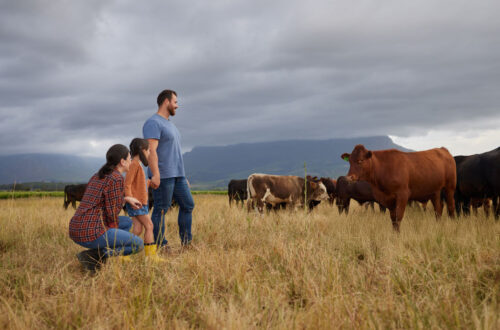
Sustainable Winter Prep: Keeping Both Stock and Soil Thriving
As the days grow shorter and the nights colder, farmers and homesteaders across America turn their attention to one crucial goal — ensuring both livestock and soil make it through the winter strong and ready for spring. Sustainable winter preparation isn’t just about surviving the season; it’s about building a thriving, regenerative system that benefits your animals, your land, and your long-term productivity.
Here’s how to balance sustainability, efficiency, and care for both stock and soil during the cold months.
1. Start with a Smart Feeding and Grazing Strategy
Winter feeding can easily become one of the most resource-intensive aspects of livestock care. Instead of relying solely on imported feed, consider rotational grazing and stockpiling forage before the frost sets in.
By letting pastures rest through late summer and early fall, you allow grasses to regrow and mature, providing a natural reserve for winter grazing. This not only reduces feed costs but also minimizes soil disturbance. Keep livestock on sacrifice paddocks or designated areas during wet conditions to protect the main fields from compaction and erosion.
Bonus Tip:
Use portable fencing to adjust grazing zones through the season — this encourages even manure distribution and supports soil fertility without overgrazing.
2. Build Warm, Efficient Shelters Using Natural Materials
Livestock housing doesn’t need to be elaborate or energy-intensive. The goal is warmth without waste. Utilize local, renewable materials — such as straw bales, reclaimed lumber, or even earthen berms — for insulation and wind protection.
Straw-bale walls, for example, create excellent thermal barriers that maintain warmth and reduce drafts. Combined with proper ventilation, this setup helps animals stay dry and comfortable while reducing energy consumption.
Pro Tip:
Install south-facing openings to capture sunlight during the day, naturally warming interior spaces. A few hours of winter sun can make a big difference in animal comfort and overall energy efficiency.
3. Keep Soil Life Alive Under the Frost
Cold weather may slow down visible plant growth, but beneath the surface, your soil’s ecosystem is still very much alive. Protecting it now ensures spring starts strong. Cover bare ground with mulch, compost, or cover crops like rye, vetch, or winter peas.
These covers act as a blanket for the soil — reducing erosion, retaining moisture, and feeding beneficial microbes even in low temperatures. For pastures, allow a modest layer of vegetation to remain uncut before snow arrives; it acts as a natural insulation layer that traps snow and moisture.
4. Compost Manure Instead of Letting It Waste
Winter is a prime time to turn manure into future fertility. Instead of letting it pile up untreated, build an insulated composting area where organic matter can break down slowly over the season.
A properly managed compost pile — with the right mix of carbon (straw, leaves) and nitrogen (manure) — generates heat that keeps microbial activity alive even in the cold. Come spring, you’ll have nutrient-rich compost ready to feed your pastures or garden beds.
Pro Tip:
Avoid applying raw manure on frozen soil; it increases runoff and nutrient loss. Composting first keeps nutrients where they belong — in your soil.
5. Save Water and Energy the Smart Way
Frozen pipes and wasted water are common winter headaches. Simple, sustainable solutions can make a huge difference:
- Use gravity-fed watering systems to reduce reliance on pumps.
- Install insulated troughs or floating heaters powered by solar panels.
- Collect and store meltwater runoff for reuse in early spring.
Small efficiencies like these save both resources and money — while making your operation more self-sufficient through the cold months.
6. Plan Ahead for Spring Sustainability
Winter downtime is the perfect moment to evaluate your system. Review grazing rotations, check soil test results, and plan cover crop rotations for the coming year. Use this time to repair fences, improve drainage, or expand windbreaks — small projects that yield major sustainability benefits down the road.
Final Thoughts: Thriving, Not Just Surviving
Sustainable winter prep is all about balance — maintaining healthy, comfortable livestock while ensuring your soil remains active and nutrient-rich. By focusing on closed-loop systems, renewable resources, and careful planning, you’re not just protecting your operation for the winter — you’re investing in its long-term resilience.
A thriving spring starts with sustainable choices made in the quiet of winter. Keep your stock and soil thriving, and your land will reward you for years to come.


You May Also Like

Festival Season Ready: The Best Trudave Rain Boots for Music Festivals, Outdoor Weddings, and All-Day Events
The Sleeping Garden: How to Protect Perennials from a Hard Winter