How to Keep Your Garden Productive When Heat Stress Starts Taking Over
When early summer shifts into sustained heat across the United States, many home gardeners notice a familiar problem: plants that were thriving suddenly slow down, stop producing, or start looking stressed. Tomatoes flower less, leafy greens bolt, and fruiting plants struggle to keep up with demand.
This is heat stress, and once it takes over, garden productivity can drop fast. But the key isn’t to fight the heat—it’s to adjust your gardening strategy so your plants can keep producing under pressure.
What Heat Stress Actually Does to Your Garden
Heat stress isn’t just about wilting leaves. It affects your garden on multiple levels.
1. Reduced Photosynthesis Efficiency
When temperatures rise:
- Plants close stomata to conserve water
- Carbon dioxide intake drops
- Energy production slows down
Result: growth and fruiting slow significantly.
2. Water Loss Outpaces Absorption
In hot conditions:
- Soil moisture evaporates faster
- Plants lose water through transpiration
- Roots struggle to keep up
Even if soil looks moist on the surface, plants can still be stressed.
3. Pollination Becomes Less Effective
Many vegetables depend on pollination, but heat causes:
- Pollen to become less viable
- Flowers to drop prematurely
- Reduced fruit set
4. Growth Shifts from Production to Survival
Instead of producing fruit or leaves:
- Plants prioritize survival
- Energy shifts to heat protection
- Productivity declines
Step 1: Rethink Your Watering Strategy
Watering is the first place most gardeners go wrong in hot weather.
What NOT to do:
- Frequent shallow watering
- Watering during peak heat
- Letting soil cycle between dry and soaked
What to do instead:
- Water deeply (6–10 inches into soil)
- Water early in the morning
- Space out watering but increase depth
Key Insight: Deep roots = heat resilience.
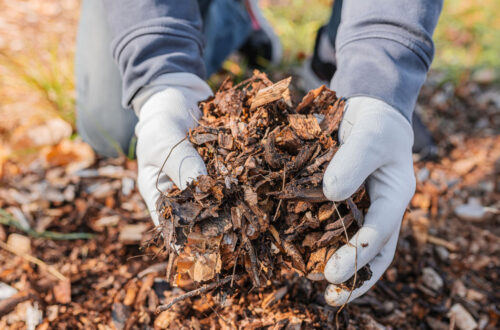
Step 2: Stabilize Soil Temperature with Mulch
Mulch is one of the most powerful heat stress tools.
Benefits:
- Reduces soil temperature spikes
- Slows evaporation
- Protects root systems
Best options:
- Straw
- Shredded bark
- Leaves
- Grass clippings (light layers)
Apply 2–3 inches around plants, keeping space around stems.
Step 3: Protect Plants from Peak Sun Exposure
Not all sunlight is helpful during heat waves.
Strategies:
- Use 30–50% shade cloth
- Position taller plants to shield smaller ones
- Utilize natural shade (fences, trees, structures)
Best timing:
- Focus protection during 11 AM–4 PM
Key Insight: Reducing peak exposure improves yield more than total sun exposure.
Step 4: Support Pollination During Heat Waves
Heat reduces pollination efficiency, especially in crops like tomatoes, peppers, and squash.
Solutions:
- Gently shake plants in the morning
- Encourage pollinator-friendly flowers nearby
- Avoid spraying pesticides during bloom periods
- Keep garden biodiversity high
Step 5: Adjust Fertilizing Practices
Too much fertilizer in heat can make stress worse.
What to avoid:
- Heavy nitrogen feeding
- Fertilizing during extreme heat spikes
What to do:
- Use slow-release or balanced fertilizers
- Apply compost instead of synthetic boosts
- Feed early in the day or before heat peaks
Step 6: Identify and Fix Water Stress Early
Heat stress often looks like watering problems—but isn’t always.
Signs of stress:
- Wilting despite wet soil
- Leaf curling or crisp edges
- Flower drop
- Stunted fruit growth
Fixes:
- Improve drainage if soil stays soggy
- Increase watering depth if soil is dry below surface
- Add organic matter to improve retention
Step 7: Choose Heat-Resilient Crops and Varieties
Some plants naturally handle heat better.
Heat-tolerant crops:
- Okra
- Sweet potatoes
- Peppers
- Eggplant
- Heat-resistant tomato varieties
More vulnerable crops:
- Lettuce
- Spinach
- Peas
- Broccoli
Strategy: Shift focus to summer-adapted crops during peak heat.
Step 8: Reduce Plant Stress Through Pruning Control
Pruning in heat can backfire if overdone.
Best practices:
- Remove only dead or diseased leaves
- Avoid heavy pruning during heat waves
- Improve airflow without overexposing plants
Step 9: Manage Container Plants Separately
Containers behave differently in heat.
Issues:
- Soil heats up faster
- Water evaporates quickly
- Nutrients leach faster
Solutions:
- Water more frequently (sometimes daily)
- Move pots to partial shade
- Use larger containers for stability
- Add mulch on top of soil
Step 10: Focus on Consistency, Not Correction
Once heat stress starts, constant drastic changes can make things worse.
Best approach:
- Maintain stable watering routines
- Avoid frequent system changes
- Observe plant response over several days
Key Insight: Stability helps plants recover faster than rapid adjustments.
Common Mistakes to Avoid
1. Overwatering to “fix” wilting
Can suffocate roots and worsen stress.
2. Fertilizing stressed plants heavily
Adds strain instead of recovery.
3. Ignoring soil temperature
Hot soil damages roots even when water is present.
4. Reacting too late to early warning signs
Heat stress escalates quickly.
Final Thoughts
Heat stress is one of the biggest challenges for summer gardening, but it doesn’t have to end productivity. The key is understanding that plants don’t just need water and sun—they need balance between temperature, moisture, and energy demand.
By adjusting watering depth, protecting soil, managing sunlight exposure, and reducing plant stress, your garden can continue producing even during the hottest parts of the season.
Because successful summer gardening isn’t about avoiding heat—
it’s about helping your plants perform through it.


You May Also Like
Seed Sorting Season: Planning Your Early Spring Garden Now

Best Boots for Stormwater, Drainage, and Culvert Maintenance