From Bloom to Harvest: Late Summer Tasks for a Healthy Garden
As summer begins its slow transition toward fall, your garden is at a critical crossroads. The blooms of early summer are fading, fruits and vegetables are ripening, and weeds and pests are hitting their peak activity. Late summer isn’t the time to sit back and relax—it’s your chance to set the stage for a vibrant harvest and prepare your beds for the coming season.
Here’s your ultimate late-summer gardening checklist to keep your garden thriving and ensure you head into autumn with strong, healthy plants.
🌿 1. Deadhead and Prune for Continued Growth
By late summer, many flowers are starting to fade and go to seed. To keep your garden looking fresh and encourage new blooms:
✔ Deadhead spent flowers like petunias, zinnias, and coneflowers to redirect the plant’s energy into producing more blooms instead of seed production.
✔ Lightly prune perennials that are getting leggy or overgrown, but avoid heavy cuts this late in the season as plants need time to recover before frost.
Pro Tip: If you want self-seeding flowers for next year, leave a few blooms on plants like cosmos or black-eyed Susans to go to seed naturally.
🍅 2. Harvest Regularly to Boost Production
Fruits and vegetables like tomatoes, peppers, cucumbers, and squash need consistent harvesting to stay productive.
✔ Pick every few days: Overripe produce signals the plant to slow down production.
✔ Check hidden spots: Squash and cucumbers love to hide under big leaves—don’t let them grow into baseball bats.
✔ Stagger your harvests: If you’re overwhelmed with ripe produce, consider canning, freezing, or donating excess to neighbors or food banks.
🪱 3. Stay Ahead of Pests and Diseases
Late summer heat and humidity create the perfect breeding ground for pests and fungi.
✔ Inspect daily: Check under leaves for aphids, caterpillars, and powdery mildew.
✔ Treat naturally when possible: Use insecticidal soap or neem oil for small infestations.
✔ Remove diseased foliage immediately to prevent the spread of blight and mildew.
Tip: Mulching around your plants helps suppress weeds and retains soil moisture, reducing plant stress that attracts pests.
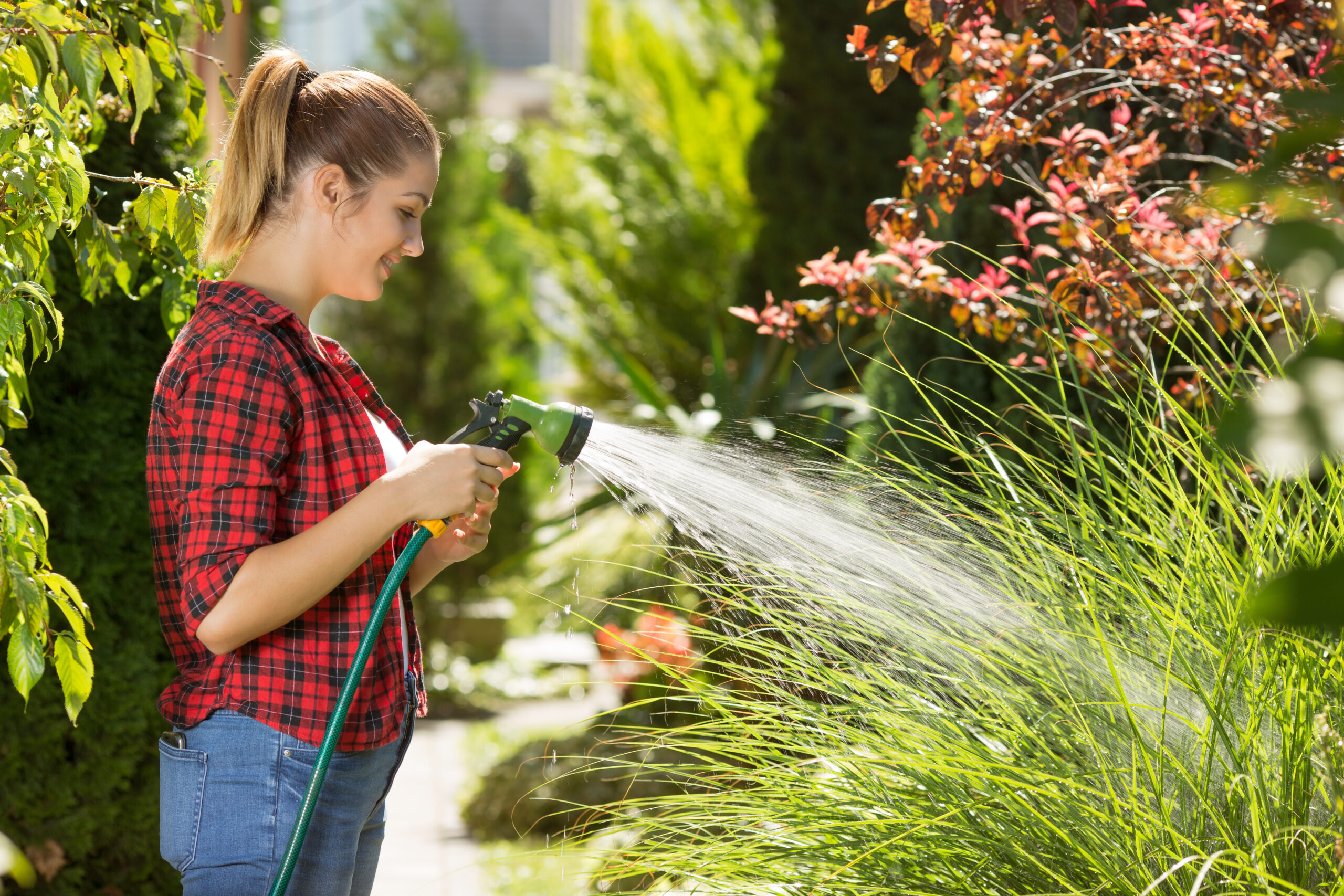
💧 4. Keep Watering Smartly
August heat can still be brutal, and consistent watering is key.
✔ Water deeply and less often: Aim for 1-2 inches per week, letting water soak into the roots rather than frequent shallow watering.
✔ Water early in the morning to minimize evaporation and fungal risk.
✔ Check containers daily: Potted plants dry out much faster than garden beds.
🌾 5. Prepare for Fall Planting
Believe it or not, late summer is the perfect time to get a jumpstart on fall crops.
✔ Plant cool-season veggies like kale, spinach, radishes, and carrots.
✔ Sow cover crops (like clover or rye) in empty beds to improve soil health and suppress weeds over winter.
✔ Divide overcrowded perennials and replant them in cooler evenings for less transplant shock.
🪴 6. Tend to Soil Health
Your garden beds have worked hard all summer—give them a boost.
✔ Top-dress with compost to replenish nutrients and keep plants thriving.
✔ Test soil pH to prepare for fall amendments if necessary.
✔ Loosen compacted soil in high-traffic areas without disturbing roots.
🏡 7. Refresh Your Garden’s Look
Late summer doesn’t have to mean a tired-looking garden.
✔ Add late-blooming flowers like asters, goldenrod, and sedum for color through fall.
✔ Tidy borders and pathways by trimming grass edges and pulling weeds.
✔ Add fresh mulch to revive garden beds and insulate soil before cooler nights arrive.
🍁 Why Late-Summer Care Pays Off
Taking the time to care for your garden in late summer not only prolongs its beauty and productivity but also sets you up for an easier transition into fall gardening. With a little effort now, you’ll enjoy lush beds, healthier soil, and a bountiful harvest.
Remember: A thriving garden in August leads to an abundant pantry and a landscape that carries beauty all the way into autumn.

