Fall Prep Starts Now: Essential Garden Tasks for a Healthy Harvest
As the summer heat begins to wane and the days start to shorten, savvy gardeners know that early fall is prime time to prepare for a successful harvest season. Whether you grow vegetables, fruits, or flowers, the work you put in now sets the stage for a healthy, productive garden well into autumn and beyond. Fall garden prep isn’t just about tidying up—it’s about smart maintenance, soil care, pest management, and planning ahead.
Here’s your comprehensive guide to the essential garden tasks you should tackle right now for a thriving fall harvest.
1. Clean Up and Remove Spent Plants
After a long growing season, it’s crucial to clear out any dead or diseased plants. Removing spent plants reduces the risk of pests and diseases overwintering in your garden beds. Pull out tomato vines, squash plants, beans, and any other crops that have finished producing.
- Tip: Don’t compost diseased plants; instead, bag and discard them to prevent spreading pathogens.
- Why it matters: A clean garden bed discourages overwintering pests and sets a fresh slate for fall planting or cover cropping.
2. Soil Testing and Amendment
Fall is an ideal time to test your soil’s nutrient levels and pH. Knowing your soil’s condition helps you make informed decisions about amendments and fertilization.
- How to test: Use a home soil test kit or send a sample to your local extension office.
- Common amendments: Add organic matter like compost or well-rotted manure to improve soil structure and fertility.
- Adjust pH: If your soil is too acidic or alkaline, lime or sulfur applications in fall can correct the balance before next spring.
3. Plant Cover Crops
Planting cover crops (also called “green manure”) is one of the best ways to protect and enrich your soil during the off-season.
- Popular choices: Clover, rye, winter peas, and hairy vetch are excellent cover crops that prevent erosion, suppress weeds, and add nitrogen.
- Benefits: They improve soil organic matter and create a more fertile, workable garden come spring.
4. Mulch for Moisture and Temperature Control
Applying a layer of mulch after cleaning your beds helps retain soil moisture, moderate temperature fluctuations, and prevent weed growth.
- Recommended mulches: Straw, shredded leaves, or wood chips work well for fall.
- Bonus: Mulch also protects beneficial soil microbes during colder months.
5. Plan Your Fall and Winter Crops
Cool-season crops like kale, spinach, carrots, and radishes thrive in fall’s cooler temps.
- Start seedlings indoors or buy transplants for a jumpstart.
- Succession planting: Stagger plantings every couple of weeks to extend your harvest.
- Don’t forget: Garlic and shallots are best planted in fall for next summer’s bounty.
6. Pest and Disease Management
Fall is a great time to tackle lingering pests and diseases.
- Inspect trees and shrubs for signs of infestation.
- Prune infected branches to reduce overwintering sites.
- Consider organic sprays like neem oil or insecticidal soap if pests persist.
7. Prepare Perennials and Bulbs
- Divide overcrowded perennials to encourage healthy growth.
- Plant spring-flowering bulbs like tulips and daffodils before the first hard freeze.
- Cut back dead foliage to tidy up beds and prevent disease.
8. Sharpen and Maintain Your Tools
Your garden tools work hard all season long. Sharpen blades, oil moving parts, and store tools in a dry place to ensure they’re ready for spring.
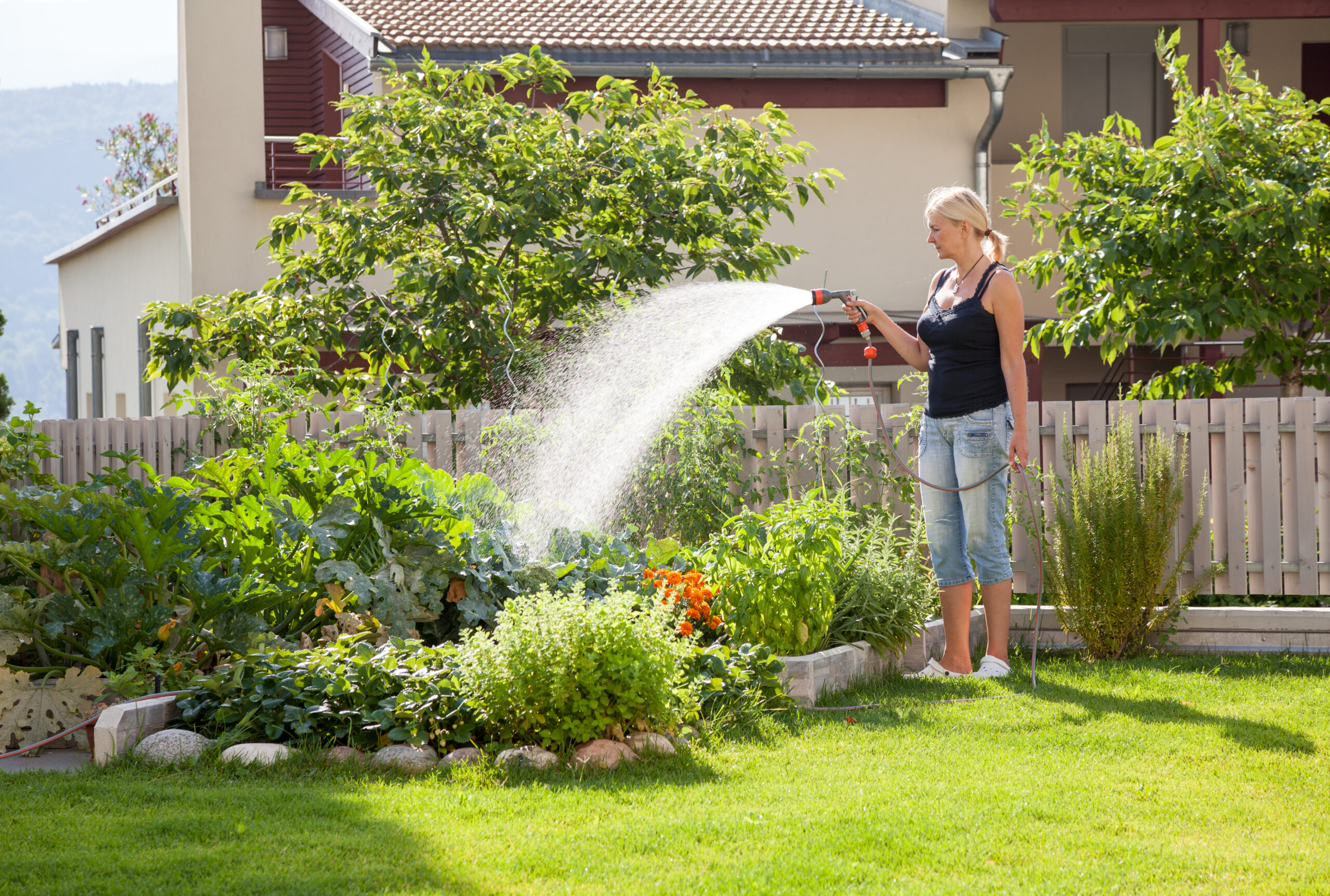
9. Watering Wisely
Even as temperatures drop, fall plants and cover crops need consistent moisture.
- Avoid overwatering, which can promote root rot.
- Water deeply to encourage strong root systems.
Final Thoughts
Fall garden preparation is the unsung hero of every successful harvest. By cleaning up your beds, enriching your soil, managing pests, and planning ahead, you create an environment where your plants can thrive through the cooler months and beyond.
Start these essential tasks now and watch your garden flourish into a healthy, bountiful harvest season. Happy gardening!

