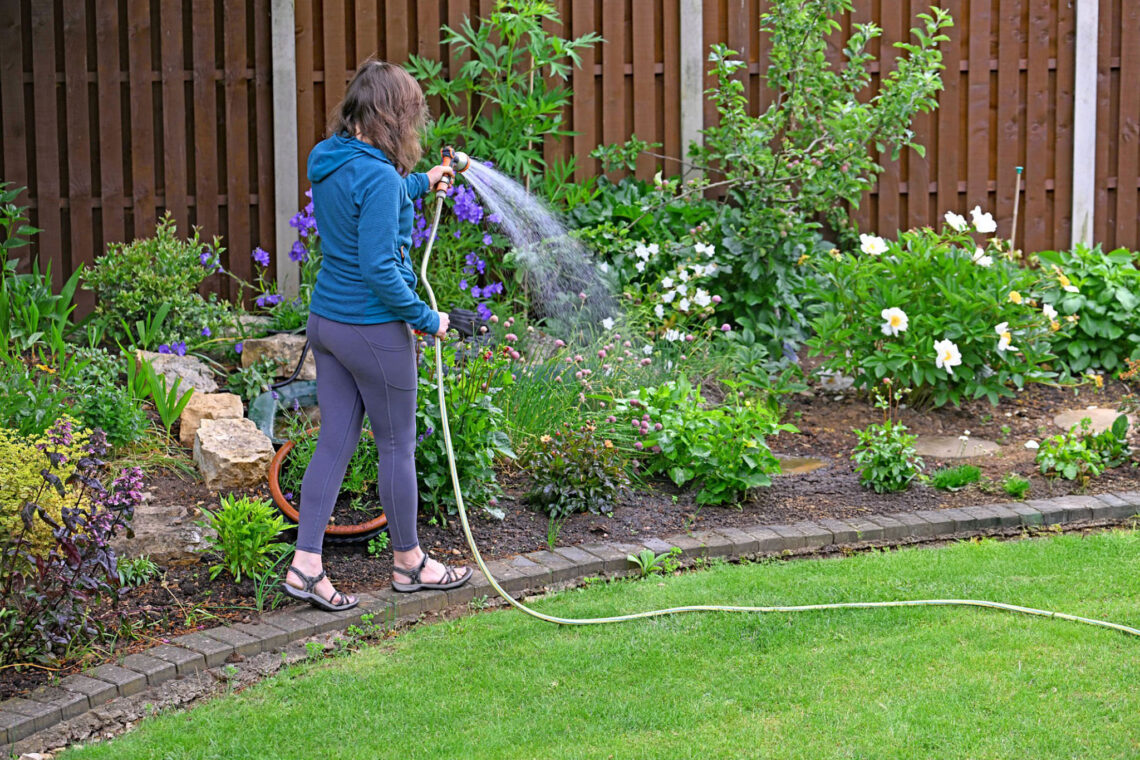
Watering and Mulching Strategies for Dry Late Summer Conditions
Late summer can be one of the most challenging times for gardeners and small-acreage landowners. The heat is relentless, rainfall can be unpredictable, and both vegetable gardens and ornamental landscapes start to show the stress of the season. Dry conditions not only slow plant growth but also make gardens more vulnerable to pests, disease, and nutrient deficiencies.
The key to thriving in these hot, dry weeks lies in two fundamentals: smart watering and effective mulching. When done correctly, these strategies conserve water, keep plants healthy, and prepare your garden for the upcoming fall season.
Here’s a guide to mastering watering and mulching during dry late summer conditions.
1. Understand Plant Water Needs in Late Summer
Not all plants need the same amount of water, and late summer conditions can stress certain species more than others.
- Shallow-Rooted Plants: Lettuce, radishes, and some flowers dry out quickly and require frequent attention.
- Deep-Rooted Vegetables: Tomatoes, peppers, and squash can tolerate longer intervals between watering but need thorough soakings.
- Perennials and Shrubs: Established plants often survive on less water but still benefit from deep, occasional watering during prolonged drought.
- Lawns: Cool-season grasses go dormant in extreme heat; watering deeply once a week is usually better than daily sprinkling.
Pro Tip: Prioritize water for food crops and high-value ornamentals during extended dry spells, allowing less critical areas to rest.
2. Master Deep and Efficient Watering Techniques
In late summer, water is a limited resource. The way you water matters as much as how often you do it.
- Water Deep, Not Shallow: Aim for 6–8 inches of soil penetration to encourage deep root growth.
- Morning Watering is Best: Early watering reduces evaporation and gives plants time to dry before evening, reducing disease risk.
- Use Soaker Hoses or Drip Irrigation: These methods deliver water directly to the roots with minimal waste.
- Avoid Frequent Light Sprinkling: It encourages shallow roots and leads to quicker drought stress.
Efficiency Tip: Place a rain gauge or small container near your garden to measure how much water is actually reaching the soil.
3. Incorporate Mulching to Lock in Moisture
Mulch is your best friend during late summer drought. It keeps soil temperatures stable, reduces evaporation, and suppresses weeds that compete for water.
Best Mulch Materials
- Organic Mulches: Straw, shredded leaves, grass clippings (untreated), wood chips, and compost are excellent moisture savers.
- Living Mulches: Low-growing cover crops like clover can protect soil while adding nutrients over time.
- Avoid Heavy Rock Mulches: While decorative, they can increase soil temperatures and dry out the root zone.
Application Tips
- Spread mulch 2–4 inches thick, keeping it 2–3 inches away from plant stems to prevent rot.
- Refresh mulch as it decomposes to maintain a protective layer.
- Use a light-colored mulch in sunny, open areas to reflect heat and keep roots cooler.
4. Combine Watering and Mulching for Maximum Effect
Water and mulch work hand in hand.
- Water First: Deeply water the soil before adding or refreshing mulch.
- Seal the Moisture: Apply mulch afterward to trap water in the soil.
- Check Moisture Under Mulch: Soil under mulch can remain damp longer, reducing the frequency of watering.
This combination minimizes water loss and provides a more consistent environment for roots.
5. Adjust Your Garden Maintenance for Drought Conditions
Late summer requires more than just watering and mulching; how you care for your plants also impacts water retention.
- Reduce Fertilizer Stress: Avoid heavy fertilizing in dry periods; it can force growth the roots can’t support.
- Prune Strategically: Remove dead or heavily damaged foliage to reduce transpiration.
- Weed Aggressively: Weeds compete for limited moisture and nutrients.
- Consider Shade Covers: Row covers or shade cloth can protect heat-sensitive crops during extreme heat.
6. Plan Ahead for Sustainable Water Use
Even if rain returns in fall, planning for future dry periods can make your garden more resilient.
- Install Rain Barrels or Cisterns: Capture roof runoff to supplement irrigation.
- Amend Soil with Organic Matter: Compost and aged manure improve water retention in sandy or depleted soils.
- Select Drought-Tolerant Varieties: Herbs like rosemary, thyme, and sage thrive with less water.
Long-term strategies help you rely less on municipal water and more on the natural water-holding capacity of your soil.
Final Thoughts
Dry late summer conditions don’t have to spell disaster for your garden. By mastering deep, efficient watering and pairing it with strategic mulching, you can conserve moisture, protect root systems, and set up your plants for a productive fall.
A well-watered, well-mulched garden not only survives the heat but often rebounds stronger when cooler, wetter weather arrives. Take the time now to implement these strategies, and your late summer garden will continue to thrive despite the dry conditions.

