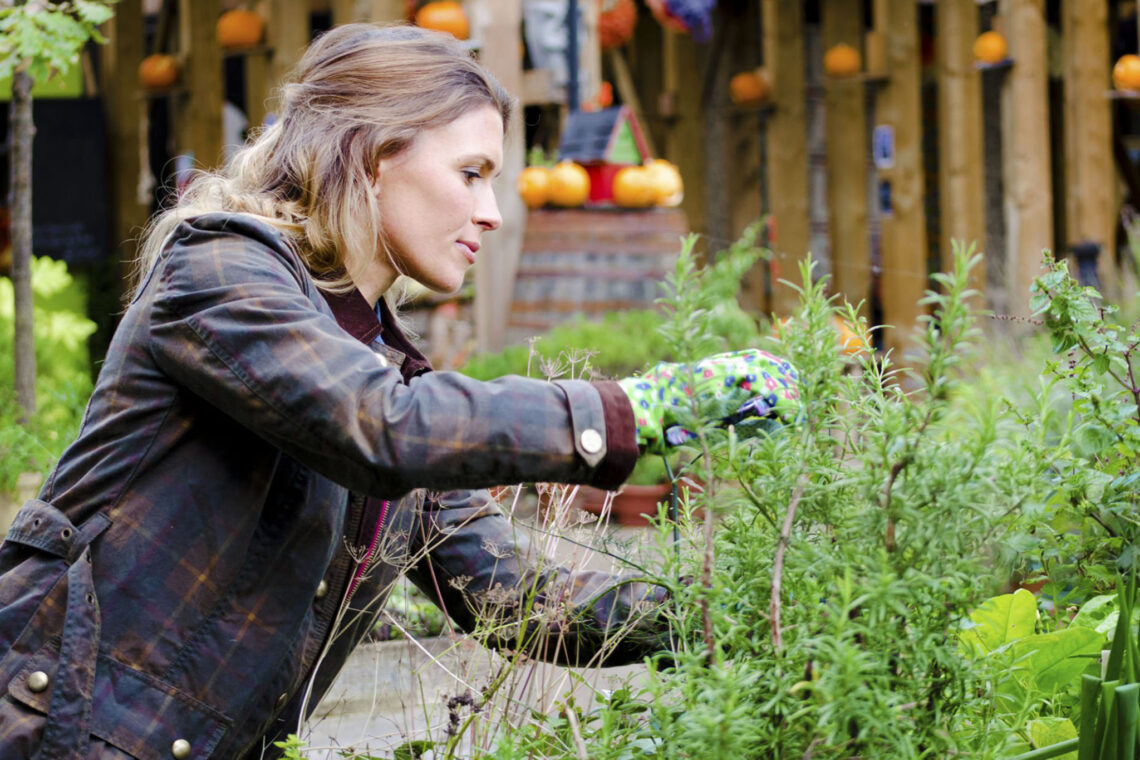
The Late-Summer Guide to Deadheading and Pruning Perennials
By late summer, perennial gardens often start to look a little tired. Blooms are fading, foliage is wilting, and some plants have started putting energy into seed production instead of fresh growth. But don’t hang up your gardening gloves just yet—this is the perfect time to give your perennials a strategic refresh.
Deadheading and pruning in late summer can promote a longer bloom season, improve plant health, and prepare your garden for a smoother transition into fall. Whether you’re maintaining ornamental beds or cottage-style borders, here’s your guide to knowing what, when, and how to cut back for maximum late-season beauty and next-year payoff.
Why Deadheading and Pruning Matter in Late Summer
Perennials are designed to come back year after year, but that doesn’t mean they thrive without a little maintenance. By late August, many perennials have bloomed their hearts out and are shifting into seed production. Left alone, this can result in leggier, less vigorous growth, and fewer blooms next season.
Late-summer pruning and deadheading can:
- Encourage more blooms on reblooming varieties
- Prevent unwanted self-seeding
- Improve air circulation to reduce fungal disease
- Keep your garden looking neat and tidy
- Redirect plant energy toward root and foliage development for a strong return next spring
Deadheading Basics: Snip to Stimulate
Deadheading is the process of removing spent flowers from a plant to encourage further blooming and prevent seed production. While it’s often associated with summer annuals, many perennials benefit just as much—especially in late summer when the plant might otherwise start shutting down.
How to Deadhead Properly
- Use clean, sharp pruners or scissors.
- Snip the flower stem just above the first set of healthy leaves or lateral buds.
- Don’t just remove petals—get the whole flower head and any developing seed pods.
Perennials That Benefit from Late-Summer Deadheading:
- Coreopsis – Keeps the golden blooms coming through early fall.
- Echinacea (Coneflower) – Deadhead early, but consider leaving later seed heads for birds.
- Shasta Daisy – Encourages a second flush of blooms and tidies up sprawling stems.
- Salvia – Cut flower spikes down to the base of the stem to trigger regrowth.
- Phlox – Deadheading prevents self-seeding and can prolong color.
Pruning vs. Deadheading: Know the Difference
While deadheading is focused on flowers, pruning deals with the structure and form of the plant—cutting back stems or foliage to manage size, shape, or health.
Late-Summer Pruning Goals:
- Rejuvenate tired plants
- Remove diseased or damaged foliage
- Prevent overcrowding and improve airflow
- Shape plants before they go dormant
Avoid major pruning of woody perennials or shrubs this late in the season unless you’re removing dead or diseased growth—pruning too aggressively in late summer can encourage tender new growth that won’t harden off before frost.
Perennials That Appreciate Late-Summer Pruning:
- Catmint (Nepeta) – Cut back by a third to encourage new growth and maybe a fall rebloom.
- Yarrow (Achillea) – Shear down to the basal foliage to keep it tidy.
- Veronica – Trim down after blooming to refresh foliage.
- Bee Balm (Monarda) – Deadhead blooms and remove any mildewed leaves to reduce disease spread.
- Penstemon – Light pruning and deadheading can keep plants blooming into fall.
What Not to Prune Now
Some perennials are best left alone until after frost or even early spring. Cutting them back now can reduce winter interest or remove essential protective structure.
Leave these for later:
- Russian Sage (Perovskia) – Leave standing until spring for winter structure and root protection.
- Sedum (especially Autumn Joy) – Enjoy its fall color; prune in early spring.
- Ornamental Grasses – Adds texture and habitat through winter; cut back in late winter.
- Hellebores – Only remove tattered leaves, not healthy ones.
Tips for Success
- Sanitize your tools between plants to avoid spreading disease.
- Avoid cutting into woody stems unless necessary—stick to soft, green growth.
- Water after pruning to reduce stress and encourage recovery.
- Don’t overdo it—some plants can be shocked by excessive late-summer pruning.
Final Thoughts
The dog days of summer don’t have to mean garden fatigue. With a bit of careful deadheading and pruning, your perennials can stay productive, healthy, and beautiful well into fall—and even set the stage for stronger growth next spring.
So grab your pruners, head out into the garden, and give your perennials the late-season boost they deserve. You’ll be glad you did when everything starts bursting back to life after the first crisp days of autumn.

